Old Testament
Deuteronomy 23:8
Read the Bible in clear, modern English—easy to understand, faithful to the meaning, and written for everyday readers.
The grandchildren of Edomites and Egyptians — the 3rd generation born among you — may enter the assembly of the LORD.
Compare translations
The children that are begotten of them shall enter into the congregation of the LORD in their third generation.
What Deuteronomy 23:8 means
Plain-English insight for readers
In this passage, we learn that the descendants of Edomites and Egyptians, specifically those born in the third generation, are welcomed into the community of believers. This reflects a shift from previous restrictions, emphasizing inclusion and acceptance. It shows that over time, individuals can be embraced as part of the faith community, regardless of their ancestry. The focus is on the importance of relationships and the potential for growth and change. By allowing these descendants to join, the text highlights the value of unity and the breaking down of barriers. It encourages us to look beyond our differences and to welcome others into our lives and communities. This principle of inclusion is vital for fostering a sense of belonging and love among people. It reminds us that everyone has the opportunity to be part of something greater, regardless of their background or past. Ultimately, this passage invites us to reflect on how we can be more welcoming and accepting in our own lives.
How to apply Deuteronomy 23:8 to your life
Consider how you can welcome others into your life, especially those who may feel excluded. Look for opportunities to build relationships with people from different backgrounds. Embrace the idea that everyone has something valuable to contribute, and foster a spirit of acceptance in your community. Your actions can create a more inclusive environment for all. Remember, everyone deserves a chance to belong and thrive together in unity.
Curated for this public verse page. Deuteronomy Summary
Explore more of the Bible
Learn the Bible through its people and places
Get to know the people in Scripture through illustrated stories, and explore the places where they lived and traveled.

Illustrated scene from Esther's story: Esther Becomes Queen (Esther 2:1–18)
Meet the people of the Bible
Follow their lives in order, with illustrated scenes and Bible passages that tell their stories.
 Esther
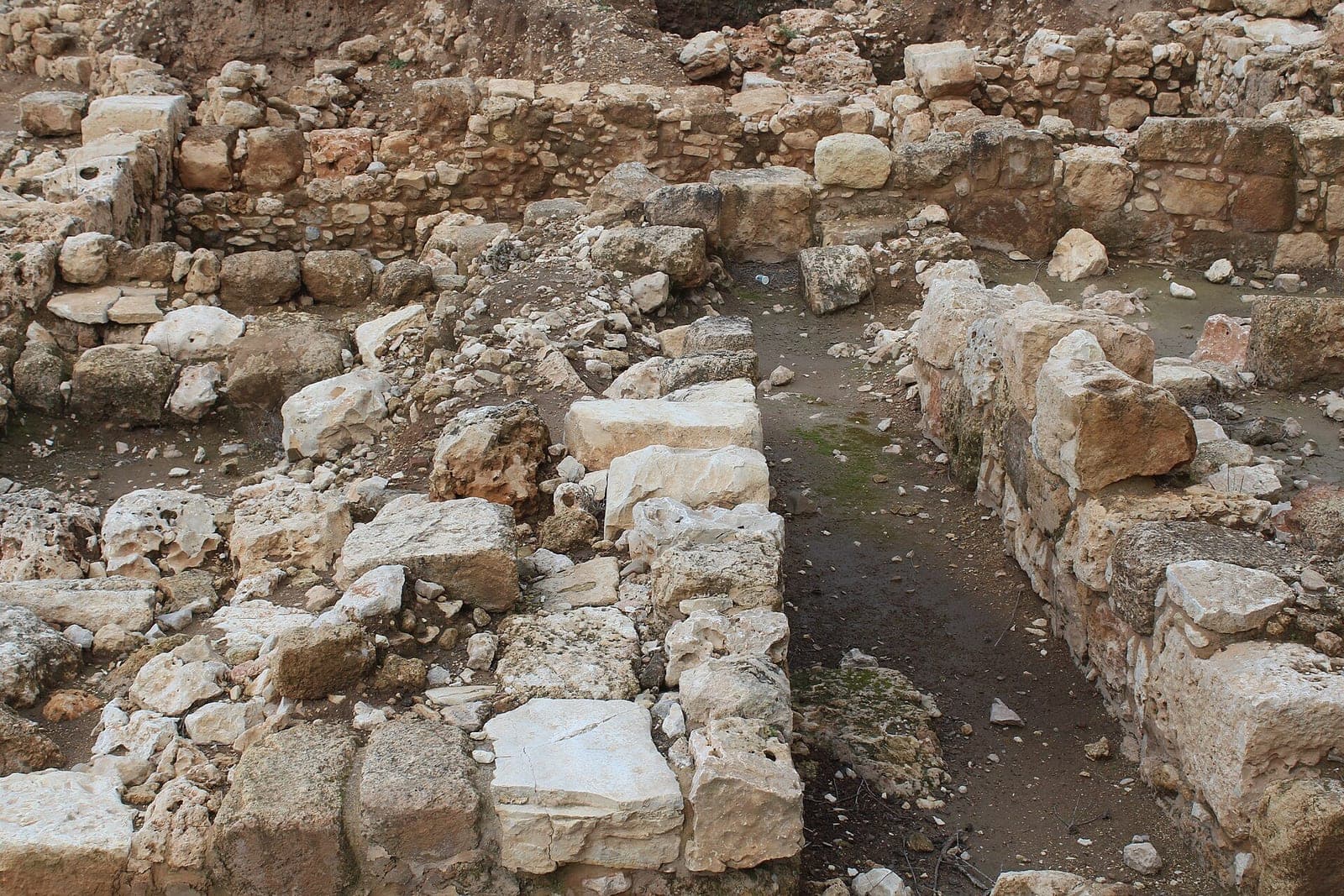
Photo: Deror Avi, via Wikimedia Commons. License: CC BY-SA 4.0. Source. Location: Tel Shiloh archaeological site, West Bank. Resized for the web.
Explore the places of the Bible
See where biblical events happened, why each place matters, and what archaeology helps us understand.
Shiloh
Where Israel set up the tabernacle, and where God called the boy Samuel.
Get full access with one subscription
Explore the people and places of the Bible. Read summaries of every book, with images and clear explanations covering every chapter. Access all these features and our Bible study tools with one subscription.
See PlansAsk AI about Deuteronomy 23:8
Ask a question about this verse and get a clear answer, with Bible references you can read for yourself.
Every Bible book, explained chapter by chapter
Explore summaries of every book of the Bible, with images and easy-to-understand explanations covering every chapter.
Keep studying Deuteronomy 23:8
Related Bible verses
Related topics
At a Glance — the Book of Deuteronomy
- Author
- Traditionally attributed to Moses
- Written
- Around 1400 BC
- Genre
- Law (Pentateuch)
- Original Audience
- The Israelites about to enter the Promised Land
Frequently Asked Questions
Quick, clear answers about this verse
What does Deuteronomy 23:8 teach about inclusion?
Deuteronomy 23:8 emphasizes that descendants of Edomites and Egyptians, specifically those born in the third generation, are welcomed into the assembly of the LORD. This signifies a shift towards greater inclusion within the faith community, highlighting the importance of relationships and the potential for acceptance regardless of one's ancestry.
Why are only third-generation descendants mentioned?
The mention of third-generation descendants in Deuteronomy 23:8 indicates a process of integration and acceptance over time. It suggests that as individuals and families establish roots within the community, they can be embraced fully, reflecting growth and change in attitudes towards those from different backgrounds.
How can we apply the message of this verse today?
Today, we can apply the message of Deuteronomy 23:8 by actively welcoming individuals from diverse backgrounds into our communities. This involves building relationships with those who may feel excluded and fostering an environment of acceptance and belonging, reminding ourselves that everyone has something valuable to contribute.
What is the significance of community in this verse?
The significance of community in Deuteronomy 23:8 lies in its call for unity and acceptance. By allowing the descendants of Edomites and Egyptians to join the assembly, the verse underscores the idea that a strong community is built on inclusivity, where differences are embraced and everyone has the opportunity to belong.
Daily Verse — straight to your inbox
A verse and a 2-sentence plain-English explanation, every morning. Free. Unsubscribe anytime.