Old Testament
Deuteronomy 28:50
Read the Bible in clear, modern English—easy to understand, faithful to the meaning, and written for everyday readers.
They'll be a fierce-looking people who show no respect for the elderly and no mercy to the young.
Compare translations
A nation of fierce countenance, which shall not regard the person of the old, nor shew favour to the young:
What Deuteronomy 28:50 means
Plain-English insight for readers
This verse describes a group of people who are intimidating and lack compassion. They do not show respect for older individuals, who often deserve honor and care due to their life experiences. Similarly, they do not extend kindness to the young, who are vulnerable and in need of guidance. This lack of respect and mercy highlights a society that has lost its moral compass. When a community disregards the elderly and the youth, it signals a breakdown in values and relationships. The absence of compassion can lead to a harsh environment where fear and aggression prevail. This verse serves as a warning about the consequences of neglecting the vulnerable members of society. It challenges us to reflect on how we treat those who are weaker or in need of support, urging us to cultivate a culture of respect and kindness for all ages. By doing so, we can foster a more compassionate and understanding community that values every individual, regardless of their age or status in life.
How to apply Deuteronomy 28:50 to your life
Consider how you treat the elderly and young people in your life. Make an effort to show them respect and kindness. Small acts of compassion can make a significant difference in their lives. By valuing everyone, we contribute to a more caring society. Let's be the change we want to see in our communities, promoting respect for all ages.
Curated for this public verse page. Deuteronomy Summary
Explore more of the Bible
Learn the Bible through its people and places
Get to know the people in Scripture through illustrated stories, and explore the places where they lived and traveled.

Illustrated scene from Moses's story: Israel Enslaved in Egypt (Exodus 1:8–22)
Meet the people of the Bible
Follow their lives in order, with illustrated scenes and Bible passages that tell their stories.
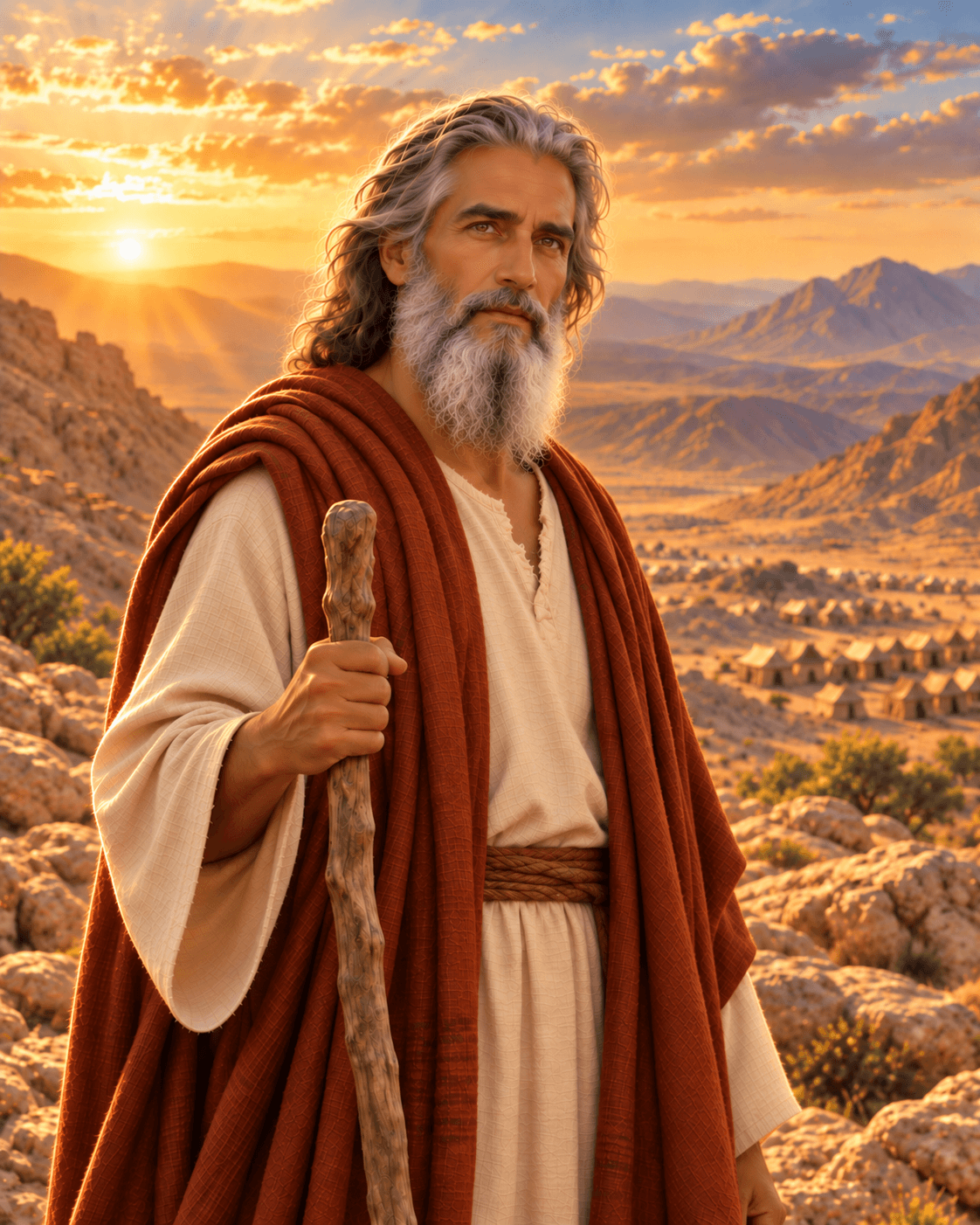 Moses
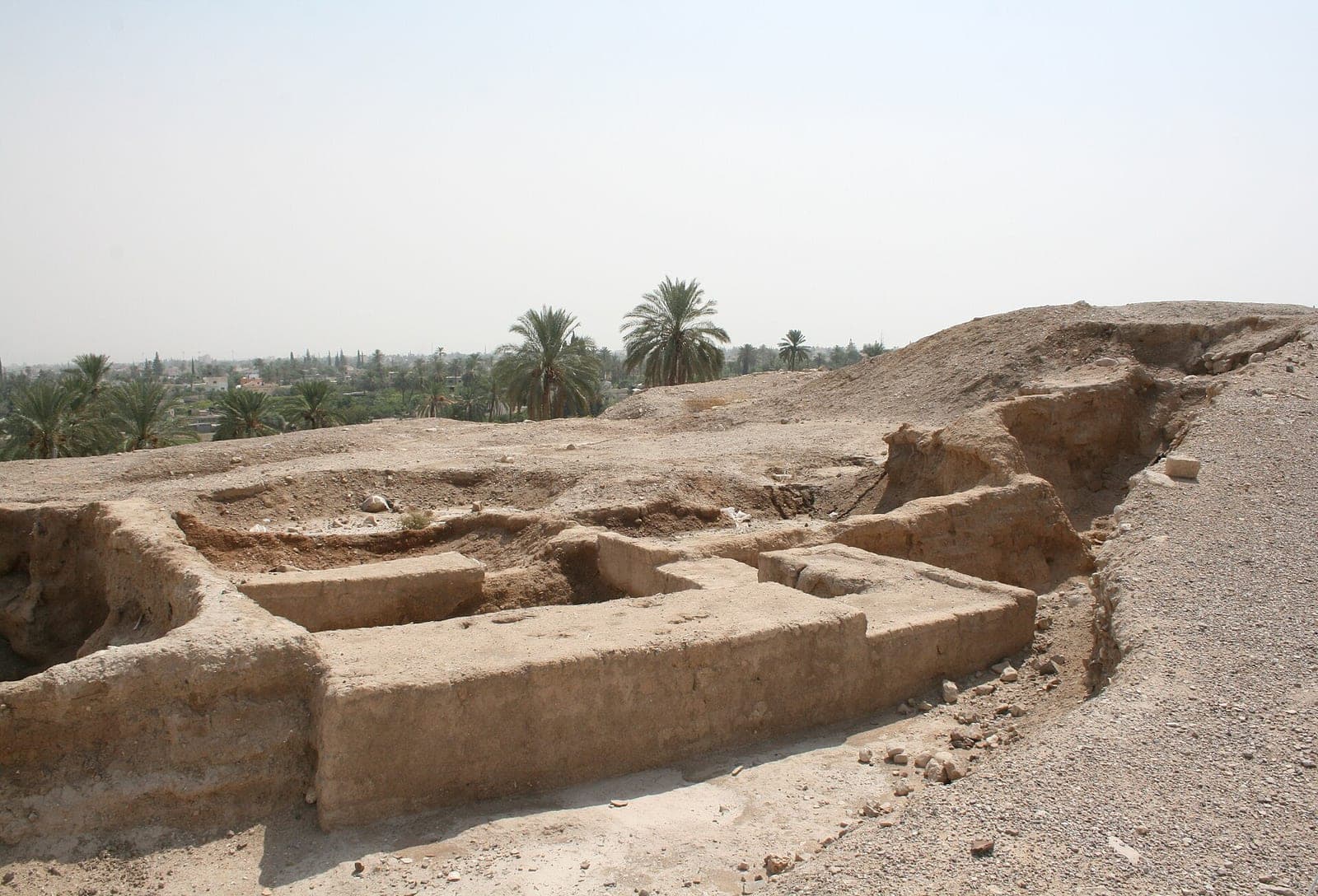
Photo: Diego Delso, via Wikimedia Commons. License: CC BY-SA 3.0. Source. Location: Tell es-Sultan, Jericho, West Bank. Resized for the web.
Explore the places of the Bible
See where biblical events happened, why each place matters, and what archaeology helps us understand.
Jericho
The city of palm trees, whose walls fell in Joshua's day.
Get full access with one subscription
Explore the people and places of the Bible. Read summaries of every book, with images and clear explanations covering every chapter. Access all these features and our Bible study tools with one subscription.
See PlansAsk AI about Deuteronomy 28:50
Ask a question about this verse and get a clear answer, with Bible references you can read for yourself.
Every Bible book, explained chapter by chapter
Explore summaries of every book of the Bible, with images and easy-to-understand explanations covering every chapter.
Keep studying Deuteronomy 28:50
Related Bible verses
Key themes
Related topics
At a Glance — the Book of Deuteronomy
- Author
- Traditionally attributed to Moses
- Written
- Around 1400 BC
- Genre
- Law (Pentateuch)
- Original Audience
- The Israelites about to enter the Promised Land
Frequently Asked Questions
Quick, clear answers about this verse
What does Deuteronomy 28:50 mean?
Deuteronomy 28:50 describes a nation characterized by a fierce demeanor, lacking respect for the elderly and compassion for the young. It highlights the moral decline of a society that neglects its vulnerable members.
What is the meaning of 'fierce countenance' in Deuteronomy 28:50?
'Fierce countenance' refers to an intimidating and aggressive appearance. In this context, it indicates a people who are threatening and unyielding, showing no kindness or mercy.
How does Deuteronomy 28:50 relate to community values?
Deuteronomy 28:50 illustrates the consequences of a community that disregards its vulnerable members. It emphasizes the need for compassion and respect as essential values for a healthy society.
What lessons can we learn from Deuteronomy 28:50?
From Deuteronomy 28:50, we learn the importance of treating the elderly and young with respect and kindness. It encourages us to reflect on our actions and promote a culture of care within our communities.
Daily Verse — straight to your inbox
A verse and a 2-sentence plain-English explanation, every morning. Free. Unsubscribe anytime.