Old Testament
Deuteronomy 29:22
Read the Bible in clear, modern English—easy to understand, faithful to the meaning, and written for everyday readers.
Future generations — your own descendants and foreigners who come from distant lands — will see the devastation of the land and the diseases the LORD has brought upon it, and they will ask,
Compare translations
So that the generation to come of your children that shall rise up after you, and the stranger that shall come from a far land, shall say, when they see the plagues of that land, and the sicknesses which the LORD hath laid upon it;
What Deuteronomy 29:22 means
Plain-English insight for readers
In this verse, we see a warning about the future. It tells us that future generations, including both your children and outsiders, will witness the destruction of the land and the suffering caused by diseases. They will be curious about why this has happened. This moment serves as a reminder of the consequences of actions taken by previous generations. The devastation is not just physical; it reflects a deeper spiritual reality. The land's suffering is a result of turning away from what is good and just. When people see this, they will ask questions, seeking to understand the reasons behind such calamities. This verse emphasizes the importance of learning from history and recognizing the impact of choices made today on tomorrow's world. It invites us to reflect on our actions and their long-term effects, urging us to consider how we can create a better future for those who come after us. Understanding this can inspire us to make wiser decisions now, ensuring a healthier and more hopeful legacy.
How to apply Deuteronomy 29:22 to your life
Consider how your choices today affect those who will come after you. Reflect on the legacy you want to leave behind. Engage in conversations about the importance of making wise decisions that promote well-being for future generations. Your actions can shape a better world for others to inherit. Take responsibility for your impact on the environment and society now!
Curated for this public verse page. Deuteronomy Summary
Explore more of the Bible
Learn the Bible through its people and places
Get to know the people in Scripture through illustrated stories, and explore the places where they lived and traveled.

Illustrated scene from David's story: Samuel Anoints David (1 Samuel 16:1–13)
Meet the people of the Bible
Follow their lives in order, with illustrated scenes and Bible passages that tell their stories.
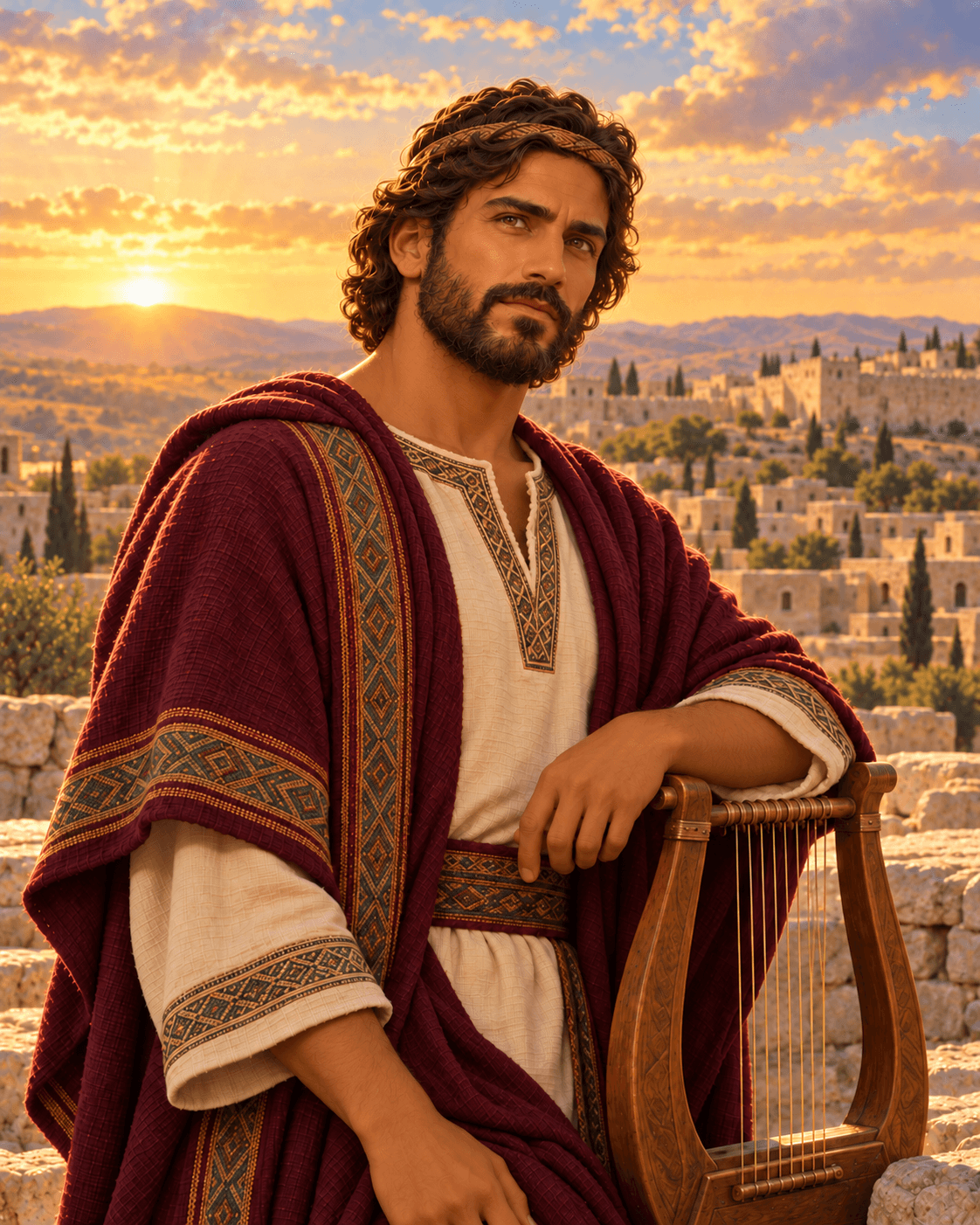 David
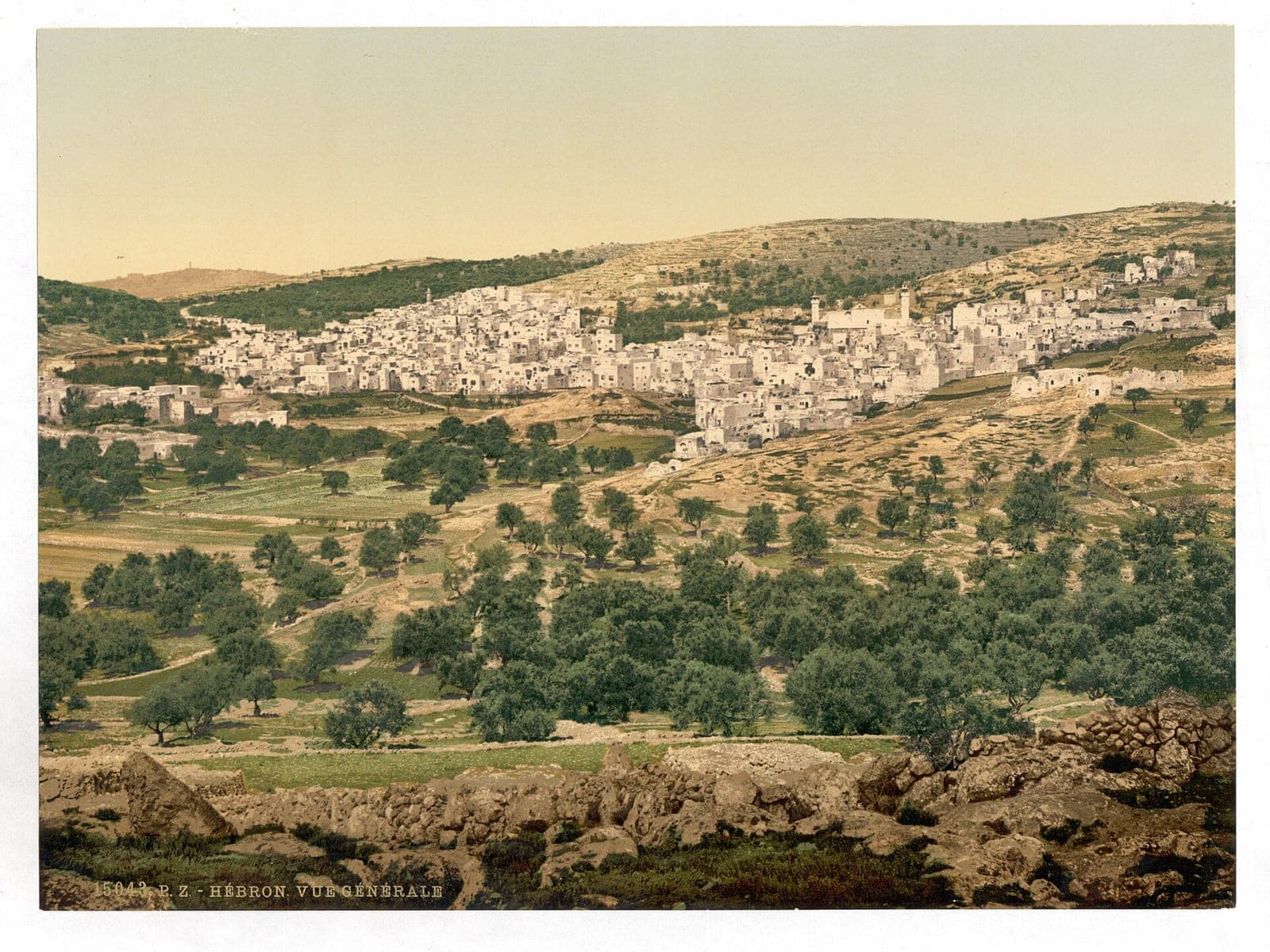
Photo: Photochrom print, Library of Congress Prints and Photographs Division (LCCN 2002724987). License: Public domain in the United States; Library of Congress states no known restrictions on publication. Source. Location: Hebron, West Bank; print preserved by the Library of Congress. Resized for the web.
Explore the places of the Bible
See where biblical events happened, why each place matters, and what archaeology helps us understand.
Hebron
Where Abraham lived and buried Sarah, and where David was first made king.
Get full access with one subscription
Explore the people and places of the Bible. Read summaries of every book, with images and clear explanations covering every chapter. Access all these features and our Bible study tools with one subscription.
See PlansAsk AI about Deuteronomy 29:22
Ask a question about this verse and get a clear answer, with Bible references you can read for yourself.
Every Bible book, explained chapter by chapter
Explore summaries of every book of the Bible, with images and easy-to-understand explanations covering every chapter.
Keep studying Deuteronomy 29:22
Related Bible verses
Key themes
Related topics
At a Glance — the Book of Deuteronomy
- Author
- Traditionally attributed to Moses
- Written
- Around 1400 BC
- Genre
- Law (Pentateuch)
- Original Audience
- The Israelites about to enter the Promised Land
Frequently Asked Questions
Quick, clear answers about this verse
What does Deuteronomy 29:22 teach about future generations?
Deuteronomy 29:22 highlights that future generations, including both descendants and outsiders, will witness the consequences of the actions of those before them. They will see the devastation and suffering in the land and will be prompted to ask questions about why such calamities have occurred. This verse serves as a reminder of the importance of our choices today and how they can impact the lives of those who come after us.
How can we apply the lessons from Deuteronomy 29:22 in our lives?
To apply the lessons from Deuteronomy 29:22, reflect on the long-term effects of your decisions. Consider how your actions today can influence the environment, society, and the well-being of future generations. Engage in discussions about responsible living and make choices that promote sustainability and justice. By being mindful of your legacy, you can contribute to a better future for those who will inherit the world after you.
What does the verse say about the consequences of actions?
The verse emphasizes that the actions of previous generations have tangible consequences, leading to devastation and suffering. It suggests that turning away from good and just practices can result in dire outcomes, not just for those who make the choices but also for future generations. This serves as a cautionary reminder to consider the moral and ethical implications of our actions.
Why do future generations ask about the suffering mentioned in Deuteronomy 29:22?
Future generations ask about the suffering because they witness the devastation and want to understand the reasons behind it. This curiosity reflects a natural human desire to learn from history and comprehend the causes of calamities. The verse encourages reflection on the past and highlights the importance of understanding the consequences of actions taken by those before us.
Daily Verse — straight to your inbox
A verse and a 2-sentence plain-English explanation, every morning. Free. Unsubscribe anytime.