Old Testament
Deuteronomy 29:6
Read the Bible in clear, modern English—easy to understand, faithful to the meaning, and written for everyday readers.
You didn't eat bread or drink wine or any other strong drink — so that you would know that I am the LORD your God.
Compare translations
Ye have not eaten bread, neither have ye drunk wine or strong drink: that ye might know that I am the LORD your God.
What Deuteronomy 29:6 means
Plain-English insight for readers
In this verse, God reminds the people of Israel about their time in the wilderness. They did not eat bread or drink wine, which were common comforts. This experience was intentional, designed to teach them a vital lesson: to recognize and understand that He is their God. By abstaining from these things, they were to focus on their relationship with Him. It was a time of dependence on God, showing that true sustenance comes from Him alone. This period was not just about physical survival but also about spiritual growth. God wanted them to see that their identity and strength were rooted in Him, not in worldly comforts. This message is timeless, encouraging us to seek God above all else, especially in challenging times. It reminds us that sometimes, we need to step back from our usual comforts to truly understand our reliance on God and His provision in our lives. This understanding deepens our faith and connection with Him, making our relationship more personal and meaningful.
How to apply Deuteronomy 29:6 to your life
Consider times when you rely too much on comforts or distractions. Take a break from these things to focus on your relationship with God. Use this time to pray, reflect, and deepen your understanding of His presence in your life. This can strengthen your faith and connection with Him significantly. Trust in His provision during these moments of withdrawal from worldly comforts.
Curated for this public verse page. Deuteronomy Summary
Explore more of the Bible
Learn the Bible through its people and places
Get to know the people in Scripture through illustrated stories, and explore the places where they lived and traveled.

Illustrated scene from David's story: Samuel Anoints David (1 Samuel 16:1–13)
Meet the people of the Bible
Follow their lives in order, with illustrated scenes and Bible passages that tell their stories.
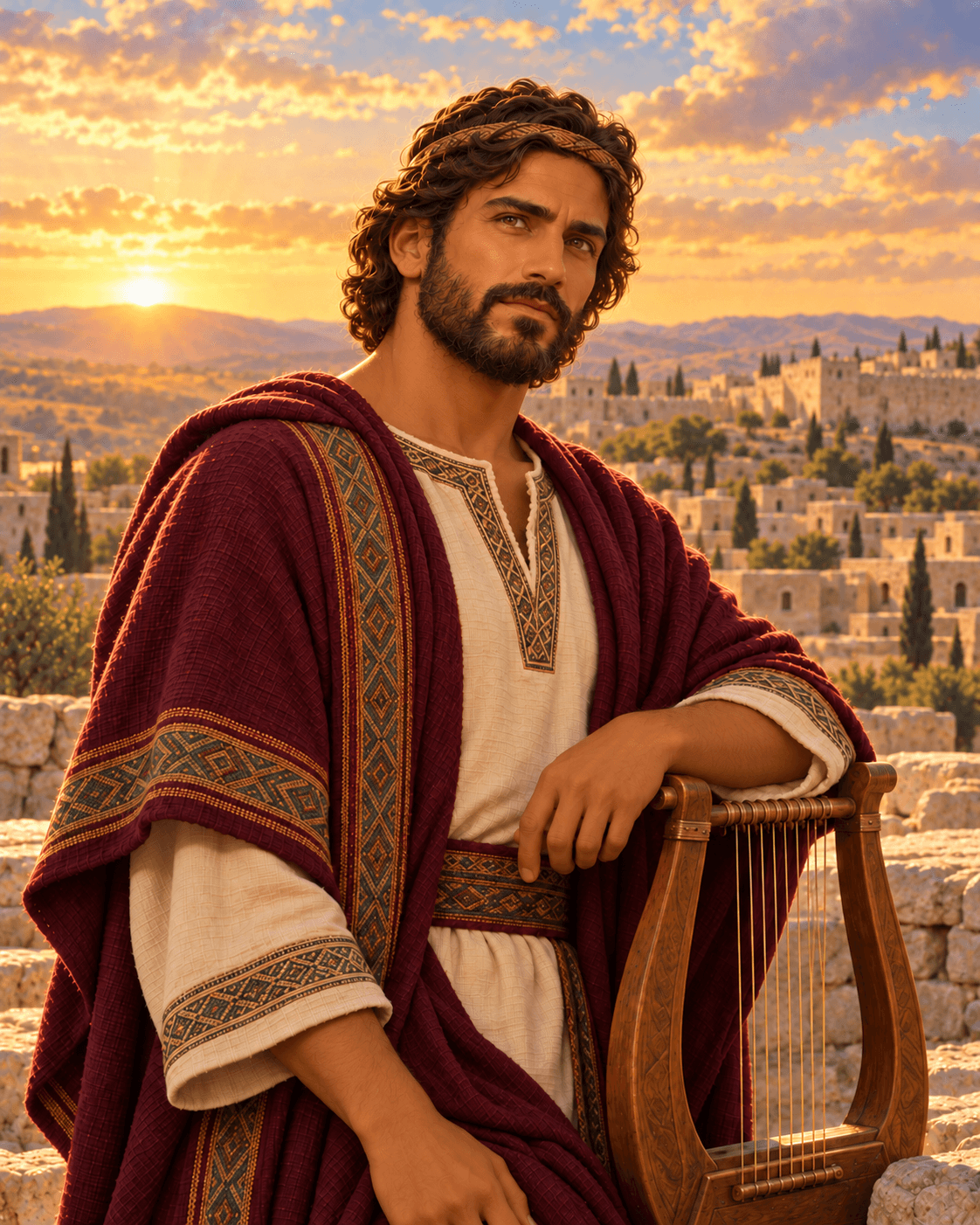 David
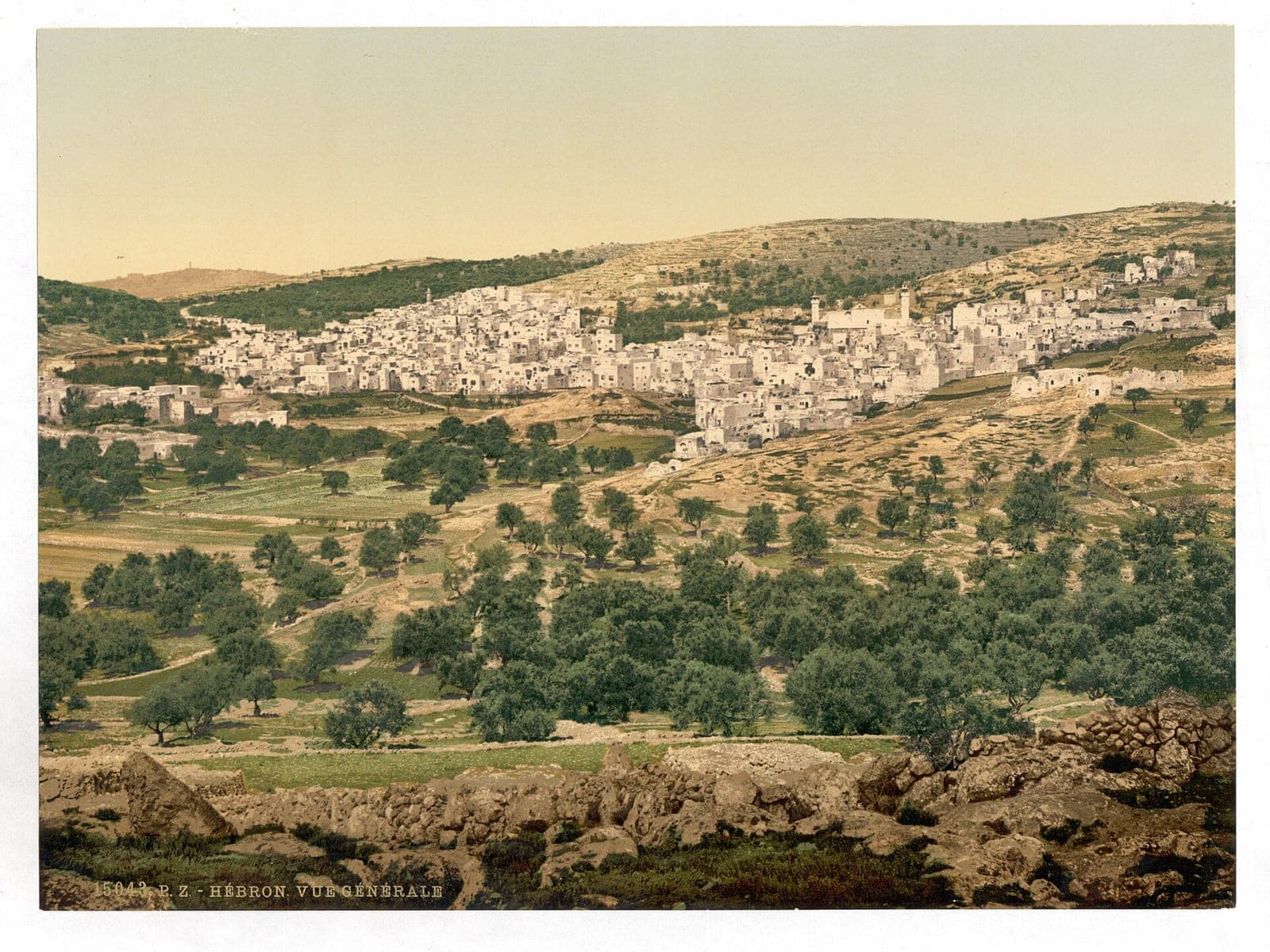
Photo: Photochrom print, Library of Congress Prints and Photographs Division (LCCN 2002724987). License: Public domain in the United States; Library of Congress states no known restrictions on publication. Source. Location: Hebron, West Bank; print preserved by the Library of Congress. Resized for the web.
Explore the places of the Bible
See where biblical events happened, why each place matters, and what archaeology helps us understand.
Hebron
Where Abraham lived and buried Sarah, and where David was first made king.
Get full access with one subscription
Explore the people and places of the Bible. Read summaries of every book, with images and clear explanations covering every chapter. Access all these features and our Bible study tools with one subscription.
See PlansAsk AI about Deuteronomy 29:6
Ask a question about this verse and get a clear answer, with Bible references you can read for yourself.
Every Bible book, explained chapter by chapter
Explore summaries of every book of the Bible, with images and easy-to-understand explanations covering every chapter.
Keep studying Deuteronomy 29:6
Related Bible verses
Key themes
Related topics
At a Glance — the Book of Deuteronomy
- Author
- Traditionally attributed to Moses
- Written
- Around 1400 BC
- Genre
- Law (Pentateuch)
- Original Audience
- The Israelites about to enter the Promised Land
Frequently Asked Questions
Quick, clear answers about this verse
What does Deuteronomy 29:6 mean?
Deuteronomy 29:6 emphasizes that during their time in the wilderness, the Israelites abstained from bread and wine to learn that God is their true sustenance. This experience was meant to strengthen their relationship with Him and highlight their dependence on His provision.
What is the significance of not eating bread or drinking wine in Deuteronomy 29:6?
The abstention from bread and wine in Deuteronomy 29:6 signifies a period of reliance on God rather than worldly comforts. It illustrates the importance of spiritual growth and recognizing that true strength comes from a relationship with God.
How can I apply Deuteronomy 29:6 to my life?
To apply Deuteronomy 29:6, consider stepping back from your usual comforts and distractions to focus on your relationship with God. Use this time for prayer and reflection to deepen your understanding of His presence and provision in your life.
What lessons can we learn from Deuteronomy 29:6?
Deuteronomy 29:6 teaches us the importance of dependence on God and the value of spiritual growth over material comforts. It encourages us to recognize that our true identity and strength come from our relationship with Him.
Daily Verse — straight to your inbox
A verse and a 2-sentence plain-English explanation, every morning. Free. Unsubscribe anytime.