Old Testament
Deuteronomy 3:13
Read the Bible in clear, modern English—easy to understand, faithful to the meaning, and written for everyday readers.
The rest of Gilead and all of Bashan — Og's former kingdom — I gave to the half-tribe of Manasseh. This included the entire region of Argob. (All of Bashan used to be called the land of the giants.)
Compare translations
And the rest of Gilead, and all Bashan, being the kingdom of Og, gave I unto the half tribe of Manasseh; all the region of Argob, with all Bashan, which was called the land of giants.
What Deuteronomy 3:13 means
Plain-English insight for readers
In this passage, we learn about the land that was given to the half-tribe of Manasseh. This land includes Gilead and Bashan, which was once ruled by a powerful king named Og. The region of Argob, known for its giants, was part of this territory. The mention of giants highlights the challenges the Israelites faced in claiming this land. It serves as a reminder of the strength and courage needed to overcome obstacles. The land was significant not just for its size but also for its history and the battles that were fought there. By giving this land to Manasseh, it shows how God provided for His people, ensuring they had a place to settle and thrive. This act of provision reflects a deeper promise of support and guidance in their journey. The legacy of this land continues to remind us of the importance of faith and perseverance in the face of daunting challenges. It encourages us to trust in the support we receive as we navigate our own paths in life, no matter how difficult they may seem.
How to apply Deuteronomy 3:13 to your life
This passage encourages us to recognize the challenges we face in our lives. Just as the Israelites were given land despite giants, we too can find strength in our faith. Trust that you are supported in your journey, and remember that obstacles can lead to growth and new opportunities. Embrace the challenges ahead with courage and determination, knowing you are not alone in your struggles. Seek support from your community and faith.
Curated for this public verse page. Deuteronomy Summary
Explore more of the Bible
Learn the Bible through its people and places
Get to know the people in Scripture through illustrated stories, and explore the places where they lived and traveled.

Illustrated scene from Esther's story: Esther Becomes Queen (Esther 2:1–18)
Meet the people of the Bible
Follow their lives in order, with illustrated scenes and Bible passages that tell their stories.
 Esther
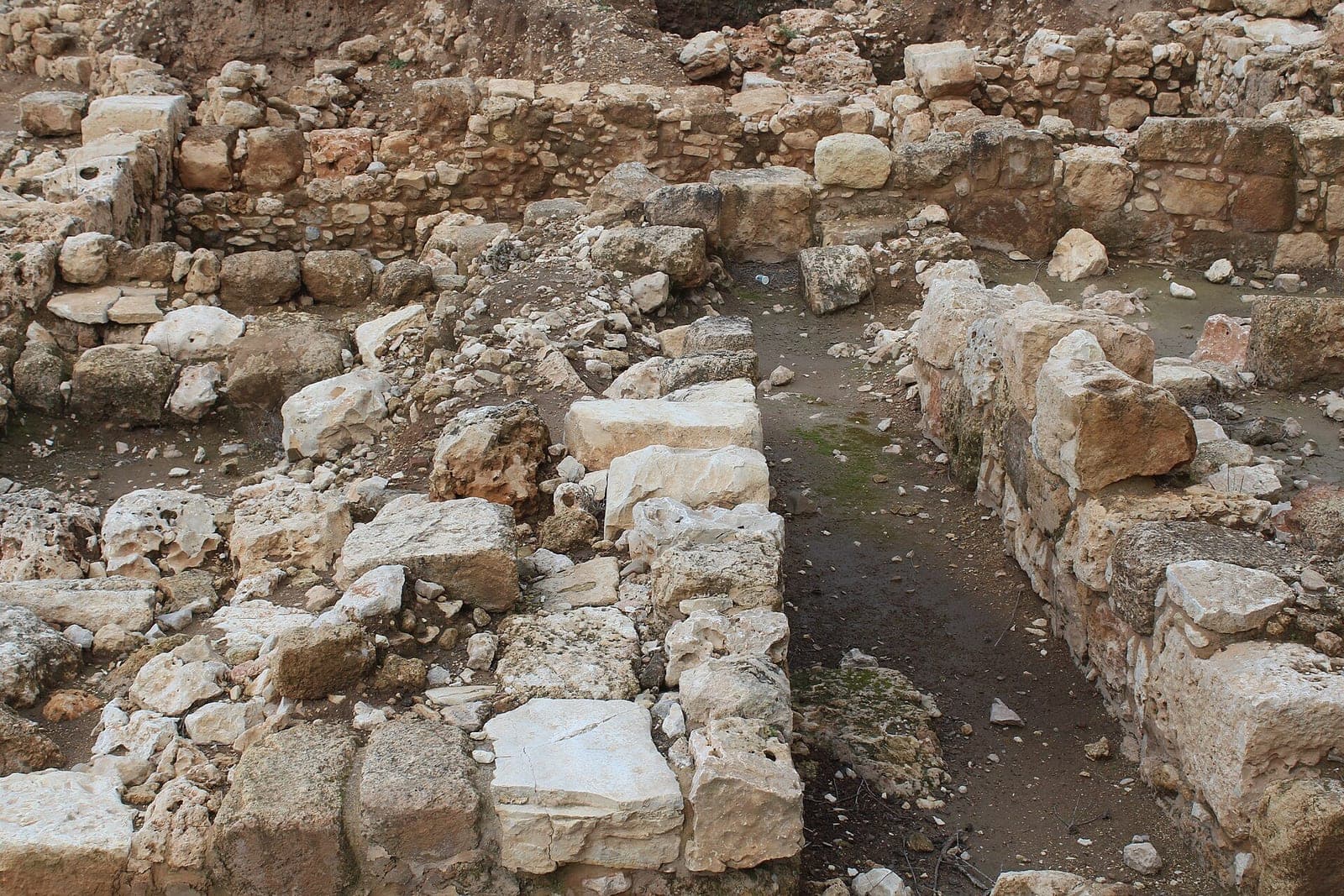
Photo: Deror Avi, via Wikimedia Commons. License: CC BY-SA 4.0. Source. Location: Tel Shiloh archaeological site, West Bank. Resized for the web.
Explore the places of the Bible
See where biblical events happened, why each place matters, and what archaeology helps us understand.
Shiloh
Where Israel set up the tabernacle, and where God called the boy Samuel.
Get full access with one subscription
Explore the people and places of the Bible. Read summaries of every book, with images and clear explanations covering every chapter. Access all these features and our Bible study tools with one subscription.
See PlansAsk AI about Deuteronomy 3:13
Ask a question about this verse and get a clear answer, with Bible references you can read for yourself.
Every Bible book, explained chapter by chapter
Explore summaries of every book of the Bible, with images and easy-to-understand explanations covering every chapter.
Keep studying Deuteronomy 3:13
Related Bible verses
Key themes
Related topics
At a Glance — the Book of Deuteronomy
- Author
- Traditionally attributed to Moses
- Written
- Around 1400 BC
- Genre
- Law (Pentateuch)
- Original Audience
- The Israelites about to enter the Promised Land
Frequently Asked Questions
Quick, clear answers about this verse
What does Deuteronomy 3:13 mean?
Deuteronomy 3:13 describes the land given to the half-tribe of Manasseh, including Gilead and Bashan, which was ruled by King Og. This verse highlights God's provision for His people by granting them territory despite the challenges they faced, symbolized by the mention of giants.
What is the significance of the land of giants in Deuteronomy 3:13?
The 'land of giants' refers to Bashan, known for its formidable inhabitants. This phrase emphasizes the challenges the Israelites encountered in claiming the land, serving as a reminder of the strength and courage needed to overcome obstacles.
Who was Og in Deuteronomy 3:13?
Og was the king of Bashan, known for his great size and strength, often associated with the giants of the land. His reign represents the formidable challenges the Israelites faced as they entered and claimed their promised territory.
How does Deuteronomy 3:13 relate to faith and challenges?
Deuteronomy 3:13 encourages readers to recognize that, like the Israelites facing giants, we too encounter challenges in life. It serves as a reminder to trust in God's provision and support as we navigate our own difficulties.
Daily Verse — straight to your inbox
A verse and a 2-sentence plain-English explanation, every morning. Free. Unsubscribe anytime.