Old Testament
Deuteronomy 32:23
Read the Bible in clear, modern English—easy to understand, faithful to the meaning, and written for everyday readers.
"I will pile disaster upon them. I will spend every arrow I have against them."
Compare translations
I will heap mischiefs upon them; I will spend mine arrows upon them.
What Deuteronomy 32:23 means
Plain-English insight for readers
In this verse, the speaker expresses a strong intention to bring about serious consequences for those who have turned away from what is right. The imagery of piling disaster suggests a relentless and overwhelming force. The mention of arrows symbolizes targeted actions meant to strike at the heart of their wrongdoing. This reflects a deep sense of justice and the seriousness of their actions. It serves as a warning that choices have consequences, and ignoring the right path can lead to dire outcomes. The speaker is determined to address the wrongs committed, emphasizing that there is a time for accountability. This verse invites reflection on our own choices and the impact they have on our lives and those around us. It challenges us to consider the importance of staying true to our values and the potential fallout of straying from them. Ultimately, it reminds us that our actions matter and that we should strive to make choices that lead to positive outcomes rather than disaster.
How to apply Deuteronomy 32:23 to your life
Consider the choices you make daily and their potential impact on your life and others. Reflect on how staying true to your values can lead to positive outcomes. Remember that every action has consequences, and strive to make decisions that align with your principles and beliefs. This awareness can guide you toward a better path in life. Embrace accountability for your actions and learn from past mistakes to grow positively in the future.
Curated for this public verse page. Deuteronomy Summary
Learn the Bible through its people and places
Get to know the people in Scripture through illustrated stories, and explore the places where they lived and traveled.

Illustrated scene from Moses's story: The Song of Moses (Deuteronomy 31:30–32:47)
Meet the people of the Bible
Follow their lives in order, with illustrated scenes and Bible passages that tell their stories.
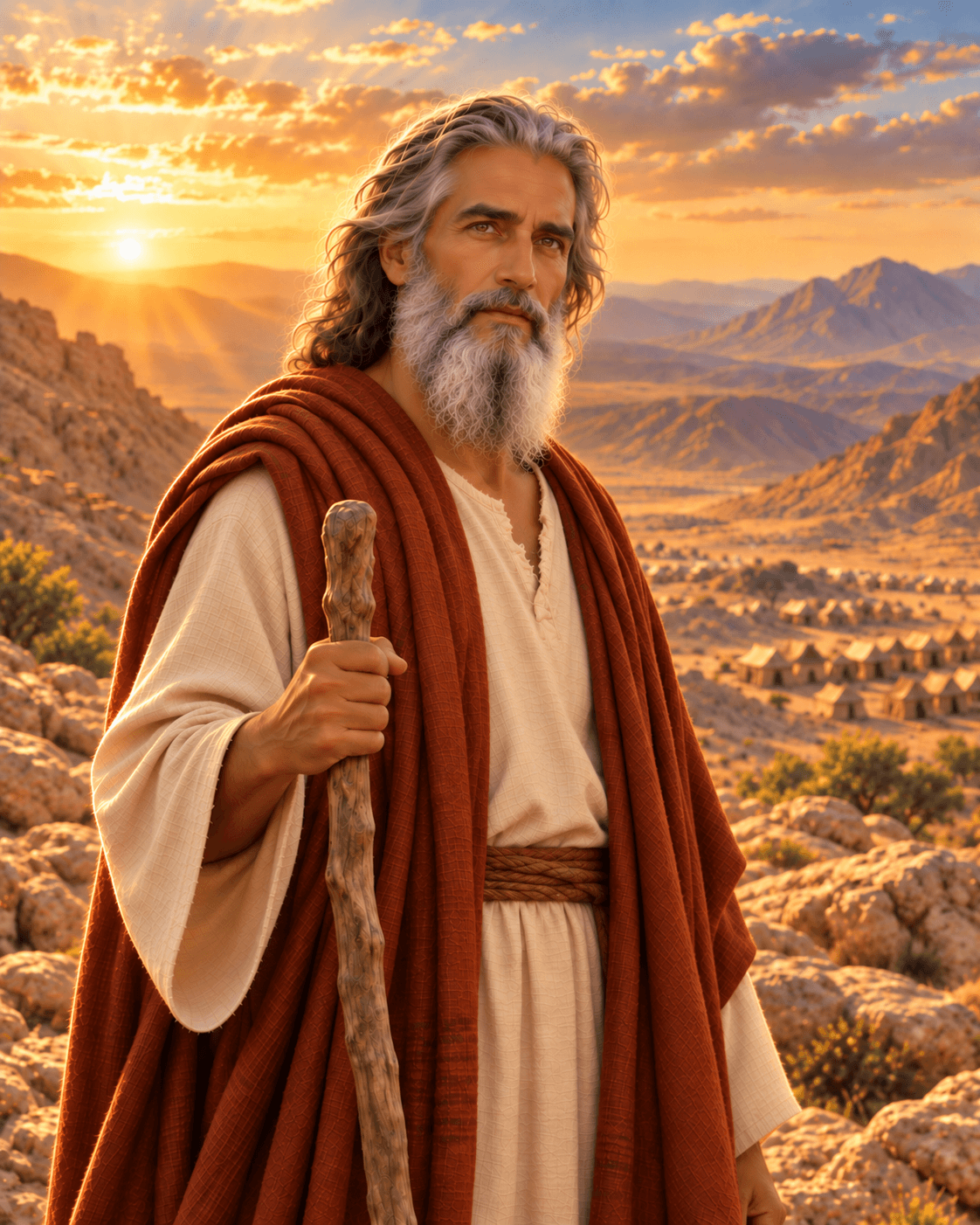 Moses
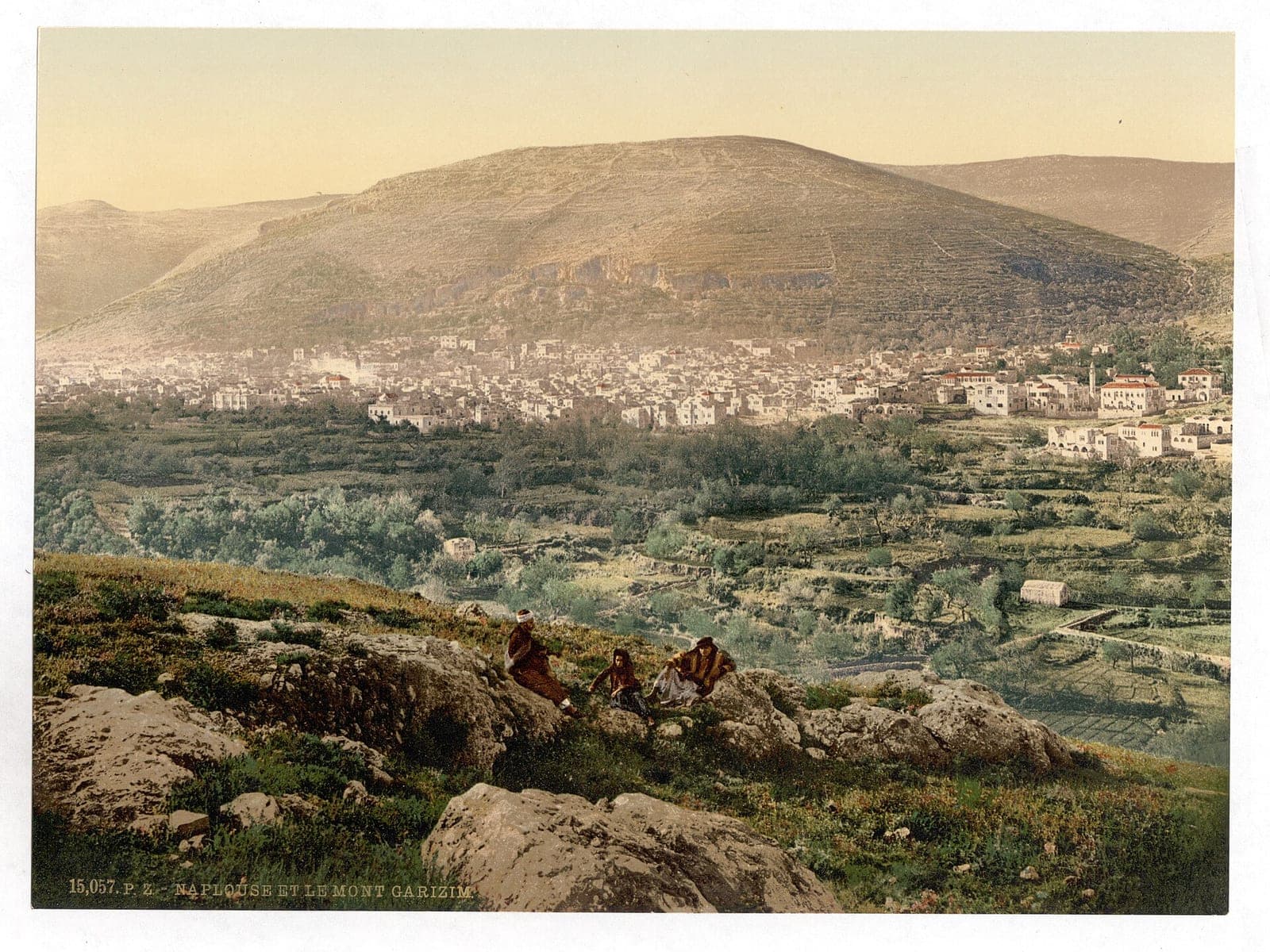
Photo: Photochrom print, Library of Congress Prints and Photographs Division (LCCN 2002725043). License: Public domain in the United States; Library of Congress states no known restrictions on publication. Source. Location: Nablus and Mount Gerizim, West Bank; print preserved by the Library of Congress. Resized for the web.
Explore the places of the Bible
See where biblical events happened, why each place matters, and what archaeology helps us understand.
Shechem
Where God promised the land to Abram, and where Joshua led Israel to renew the covenant.
Get full access with one subscription
Explore the people and places of the Bible. Read summaries of every book, with images and clear explanations covering every chapter. Access all these features and our Bible study tools with one subscription.
See PlansAsk AI about Deuteronomy 32:23
Ask a question about this verse and get a clear answer, with Bible references you can read for yourself.
Every Bible book, explained chapter by chapter
Explore summaries of every book of the Bible, with images and easy-to-understand explanations covering every chapter.
Keep studying Deuteronomy 32:23
Related Bible verses
Key themes
Related topics
At a Glance — the Book of Deuteronomy
- Author
- Traditionally attributed to Moses
- Written
- Around 1400 BC
- Genre
- Law (Pentateuch)
- Original Audience
- The Israelites about to enter the Promised Land
Frequently Asked Questions
Quick, clear answers about this verse
What does Deuteronomy 32:23 mean?
Deuteronomy 32:23 expresses a strong intention to bring serious consequences upon those who have turned away from righteousness. The verse uses imagery of disaster and arrows to illustrate the targeted nature of these consequences, emphasizing accountability for one's actions.
What is the significance of arrows in Deuteronomy 32:23?
In Deuteronomy 32:23, arrows symbolize targeted actions meant to strike at the heart of wrongdoing. This imagery highlights the seriousness of the consequences faced by those who stray from the right path.
How does Deuteronomy 32:23 relate to personal accountability?
Deuteronomy 32:23 emphasizes the importance of personal accountability by illustrating that actions have consequences. It encourages individuals to reflect on their choices and the impact those choices have on their lives and others.
What themes are present in Deuteronomy 32:23?
The themes present in Deuteronomy 32:23 include consequences, justice, accountability, choices, and wrongdoing. These themes highlight the importance of making decisions that align with one's values to avoid negative outcomes.
Daily Verse — straight to your inbox
A verse and a 2-sentence plain-English explanation, every morning. Free. Unsubscribe anytime.