Old Testament
Deuteronomy 4:21
Read the Bible in clear, modern English—easy to understand, faithful to the meaning, and written for everyday readers.
The LORD was angry with me because of you, and he swore that I would never cross the Jordan or enter the good land that the LORD your God is giving you as an inheritance.
Compare translations
Furthermore the LORD was angry with me for your sakes, and sware that I should not go over Jordan, and that I should not go in unto that good land, which the LORD thy God giveth thee for an inheritance:
What Deuteronomy 4:21 means
Plain-English insight for readers
In this verse, Moses reflects on a moment of deep disappointment. He shares that God was angry with him because of the people's actions. As a result, God made a promise that Moses would not be allowed to enter the Promised Land, a place of abundance and blessing. This land was meant for the Israelites, a gift from God. Moses' exclusion serves as a reminder of the consequences of disobedience and the importance of leadership. It highlights how our actions can impact others, especially those we lead. Moses' longing for the land symbolizes the hope and dreams that can be lost due to mistakes. This moment is a poignant reminder of the weight of responsibility that comes with guiding others. It encourages us to reflect on our choices and their effects on our journey and those around us. Ultimately, it teaches us about accountability and the importance of staying true to our commitments and values, even when faced with challenges or temptations. It’s a call to lead wisely and with integrity.
How to apply Deuteronomy 4:21 to your life
Consider how your actions affect those around you. Reflect on your responsibilities and the impact of your choices. Strive to lead with integrity and make decisions that align with your values. Remember that your journey can influence others' paths as well. Stay committed to your goals and the well-being of those you guide.
Curated for this public verse page. Deuteronomy Summary
Explore more of the Bible
Learn the Bible through its people and places
Get to know the people in Scripture through illustrated stories, and explore the places where they lived and traveled.

Illustrated scene from Ruth's story: Three Widows (Ruth 1:1–5)
Meet the people of the Bible
Follow their lives in order, with illustrated scenes and Bible passages that tell their stories.
 Ruth
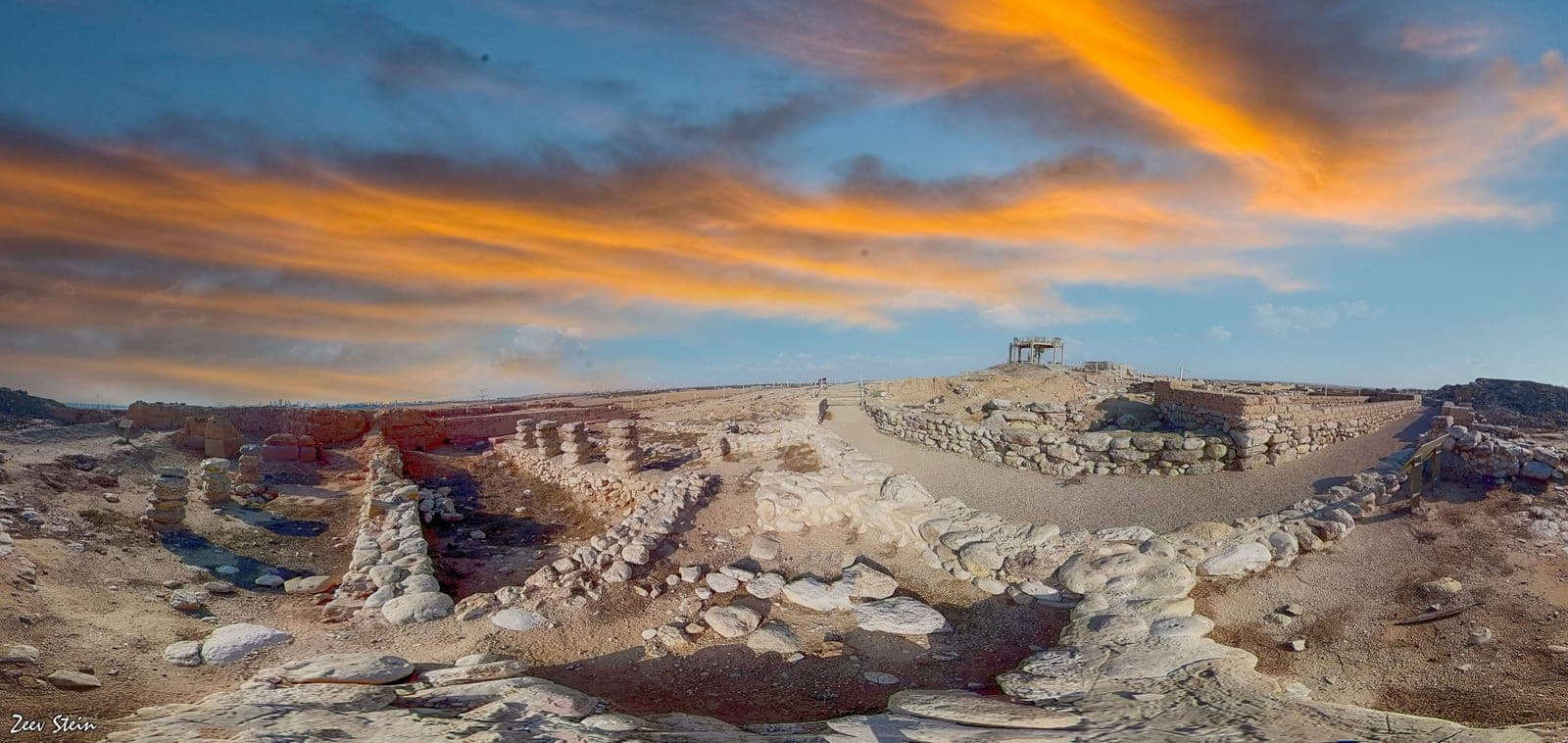
Photo: Zeev Stein / PikiWiki Israel, via Wikimedia Commons. License: CC BY 2.5. Source. Location: Tel Beer Sheva National Park, Israel. Resized for the web.
Explore the places of the Bible
See where biblical events happened, why each place matters, and what archaeology helps us understand.
Beersheba
Where Abraham and Isaac dug wells and worshiped the LORD, at the southern edge of the land.
Get full access with one subscription
Explore the people and places of the Bible. Read summaries of every book, with images and clear explanations covering every chapter. Access all these features and our Bible study tools with one subscription.
See PlansAsk AI about Deuteronomy 4:21
Ask a question about this verse and get a clear answer, with Bible references you can read for yourself.
Every Bible book, explained chapter by chapter
Explore summaries of every book of the Bible, with images and easy-to-understand explanations covering every chapter.
Keep studying Deuteronomy 4:21
Related Bible verses
Key themes
Related topics
At a Glance — the Book of Deuteronomy
- Author
- Traditionally attributed to Moses
- Written
- Around 1400 BC
- Genre
- Law (Pentateuch)
- Original Audience
- The Israelites about to enter the Promised Land
Frequently Asked Questions
Quick, clear answers about this verse
What does Deuteronomy 4:21 mean?
Deuteronomy 4:21 reflects Moses' realization that due to the people's actions, God was angry with him, resulting in a promise that he would not enter the Promised Land. This verse emphasizes the consequences of disobedience and the heavy burden of leadership.
What does the term 'good land' refer to in Deuteronomy 4:21?
In Deuteronomy 4:21, the 'good land' refers to the Promised Land that God intended to give to the Israelites as their inheritance. It symbolizes a place of abundance, blessing, and fulfillment of God's promises.
How does Deuteronomy 4:21 relate to leadership?
Deuteronomy 4:21 highlights the weight of responsibility that leaders carry, showing that their decisions can significantly affect those they lead. It serves as a reminder for leaders to act with integrity and consider the broader impact of their choices.
What lessons can we learn from Deuteronomy 4:21?
From Deuteronomy 4:21, we learn about the importance of accountability, the consequences of disobedience, and the need for responsible leadership. It encourages us to reflect on our actions and their effects on others, urging us to lead with integrity.
Daily Verse — straight to your inbox
A verse and a 2-sentence plain-English explanation, every morning. Free. Unsubscribe anytime.