Old Testament
Deuteronomy 9:29
Read the Bible in clear, modern English—easy to understand, faithful to the meaning, and written for everyday readers.
But they are still your people — your own inheritance — the ones you brought out of Egypt by your great power and your outstretched arm."
Compare translations
Yet they are thy people and thine inheritance, which thou broughtest out by thy mighty power and by thy stretched out arm.
What Deuteronomy 9:29 means
Plain-English insight for readers
In this verse, God reminds Moses that the people of Israel are His chosen ones, a special group that He has brought out of slavery in Egypt. Despite their flaws and failures, they belong to Him. This relationship is not based on their worthiness but on God's love and commitment. The phrase 'your own inheritance' emphasizes how precious they are to Him. God’s great power and outstretched arm symbolize His ability to save and protect them. This assurance is meant to comfort Moses as he leads them. It highlights the idea that even when we stray or face challenges, we are still valued and loved by God. This verse serves as a reminder that our identity is rooted in being part of something greater, a community that God has chosen and redeemed. It encourages us to recognize our worth and the importance of our relationship with God, who sees us as His own, despite our imperfections. We are not alone; we are part of a divine plan that is unfolding in our lives and the world.
How to apply Deuteronomy 9:29 to your life
Reflect on your identity as someone loved and chosen by God. No matter your past mistakes, remember that you are valued and part of a greater purpose. Embrace this truth in your daily life, allowing it to shape your actions and relationships. Let it inspire you to extend grace to others as well, recognizing their worth too.
Curated for this public verse page. Deuteronomy Summary
Explore more of the Bible
Learn the Bible through its people and places
Get to know the people in Scripture through illustrated stories, and explore the places where they lived and traveled.

Illustrated scene from David's story: Samuel Anoints David (1 Samuel 16:1–13)
Meet the people of the Bible
Follow their lives in order, with illustrated scenes and Bible passages that tell their stories.
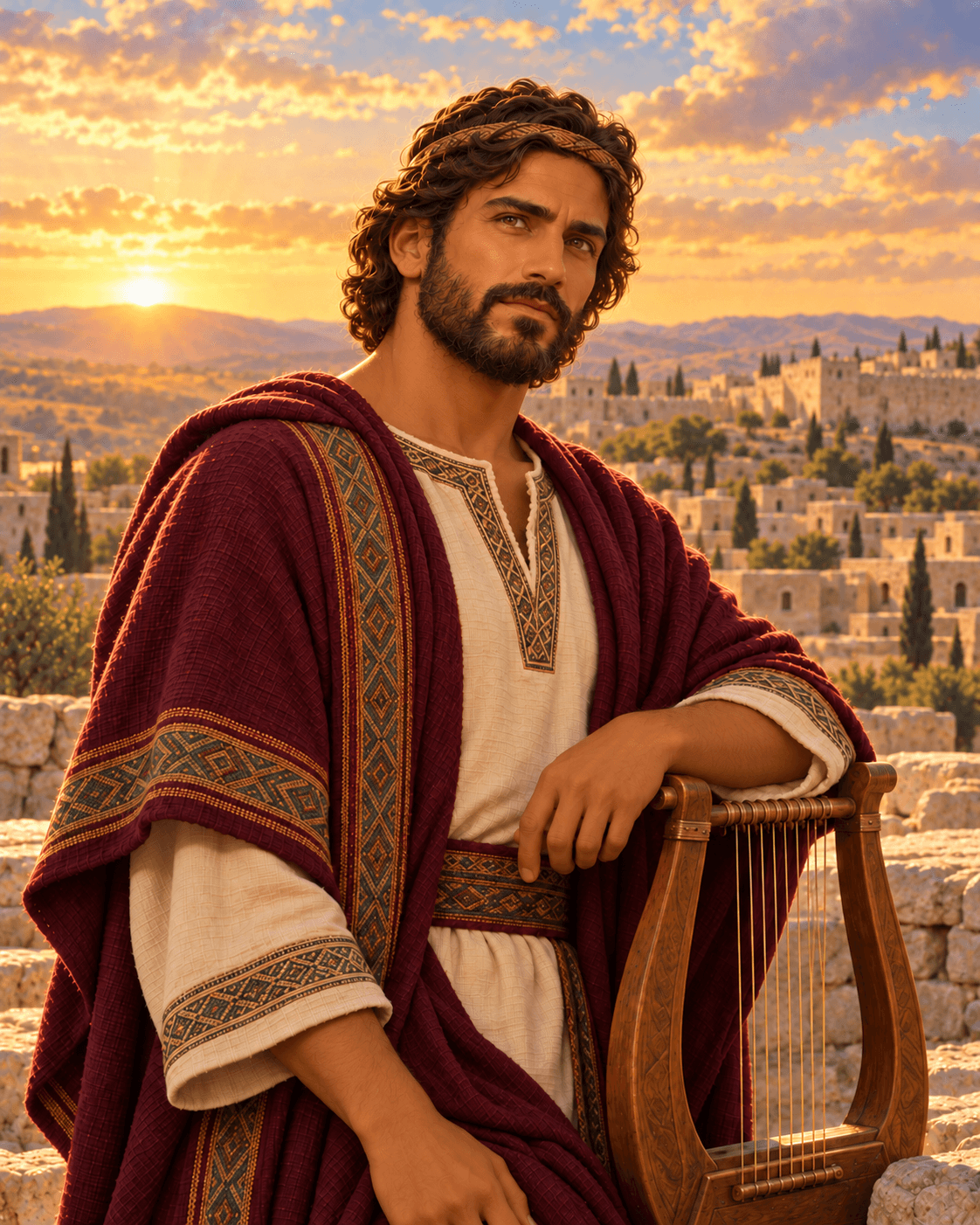 David
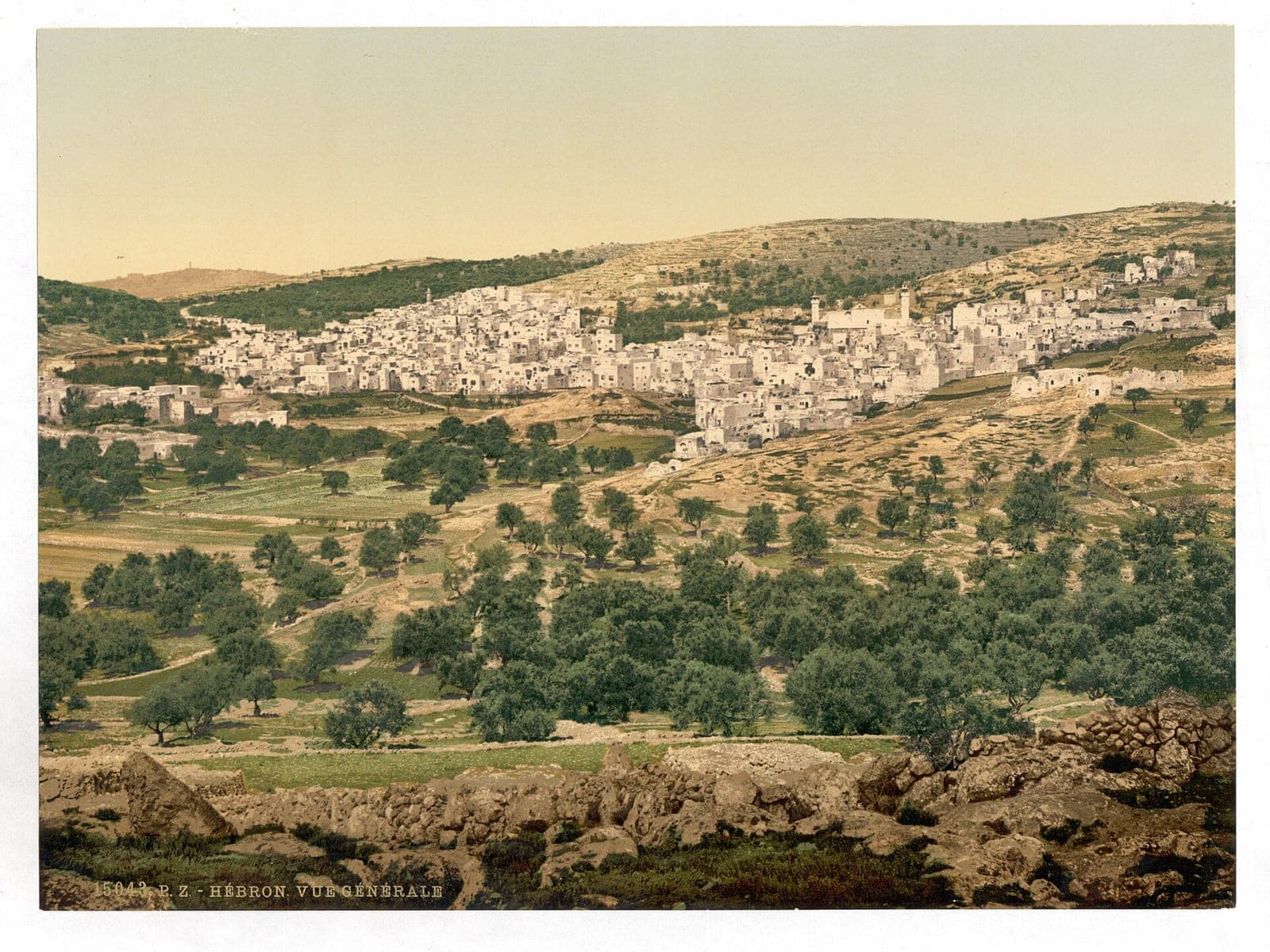
Photo: Photochrom print, Library of Congress Prints and Photographs Division (LCCN 2002724987). License: Public domain in the United States; Library of Congress states no known restrictions on publication. Source. Location: Hebron, West Bank; print preserved by the Library of Congress. Resized for the web.
Explore the places of the Bible
See where biblical events happened, why each place matters, and what archaeology helps us understand.
Hebron
Where Abraham lived and buried Sarah, and where David was first made king.
Get full access with one subscription
Explore the people and places of the Bible. Read summaries of every book, with images and clear explanations covering every chapter. Access all these features and our Bible study tools with one subscription.
See PlansAsk AI about Deuteronomy 9:29
Ask a question about this verse and get a clear answer, with Bible references you can read for yourself.
Every Bible book, explained chapter by chapter
Explore summaries of every book of the Bible, with images and easy-to-understand explanations covering every chapter.
Keep studying Deuteronomy 9:29
Related Bible verses
Key themes
Related topics
At a Glance — the Book of Deuteronomy
- Author
- Traditionally attributed to Moses
- Written
- Around 1400 BC
- Genre
- Law (Pentateuch)
- Original Audience
- The Israelites about to enter the Promised Land
Frequently Asked Questions
Quick, clear answers about this verse
What does Deuteronomy 9:29 teach about God's relationship with Israel?
Deuteronomy 9:29 emphasizes that Israel is God's chosen people, highlighting a special relationship based on His love and commitment rather than their worthiness. It reassures Moses that despite the people's flaws, they are still valued and protected by God, who brought them out of Egypt with great power. This verse serves as a reminder of God's unwavering support and the importance of identity in Him.
How can I apply the message of Deuteronomy 9:29 in my life?
You can apply the message of Deuteronomy 9:29 by reflecting on your identity as someone loved and chosen by God. Acknowledge that your worth is not defined by past mistakes but by God's grace. Allow this truth to influence your daily actions and relationships, extending grace to others and recognizing their inherent value as well. Embrace the idea that you are part of a divine plan, which can inspire hope and purpose in your life.
What does 'your own inheritance' mean in Deuteronomy 9:29?
In Deuteronomy 9:29, 'your own inheritance' signifies the special status of the Israelites as God's treasured possession. It indicates that they are not just a group of people but a community chosen by God for a unique purpose. This phrase underscores the depth of God's commitment to them, illustrating that they are precious to Him and that He has a vested interest in their well-being and future.
Why does God remind Moses of His power in Deuteronomy 9:29?
God reminds Moses of His power in Deuteronomy 9:29 to reassure him of His ability to protect and guide the Israelites. By recalling the mighty acts of deliverance from Egypt, God emphasizes that His strength is the foundation of their identity as His people. This reminder serves to bolster Moses' confidence as a leader, reinforcing that despite challenges, God remains in control and committed to His chosen ones.
Daily Verse — straight to your inbox
A verse and a 2-sentence plain-English explanation, every morning. Free. Unsubscribe anytime.