Old Testament
Deuteronomy 9:8
Read the Bible in clear, modern English—easy to understand, faithful to the meaning, and written for everyday readers.
Even at Horeb you made the LORD so furious that he was ready to destroy you.
Compare translations
Also in Horeb ye provoked the LORD to wrath, so that the LORD was angry with you to have destroyed you.
What Deuteronomy 9:8 means
Plain-English insight for readers
At Horeb, the people of Israel angered God deeply. They had just witnessed His power and miracles, yet they turned away from Him. This act of rebellion made God so furious that He considered wiping them out completely. It’s a stark reminder of how serious our choices can be. When we ignore what we know is right, we risk losing everything we hold dear. God’s anger was not just a reaction; it was a response to their ungratefulness and disobedience. This moment in history teaches us about the importance of staying faithful and recognizing the consequences of our actions. We must remember that our relationship with God is built on trust and obedience, and turning away can lead to dire outcomes. Reflecting on this, we can see how vital it is to remain committed to our values and beliefs, even when faced with challenges or temptations. God desires a genuine connection with us, and we should strive to honor that bond every day of our lives. Our choices matter, and they shape our future.
How to apply Deuteronomy 9:8 to your life
Consider how your actions reflect your values. Are there areas in your life where you might be turning away from what you know is right? Take a moment to realign your choices with your beliefs. Remember, staying true to your values strengthens your relationship with God and others. Make conscious decisions that honor your commitments and integrity.
Curated for this public verse page. Deuteronomy Summary
Learn the Bible through its people and places
Get to know the people in Scripture through illustrated stories, and explore the places where they lived and traveled.

Illustrated scene from Moses's story: The Golden Calf (Deuteronomy 9:7–21)
Meet the people of the Bible
Follow their lives in order, with illustrated scenes and Bible passages that tell their stories.
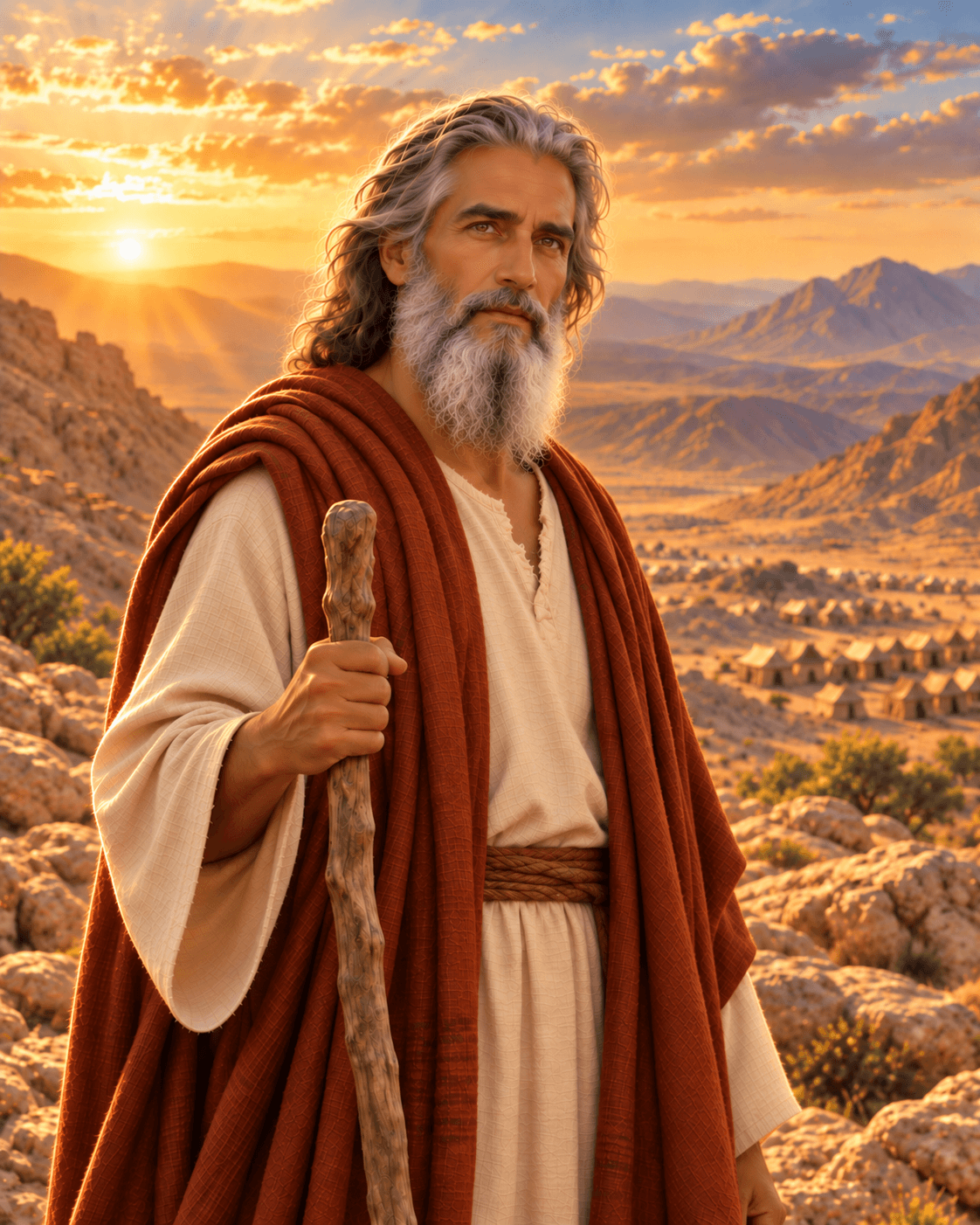 Moses
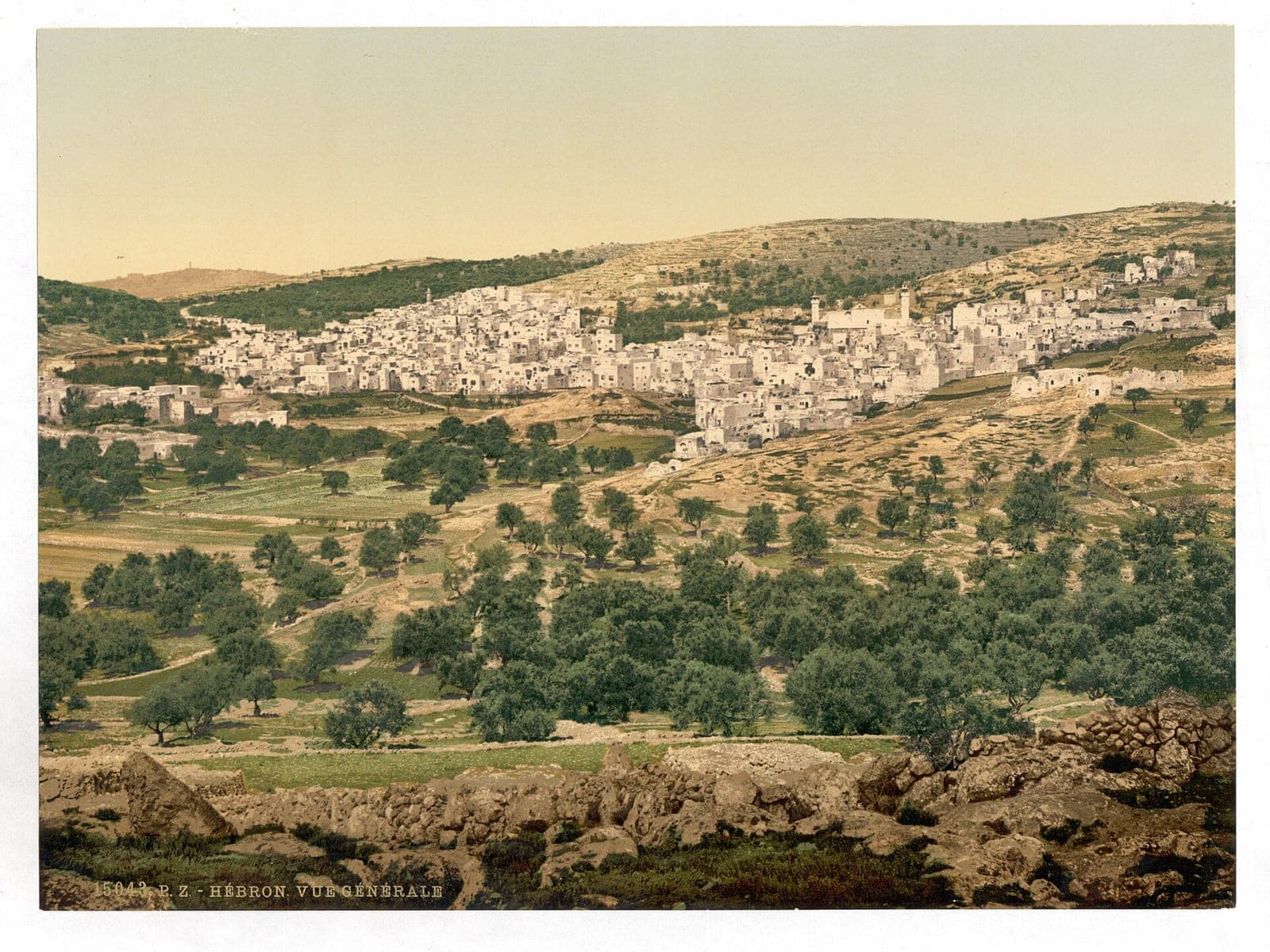
Photo: Photochrom print, Library of Congress Prints and Photographs Division (LCCN 2002724987). License: Public domain in the United States; Library of Congress states no known restrictions on publication. Source. Location: Hebron, West Bank; print preserved by the Library of Congress. Resized for the web.
Explore the places of the Bible
See where biblical events happened, why each place matters, and what archaeology helps us understand.
Hebron
Where Abraham lived and buried Sarah, and where David was first made king.
Get full access with one subscription
Explore the people and places of the Bible. Read summaries of every book, with images and clear explanations covering every chapter. Access all these features and our Bible study tools with one subscription.
See PlansAsk AI about Deuteronomy 9:8
Ask a question about this verse and get a clear answer, with Bible references you can read for yourself.
Every Bible book, explained chapter by chapter
Explore summaries of every book of the Bible, with images and easy-to-understand explanations covering every chapter.
Keep studying Deuteronomy 9:8
Related Bible verses
Key themes
Related topics
At a Glance — the Book of Deuteronomy
- Author
- Traditionally attributed to Moses
- Written
- Around 1400 BC
- Genre
- Law (Pentateuch)
- Original Audience
- The Israelites about to enter the Promised Land
Frequently Asked Questions
Quick, clear answers about this verse
What does Deuteronomy 9:8 mean?
Deuteronomy 9:8 highlights how the Israelites angered God at Horeb by turning away from Him despite witnessing His miracles. Their rebellion provoked God's wrath to the point where He considered destroying them, illustrating the seriousness of disobedience.
What is the significance of Horeb in Deuteronomy 9:8?
Horeb, also known as Mount Sinai, is significant because it is where the Israelites received the Law from God. The verse emphasizes that even after experiencing God's presence and power, they chose to rebel, which led to severe consequences.
What lessons can we learn from Deuteronomy 9:8?
Deuteronomy 9:8 teaches us about the importance of faithfulness and the consequences of our choices. It serves as a reminder to remain committed to our values and to recognize that turning away from what we know is right can lead to significant repercussions.
How does Deuteronomy 9:8 relate to our relationship with God?
This verse illustrates that our relationship with God is based on trust and obedience. It warns that ignoring His guidance and turning away can strain that relationship and lead to serious consequences.
Daily Verse — straight to your inbox
A verse and a 2-sentence plain-English explanation, every morning. Free. Unsubscribe anytime.