Old Testament
Ecclesiastes 1:8
Read the Bible in clear, modern English—easy to understand, faithful to the meaning, and written for everyday readers.
All things are full of labor; a person cannot utter it. The eye is not satisfied with seeing, nor the ear filled with hearing.
Compare translations
All things are full of labour; man cannot utter it: the eye is not satisfied with seeing, nor the ear filled with hearing.
What Ecclesiastes 1:8 means
Plain-English insight for readers
Life can feel like a never-ending cycle of work and effort. No matter how much we see or hear, it often feels like it’s never enough. We chase after experiences, hoping they will satisfy us, but they leave us wanting more. This verse highlights the futility of trying to find fulfillment in our daily grind. Our eyes crave new sights, and our ears long for new sounds, yet they never seem to be fully satisfied. It’s a reminder that material pursuits and sensory experiences can’t fill the deeper voids in our lives. Instead of seeking endless stimulation, we might consider what truly brings us joy and contentment. Reflecting on this can help us find peace in the simple moments rather than in constant striving for more. Ultimately, it encourages us to look beyond the surface and seek deeper meaning in our lives, rather than getting lost in the noise of the world around us. Embracing simplicity and gratitude can lead to a more fulfilling existence, where we appreciate what we have.
How to apply Ecclesiastes 1:8 to your life
Take a moment to reflect on what truly brings you joy. Instead of chasing after more experiences, focus on appreciating the simple things in life. Consider keeping a gratitude journal to remind yourself of what you already have and cherish those moments. This can help shift your perspective and bring more satisfaction to your daily life. Embrace simplicity and find joy in the present moment, rather than in constant striving for more.
Curated for this public verse page. Ecclesiastes Summary
Explore more of the Bible
Learn the Bible through its people and places
Get to know the people in Scripture through illustrated stories, and explore the places where they lived and traveled.

Illustrated scene from David's story: Samuel Anoints David (1 Samuel 16:1–13)
Meet the people of the Bible
Follow their lives in order, with illustrated scenes and Bible passages that tell their stories.
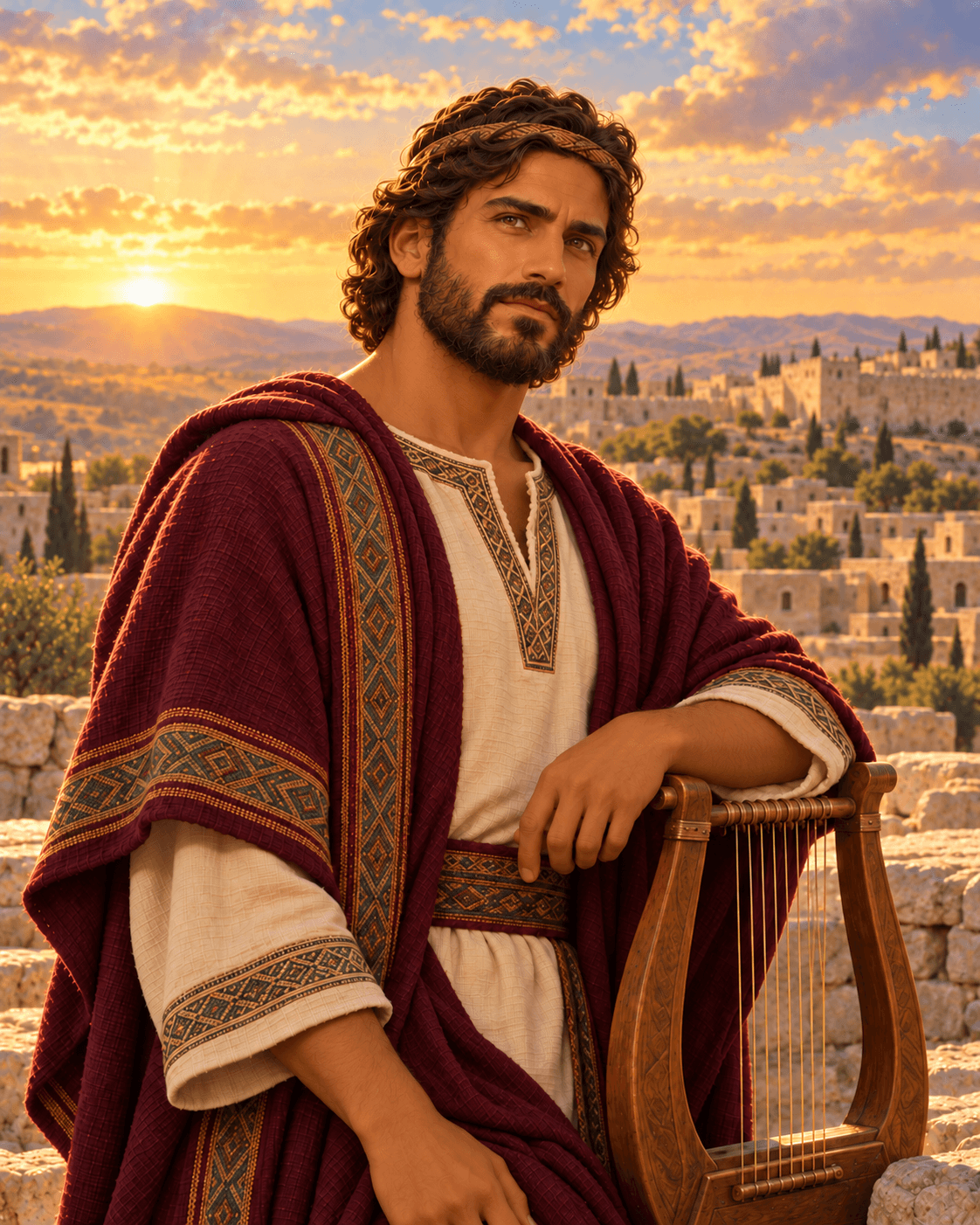 David
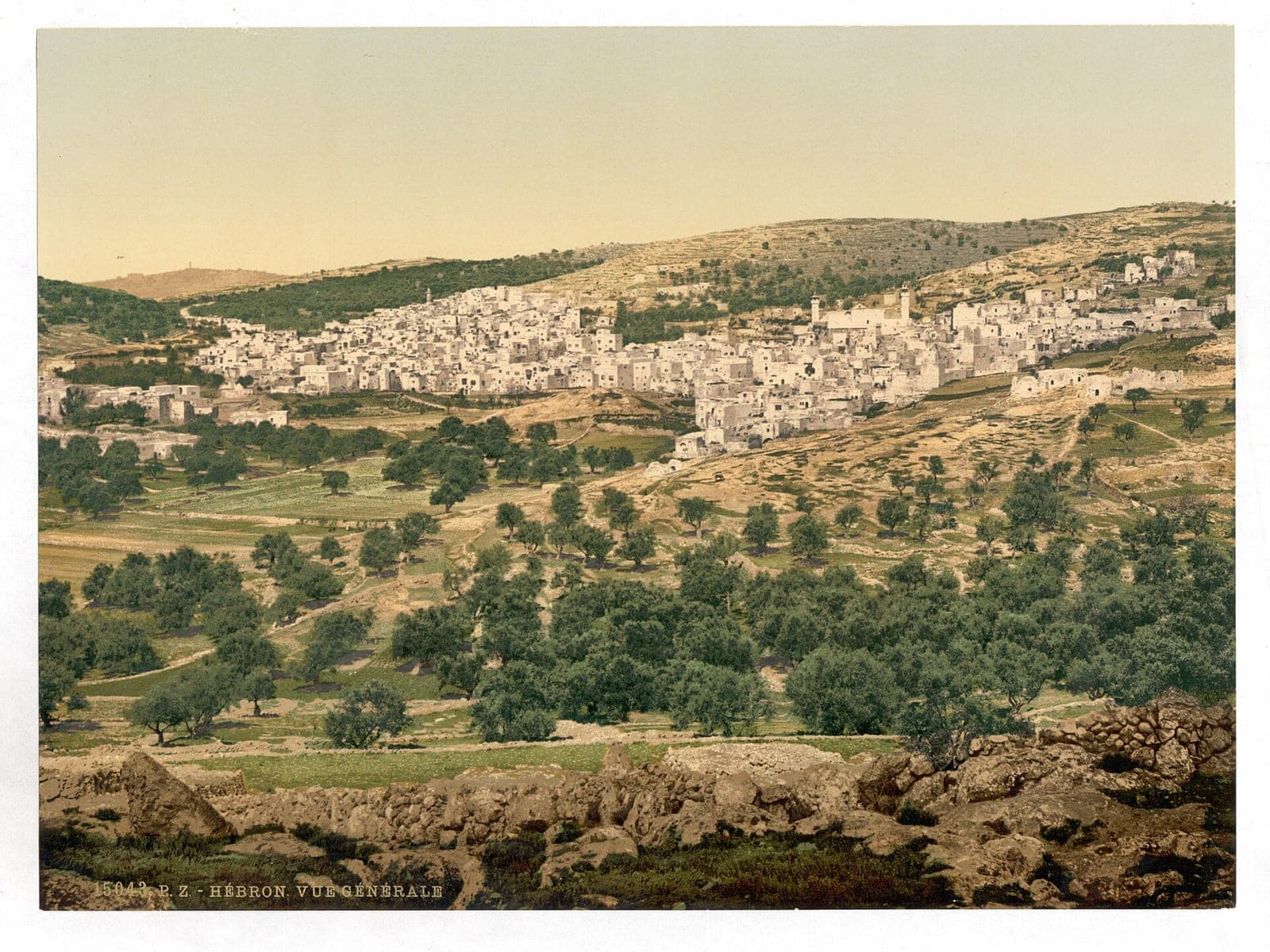
Photo: Photochrom print, Library of Congress Prints and Photographs Division (LCCN 2002724987). License: Public domain in the United States; Library of Congress states no known restrictions on publication. Source. Location: Hebron, West Bank; print preserved by the Library of Congress. Resized for the web.
Explore the places of the Bible
See where biblical events happened, why each place matters, and what archaeology helps us understand.
Hebron
Where Abraham lived and buried Sarah, and where David was first made king.
Get full access with one subscription
Explore the people and places of the Bible. Read summaries of every book, with images and clear explanations covering every chapter. Access all these features and our Bible study tools with one subscription.
See PlansAsk AI about Ecclesiastes 1:8
Ask a question about this verse and get a clear answer, with Bible references you can read for yourself.
Every Bible book, explained chapter by chapter
Explore summaries of every book of the Bible, with images and easy-to-understand explanations covering every chapter.
Keep studying Ecclesiastes 1:8
Related Bible verses
Key themes
Related topics
At a Glance — the Book of Ecclesiastes
- Author
- Traditionally attributed to Solomon
- Written
- Around 935 BC
- Genre
- Wisdom literature
- Original Audience
- Those searching for life's meaning
Frequently Asked Questions
Quick, clear answers about this verse
What does Ecclesiastes 1:8 mean?
Ecclesiastes 1:8 expresses the idea that life is filled with hard work and effort, yet people often feel unfulfilled. It highlights how our senses—what we see and hear—never seem to fully satisfy us, suggesting that material pursuits may not lead to true contentment.
What is the meaning of 'the eye is not satisfied with seeing' in Ecclesiastes 1:8?
The phrase 'the eye is not satisfied with seeing' means that no matter how much we experience visually, it rarely brings lasting satisfaction. It reflects the human tendency to constantly seek new sights and experiences without ever feeling truly fulfilled.
How can Ecclesiastes 1:8 apply to my life?
Ecclesiastes 1:8 encourages you to reflect on what truly brings you joy rather than chasing after more experiences. It suggests that appreciating simple moments and practicing gratitude can lead to a more fulfilling life.
What themes are present in Ecclesiastes 1:8?
The themes in Ecclesiastes 1:8 include the futility of life’s pursuits, the search for deeper meaning, the struggle for contentment, and the impact of sensory overload. It highlights the endless pursuit of satisfaction that often leaves us feeling unfulfilled.
Daily Verse — straight to your inbox
A verse and a 2-sentence plain-English explanation, every morning. Free. Unsubscribe anytime.