Old Testament
Ecclesiastes 11:1
Read the Bible in clear, modern English—easy to understand, faithful to the meaning, and written for everyday readers.
Cast your bread upon the waters, for you will find it after many days.
Compare translations
Cast thy bread upon the waters: for thou shalt find it after many days.
What Ecclesiastes 11:1 means
Plain-English insight for readers
This verse encourages us to take risks and invest in opportunities, even when the outcome is uncertain. 'Casting your bread upon the waters' symbolizes sharing your resources or efforts generously. Just as bread may float away, you might not see immediate results. However, the promise is that after some time, your efforts will return to you, often in unexpected ways. This teaches us about patience and faith in the process of life. It reminds us that our actions can have lasting impacts, even if we don’t see them right away. By being open to giving and sharing, we create a cycle of generosity that can lead to future rewards. Life is about taking chances and trusting that what we put out into the world will come back to us, often multiplied. So, don’t hesitate to invest in others or new ventures, as the returns may surprise you down the line. Embrace the uncertainty and keep moving forward with hope and purpose, knowing that your efforts matter in the grand scheme of things.
How to apply Ecclesiastes 11:1 to your life
Consider ways you can share your time, talents, or resources with others. Whether it's volunteering, mentoring, or simply being kind, these actions can create positive ripples in your community. Remember, the impact of your generosity may not be immediate, but it can lead to meaningful connections and rewards over time. Trust the process and keep giving without expecting immediate returns. Your contributions matter more than you realize.
Curated for this public verse page. Ecclesiastes Summary
Explore more of the Bible
Learn the Bible through its people and places
Get to know the people in Scripture through illustrated stories, and explore the places where they lived and traveled.

Illustrated scene from Noah's story: Noah Is Born (Genesis 5:28–32)
Meet the people of the Bible
Follow their lives in order, with illustrated scenes and Bible passages that tell their stories.
 Noah
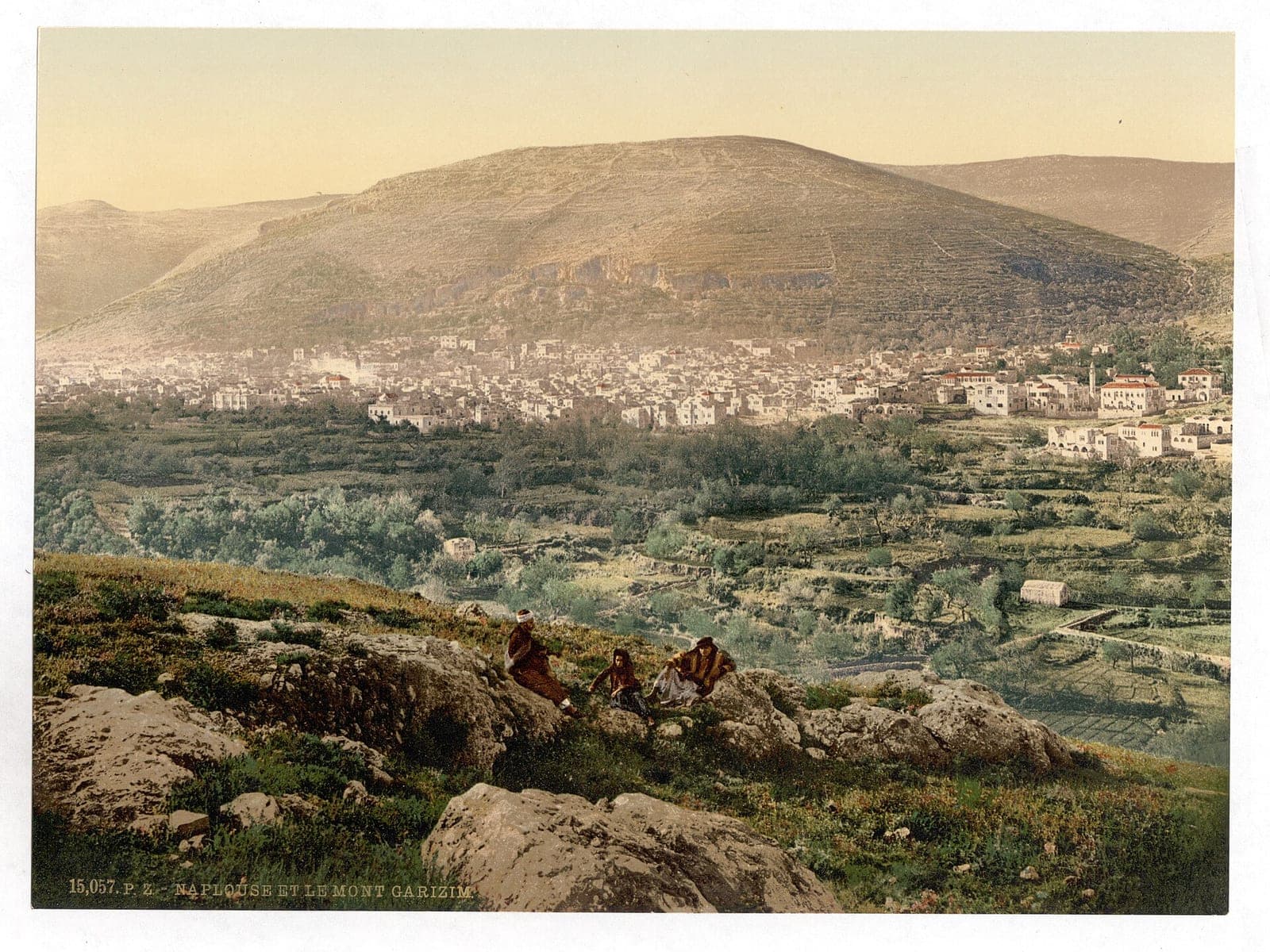
Photo: Photochrom print, Library of Congress Prints and Photographs Division (LCCN 2002725043). License: Public domain in the United States; Library of Congress states no known restrictions on publication. Source. Location: Nablus and Mount Gerizim, West Bank; print preserved by the Library of Congress. Resized for the web.
Explore the places of the Bible
See where biblical events happened, why each place matters, and what archaeology helps us understand.
Shechem
Where God promised the land to Abram, and where Joshua led Israel to renew the covenant.
Get full access with one subscription
Explore the people and places of the Bible. Read summaries of every book, with images and clear explanations covering every chapter. Access all these features and our Bible study tools with one subscription.
See PlansAsk AI about Ecclesiastes 11:1
Ask a question about this verse and get a clear answer, with Bible references you can read for yourself.
Every Bible book, explained chapter by chapter
Explore summaries of every book of the Bible, with images and easy-to-understand explanations covering every chapter.
Keep studying Ecclesiastes 11:1
Related Bible verses
Key themes
Related topics
At a Glance — the Book of Ecclesiastes
- Author
- Traditionally attributed to Solomon
- Written
- Around 935 BC
- Genre
- Wisdom literature
- Original Audience
- Those searching for life's meaning
Frequently Asked Questions
Quick, clear answers about this verse
What does Ecclesiastes 11:1 mean?
Ecclesiastes 11:1 encourages taking risks and being generous with your resources. It suggests that even if you don't see immediate results from your efforts, they will eventually come back to you in unexpected ways.
What is the meaning of 'cast your bread upon the waters' in Ecclesiastes 11:1?
'Cast your bread upon the waters' symbolizes sharing your resources or efforts without knowing the outcome. It implies that acts of kindness and generosity may take time to yield results, but they will ultimately return to you.
How can I apply Ecclesiastes 11:1 in my life?
You can apply this verse by looking for ways to share your time, talents, or resources with others. Whether through volunteering or simply being kind, your actions can create positive impacts that may take time to manifest.
What themes are present in Ecclesiastes 11:1?
The main themes in Ecclesiastes 11:1 include generosity, risk-taking, patience, investment, and faith. It highlights the value of giving and trusting that your efforts will eventually lead to rewards.
Daily Verse — straight to your inbox
A verse and a 2-sentence plain-English explanation, every morning. Free. Unsubscribe anytime.