Old Testament
Ecclesiastes 11:10
Read the Bible in clear, modern English—easy to understand, faithful to the meaning, and written for everyday readers.
Therefore remove sorrow from your heart, and put away evil from your flesh, for childhood and youth are vanity.
Compare translations
Therefore remove sorrow from thy heart, and put away evil from thy flesh: for childhood and youth are vanity.
What Ecclesiastes 11:10 means
Plain-English insight for readers
This verse encourages us to let go of sadness and negativity in our lives. It suggests that we should not let the burdens of sorrow weigh us down. Instead, we should focus on living a life free from harmful influences. The phrase 'childhood and youth are vanity' reminds us that the fleeting nature of youth can lead to empty pursuits. It’s a call to prioritize what truly matters and to seek joy and goodness. By removing sorrow and evil, we can embrace a more fulfilling life. This is about making choices that lead to happiness and well-being, especially during our formative years. Ultimately, it’s an invitation to reflect on how we can live more meaningfully and joyfully, rather than getting caught up in temporary distractions. Life is too precious to waste on negativity, so we should strive to cultivate positivity and purpose in our hearts and actions. This verse serves as a reminder to cherish our time and make the most of our youth while focusing on what brings true joy.
How to apply Ecclesiastes 11:10 to your life
To apply this verse, take a moment to identify sources of negativity in your life. Consider ways to replace them with positive influences. Focus on activities that bring you joy and fulfillment, especially during your younger years. Choose to surround yourself with uplifting people and experiences that enrich your life. Make each moment count by prioritizing what truly matters to you and your happiness.
Curated for this public verse page. Ecclesiastes Summary
Explore more of the Bible
Learn the Bible through its people and places
Get to know the people in Scripture through illustrated stories, and explore the places where they lived and traveled.

Illustrated scene from Noah's story: Noah Is Born (Genesis 5:28–32)
Meet the people of the Bible
Follow their lives in order, with illustrated scenes and Bible passages that tell their stories.
 Noah
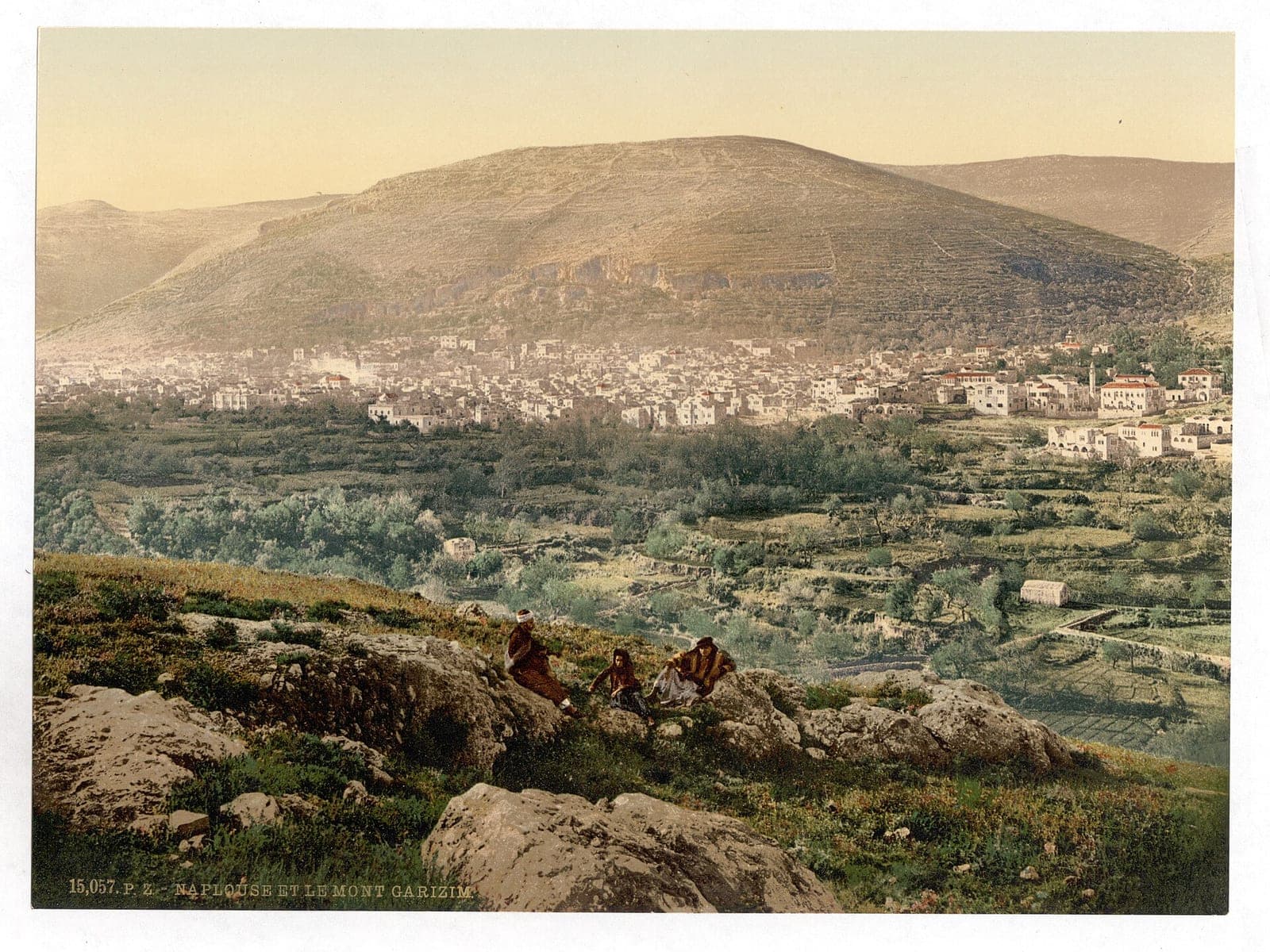
Photo: Photochrom print, Library of Congress Prints and Photographs Division (LCCN 2002725043). License: Public domain in the United States; Library of Congress states no known restrictions on publication. Source. Location: Nablus and Mount Gerizim, West Bank; print preserved by the Library of Congress. Resized for the web.
Explore the places of the Bible
See where biblical events happened, why each place matters, and what archaeology helps us understand.
Shechem
Where God promised the land to Abram, and where Joshua led Israel to renew the covenant.
Get full access with one subscription
Explore the people and places of the Bible. Read summaries of every book, with images and clear explanations covering every chapter. Access all these features and our Bible study tools with one subscription.
See PlansAsk AI about Ecclesiastes 11:10
Ask a question about this verse and get a clear answer, with Bible references you can read for yourself.
Fuller verse explanations
Explore what a verse means, what was happening around it, and how it connects to other Bible passages.
Plain Meaning
The writer tells a young person to clear grief and trouble out of their life while they still can. The reason given is that youth does not last — it passes quickly. So the time to enjoy life freely, without being weighed down by sorrow or harm to the body, is now, while you are young.
Read It in Context
Verse 9 told the young man to enjoy his youth and follow what his heart and eyes desire — but with a warning: God will judge all of it. Verse 10 follows from that. Because youth is short and judgment is coming, the young person should not waste these years on grief or on things that damage the body.
The full Clear view adds what to notice, common misreadings, and the passage that best explains this one — for Ecclesiastes 11:10 and any verse in the Bible.
Every Bible book, explained chapter by chapter
Explore summaries of every book of the Bible, with images and easy-to-understand explanations covering every chapter.
Keep studying Ecclesiastes 11:10
Related Bible verses
At a Glance — the Book of Ecclesiastes
- Author
- Traditionally attributed to Solomon
- Written
- Around 935 BC
- Genre
- Wisdom literature
- Original Audience
- Those searching for life's meaning
Frequently Asked Questions
Quick, clear answers about this verse
What does Ecclesiastes 11:10 mean?
Ecclesiastes 11:10 encourages us to let go of sorrow and negativity, suggesting that we should focus on living a life free from harmful influences. It highlights the fleeting nature of youth and reminds us to prioritize what truly matters in life.
What is the meaning of 'remove sorrow from your heart' in Ecclesiastes 11:10?
The phrase 'remove sorrow from your heart' means to let go of sadness and emotional burdens that can weigh you down. It encourages a mindset focused on positivity and joy, especially during the formative years of life.
What does 'childhood and youth are vanity' refer to in Ecclesiastes 11:10?
The phrase 'childhood and youth are vanity' refers to the idea that the pursuits and distractions of youth can often be empty or meaningless. It serves as a reminder to seek deeper fulfillment rather than getting caught up in temporary pleasures.
How can I apply Ecclesiastes 11:10 in my life?
To apply Ecclesiastes 11:10, identify sources of negativity in your life and replace them with positive influences. Focus on activities that bring joy and surround yourself with uplifting people to make the most of your time.
Daily Verse — straight to your inbox
A verse and a 2-sentence plain-English explanation, every morning. Free. Unsubscribe anytime.