Old Testament
Ecclesiastes 5:15
Read the Bible in clear, modern English—easy to understand, faithful to the meaning, and written for everyday readers.
As he came forth from his mother's womb, naked shall he return to go as he came, and shall take nothing from his labor that he may carry away in his hand.
Compare translations
As he came forth of his mother’s womb, naked shall he return to go as he came, and shall take nothing of his labour, which he may carry away in his hand.
What Ecclesiastes 5:15 means
Plain-English insight for readers
This verse reminds us of the reality of life and death. When we are born, we come into the world without any possessions, and when we die, we leave the same way. No matter how hard we work or what we achieve, we cannot take our material gains with us. Our efforts and labor may bring us temporary satisfaction, but ultimately, they do not define our worth or legacy. This perspective encourages us to focus on what truly matters in life, such as relationships, experiences, and personal growth. It challenges us to reconsider our priorities and the value we place on material wealth. In the end, the things we accumulate are left behind, and what remains is the impact we have on others and the memories we create. Embracing this truth can lead to a more meaningful and fulfilling life, where we invest in what lasts beyond our time on earth. Understanding this can help us live with intention and purpose, prioritizing what truly enriches our lives and the lives of those around us.
How to apply Ecclesiastes 5:15 to your life
Reflect on what truly matters in your life. Consider how much time and energy you invest in material possessions versus relationships and personal growth. Make a conscious effort to prioritize experiences and connections that will leave a lasting impact, both for yourself and others. Live with intention and focus on what enriches your life beyond material wealth. Embrace simplicity and gratitude for what you have now, rather than what you can accumulate.
Curated for this public verse page. Ecclesiastes Summary
Explore more of the Bible
Learn the Bible through its people and places
Get to know the people in Scripture through illustrated stories, and explore the places where they lived and traveled.

Illustrated scene from Daniel's story: Faithful at the King's Table (Daniel 1:1–21)
Meet the people of the Bible
Follow their lives in order, with illustrated scenes and Bible passages that tell their stories.
 Daniel
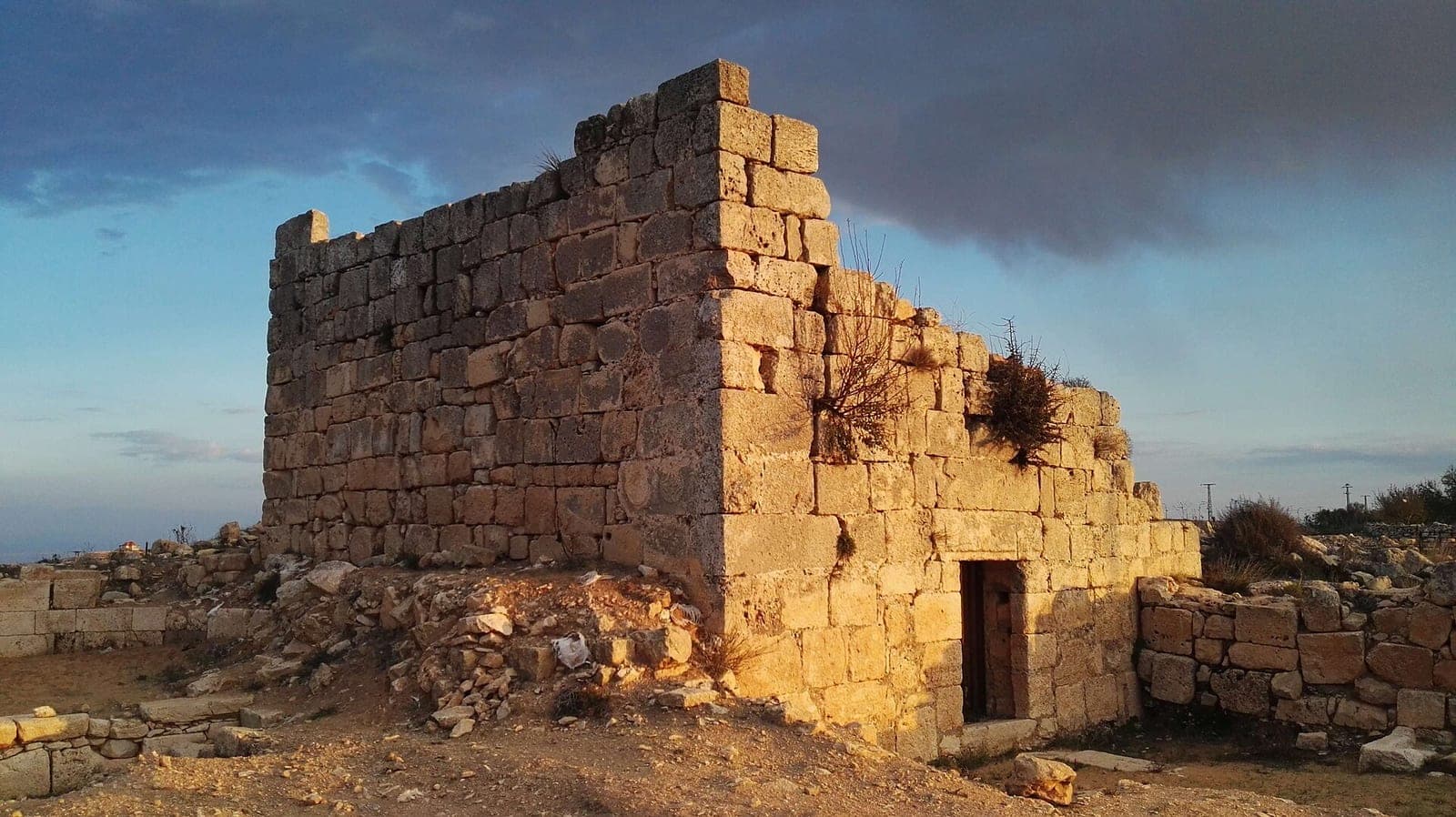
Photo: Bukvoed, via Wikimedia Commons. License: CC BY 4.0. Source. Location: Burj Beitin, Beitin, Ramallah and al-Bireh Governorate, West Bank. Resized for the web.
Explore the places of the Bible
See where biblical events happened, why each place matters, and what archaeology helps us understand.
Bethel
Where Jacob dreamed of a stairway to heaven and met God.
Get full access with one subscription
Explore the people and places of the Bible. Read summaries of every book, with images and clear explanations covering every chapter. Access all these features and our Bible study tools with one subscription.
See PlansAsk AI about Ecclesiastes 5:15
Ask a question about this verse and get a clear answer, with Bible references you can read for yourself.
Every Bible book, explained chapter by chapter
Explore summaries of every book of the Bible, with images and easy-to-understand explanations covering every chapter.
Keep studying Ecclesiastes 5:15
Related Bible verses
Key themes
Related topics
At a Glance — the Book of Ecclesiastes
- Author
- Traditionally attributed to Solomon
- Written
- Around 935 BC
- Genre
- Wisdom literature
- Original Audience
- Those searching for life's meaning
Frequently Asked Questions
Quick, clear answers about this verse
What does Ecclesiastes 5:15 mean?
Ecclesiastes 5:15 emphasizes the inevitability of life and death, stating that we enter the world without possessions and leave in the same way. It highlights that material gains from our labor cannot be taken with us after death.
What is the meaning of 'naked shall he return' in Ecclesiastes 5:15?
The phrase 'naked shall he return' signifies that just as we are born without any belongings, we will leave this world in the same state. It serves as a reminder that material wealth is temporary and ultimately irrelevant at the end of life.
How does Ecclesiastes 5:15 relate to materialism?
Ecclesiastes 5:15 critiques materialism by illustrating that no matter how much we acquire during our lives, we cannot take any of it with us when we die. It encourages a focus on what truly matters beyond material wealth.
What lessons can we learn from Ecclesiastes 5:15?
From Ecclesiastes 5:15, we learn to prioritize meaningful relationships and personal growth over material possessions. It encourages us to reflect on our values and invest in experiences that create lasting memories.
Daily Verse — straight to your inbox
A verse and a 2-sentence plain-English explanation, every morning. Free. Unsubscribe anytime.