New Testament
Ephesians 2:1
Read the Bible in clear, modern English—easy to understand, faithful to the meaning, and written for everyday readers.
And you were made alive, who were dead in trespasses and sins;
Compare translations
And you hath he quickened, who were dead in trespasses and sins;
What Ephesians 2:1 means
Plain-English insight for readers
This verse highlights a profound transformation. It tells us that we were once spiritually lifeless, trapped in our wrongdoings and mistakes. However, through a powerful act, we have been brought back to life. This isn't just about physical existence; it's about a new beginning filled with hope and purpose. The 'trespasses and sins' represent the things that separate us from a fulfilling life. When we acknowledge this change, we realize that we are no longer defined by our past failures. Instead, we are given a fresh start, a chance to live fully and authentically. This awakening invites us to embrace a life that reflects our new identity, one that is vibrant and meaningful. It’s a reminder that no matter how lost we felt, there is always a path to renewal and joy. We are invited to step into this new life with confidence and gratitude, knowing we are supported in our journey forward. This transformation is not just a one-time event; it’s an ongoing process of growth and discovery.
How to apply Ephesians 2:1 to your life
Reflect on your past mistakes and recognize how they do not define you. Embrace the new life you have been given and seek to live with purpose. Share your journey with others to inspire them to find their own renewal and hope. Remember, every day is an opportunity for growth and change. Live fully in this new identity you have received, and let it guide your actions and choices moving forward.
Curated for this public verse page. Ephesians Summary
Explore more of the Bible
Learn the Bible through its people and places
Get to know the people in Scripture through illustrated stories, and explore the places where they lived and traveled.
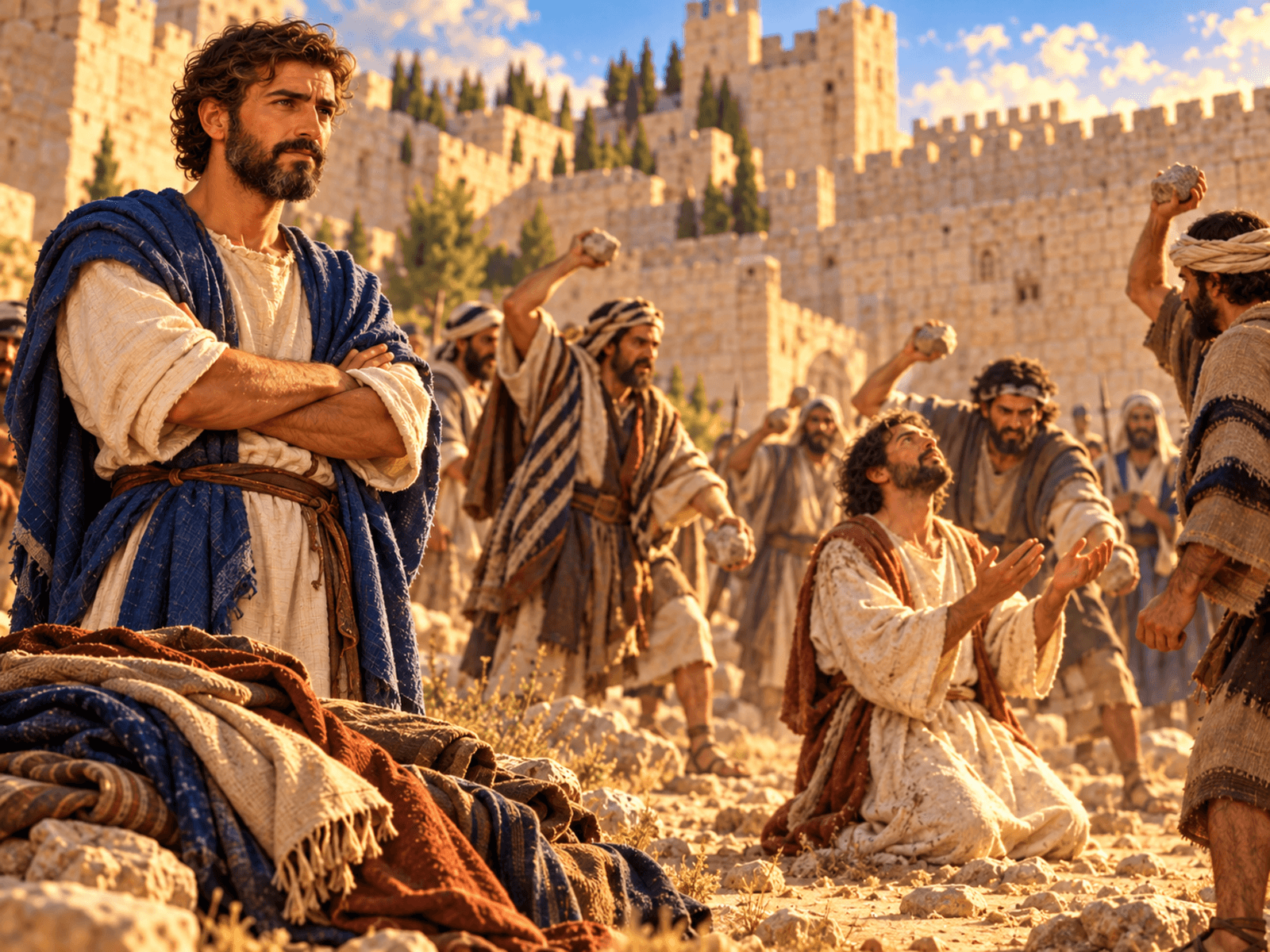
Illustrated scene from Paul's story: The Stoning of Stephen (Acts 7:57–8:2)
Meet the people of the Bible
Follow their lives in order, with illustrated scenes and Bible passages that tell their stories.
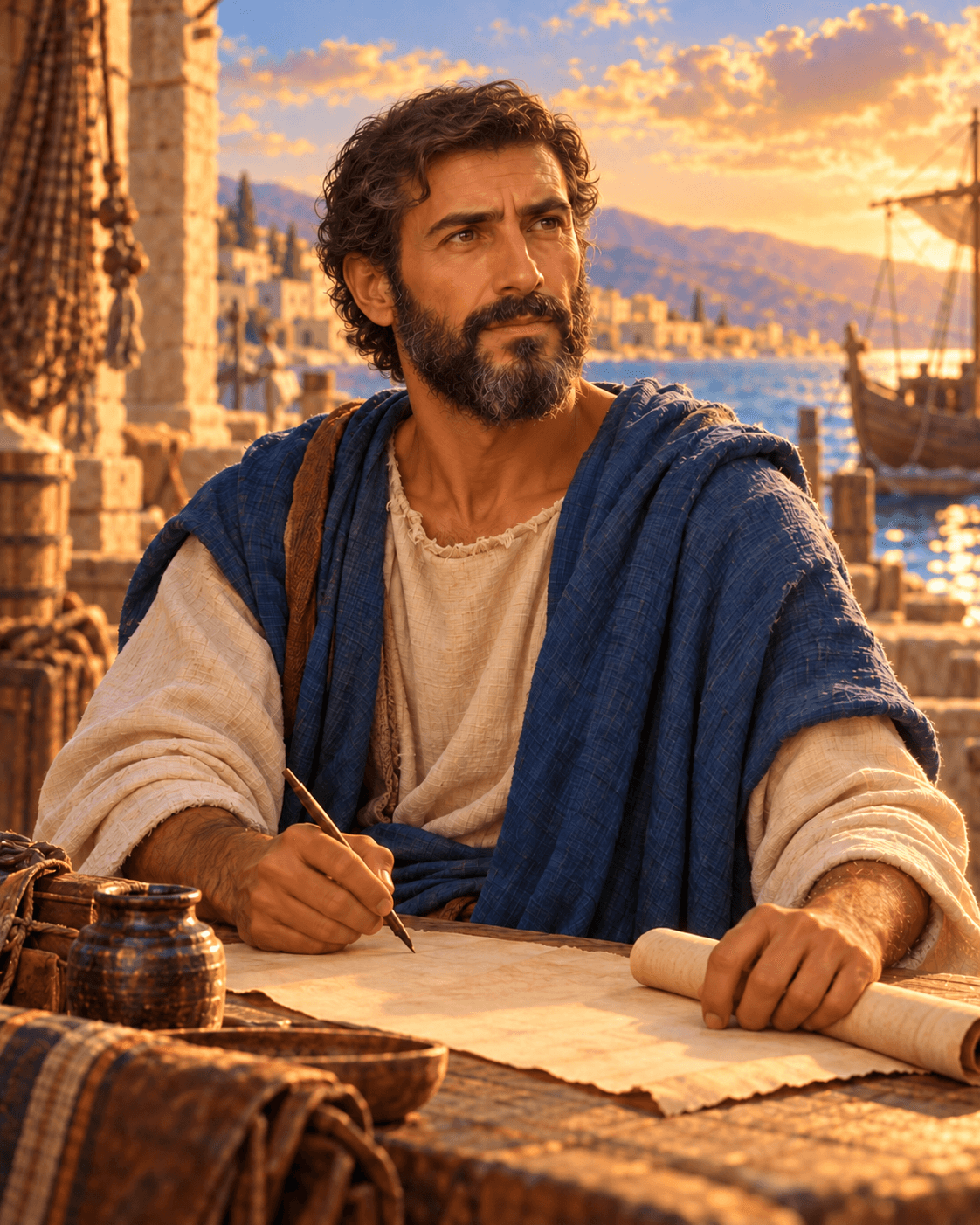 Paul
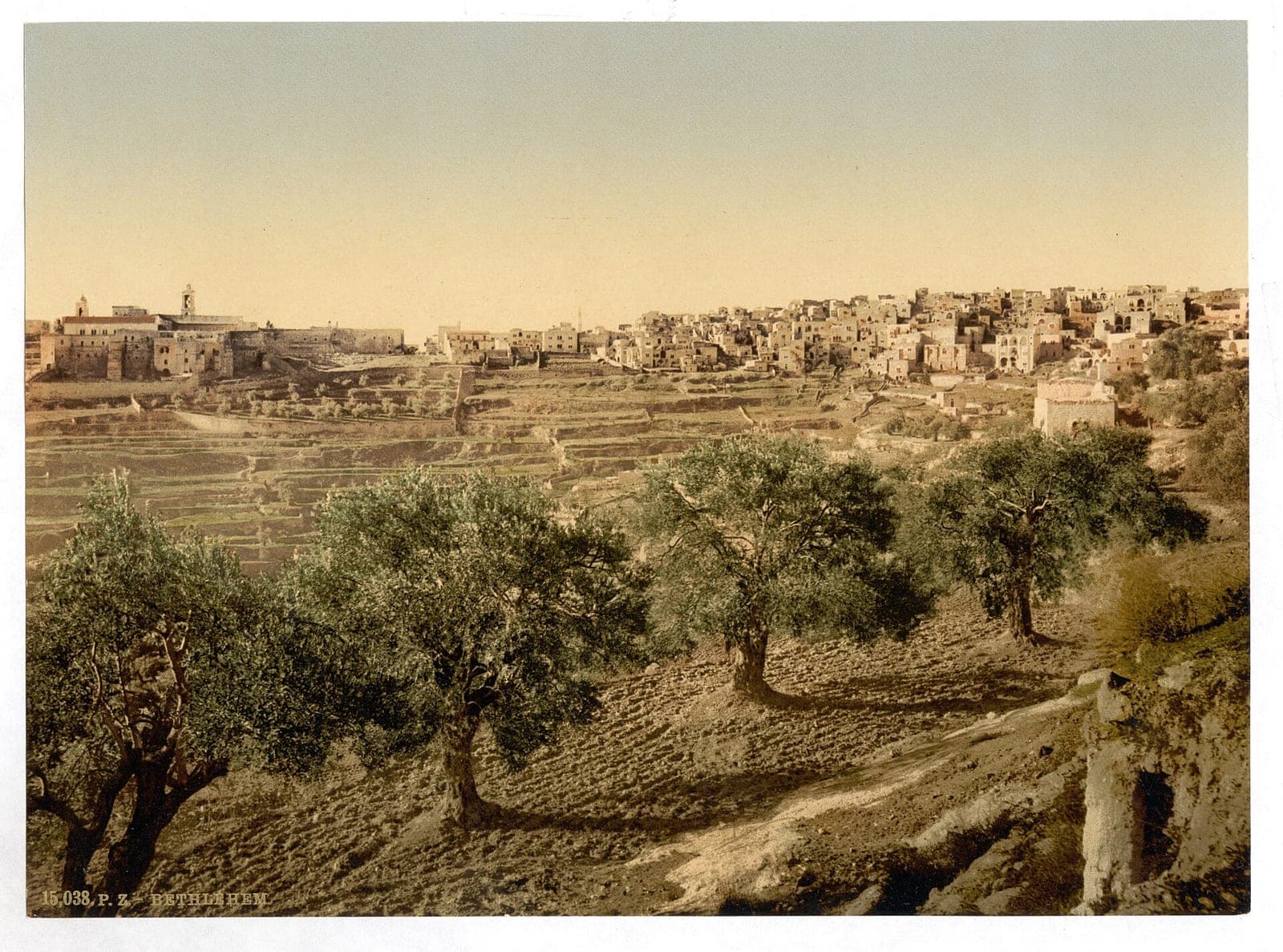
Photo: Photochrom print, Library of Congress Prints and Photographs Division (LCCN 2002724966). License: Public domain in the United States; Library of Congress states no known restrictions on publication. Source. Location: Bethlehem, West Bank; print preserved by the Library of Congress. Resized for the web.
Explore the places of the Bible
See where biblical events happened, why each place matters, and what archaeology helps us understand.
Bethlehem
David's hometown, and the town where Jesus was born.
Get full access with one subscription
Explore the people and places of the Bible. Read summaries of every book, with images and clear explanations covering every chapter. Access all these features and our Bible study tools with one subscription.
See PlansAsk AI about Ephesians 2:1
Ask a question about this verse and get a clear answer, with Bible references you can read for yourself.
Every Bible book, explained chapter by chapter
Explore summaries of every book of the Bible, with images and easy-to-understand explanations covering every chapter.
Keep studying Ephesians 2:1
Related Bible verses
Key themes
Related topics
At a Glance — the Book of Ephesians
- Author
- Paul the apostle
- Written
- Around AD 60-62
- Genre
- Letter (epistle)
- Original Audience
- The church in Ephesus
Frequently Asked Questions
Quick, clear answers about this verse
What does Ephesians 2:1 mean by being 'dead in trespasses and sins'?
Ephesians 2:1 refers to a spiritual state where individuals are separated from God due to their wrongdoings and moral failures. Being 'dead' signifies a lack of spiritual vitality and connection to God, indicating that without divine intervention, one remains lost in a cycle of sin. This verse emphasizes the need for transformation and the importance of recognizing our spiritual condition before experiencing renewal.
How can I apply the message of Ephesians 2:1 in my life?
To apply Ephesians 2:1, start by reflecting on your past mistakes and understanding that they do not define your identity. Embrace the new life offered through faith, which allows you to move forward with hope and purpose. Engage in practices that foster spiritual growth, such as prayer, community involvement, and sharing your story with others to inspire them. Remember, each day is a chance to live out your renewed identity.
Why is the concept of forgiveness important in Ephesians 2:1?
Forgiveness is central to Ephesians 2:1 because it highlights the grace that allows individuals to move from spiritual death to life. Acknowledging our 'trespasses and sins' is crucial for understanding the depth of God's mercy. This forgiveness not only frees us from past failures but also empowers us to embrace a new life filled with hope and purpose, encouraging us to extend that same grace to others.
What does Ephesians 2:1 teach about hope and renewal?
Ephesians 2:1 teaches that no matter how lost or trapped we feel in our past mistakes, there is always hope for renewal through faith. This verse reassures us that transformation is possible, inviting us to step into a new life characterized by purpose and joy. It encourages believers to embrace their new identity in Christ, reminding them that each day offers opportunities for growth and a fresh start.
Daily Verse — straight to your inbox
A verse and a 2-sentence plain-English explanation, every morning. Free. Unsubscribe anytime.