Old Testament
Exodus 12:43
Read the Bible in clear, modern English—easy to understand, faithful to the meaning, and written for everyday readers.
The LORD said to Moses and Aaron, "These are the rules for the Passover: No foreigner may eat it.
Compare translations
And the LORD said unto Moses and Aaron, This is the ordinance of the passover: There shall no stranger eat thereof:
What Exodus 12:43 means
Plain-English insight for readers
In this passage, God is giving specific instructions to Moses and Aaron about the Passover celebration. The Passover is a significant event that commemorates the Israelites' escape from slavery in Egypt. God emphasizes that only those who are part of the community, specifically the Israelites, are allowed to participate in this sacred meal. This rule highlights the importance of belonging and being part of a covenant community. It also serves as a reminder that the Passover is not just a meal, but a symbol of freedom and divine protection. By restricting participation to the Israelites, God is reinforcing the idea that this event is deeply tied to their identity and history. It invites reflection on who is included in our own celebrations and communities. The Passover is a moment of remembrance and gratitude, and it calls for a sense of unity among those who share in its significance. Understanding these rules helps us appreciate the depth of the Passover and its lasting impact on the faith and culture of the Israelites.
How to apply Exodus 12:43 to your life
Consider who you include in your own celebrations and gatherings. Are there people who feel excluded? Strive to create a welcoming environment that reflects the values of community and belonging. Remember the importance of shared history and experiences in building connections with others. Celebrate togetherness and unity in your life and relationships. “Passover” can inspire us to reflect on our own traditions and their meanings.
Curated for this public verse page. Exodus Summary
Explore more of the Bible
Learn the Bible through its people and places
Get to know the people in Scripture through illustrated stories, and explore the places where they lived and traveled.

Illustrated scene from Joseph, Jacob's son's story: Joseph Is Born (Genesis 30:22–24)
Meet the people of the Bible
Follow their lives in order, with illustrated scenes and Bible passages that tell their stories.
 Joseph, Jacob's son
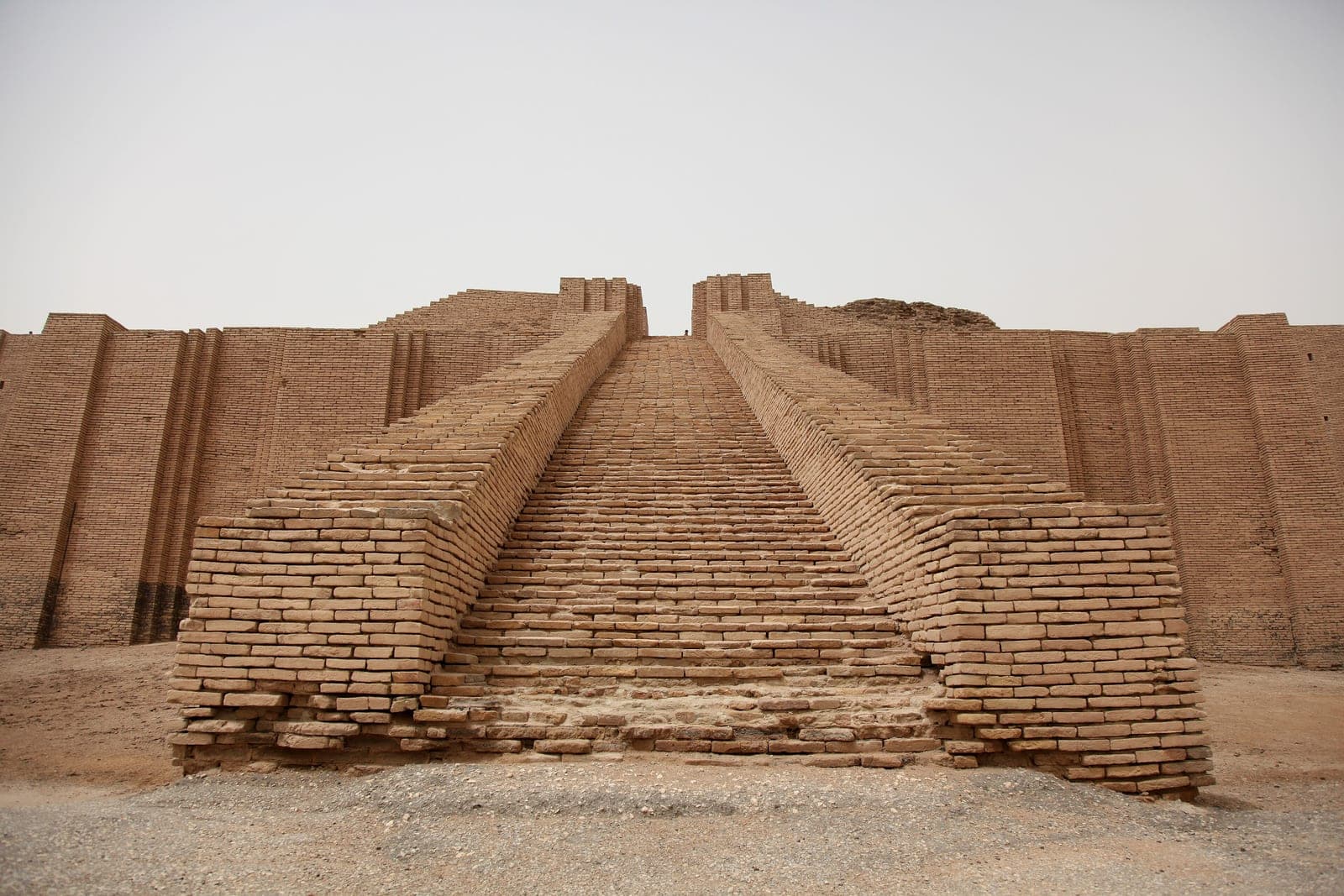
Photo: U.S. Army photo by Spc. Samantha R. Ciaramitaro, via DVIDS and Wikimedia Commons. License: Public domain in the United States — U.S. federal-government work. Source. Location: Great Ziggurat, Ur Archaeological City (Tell el-Mukayyar), Dhi Qar Governorate, Iraq. Resized for the web.
Explore the places of the Bible
See where biblical events happened, why each place matters, and what archaeology helps us understand.
Ur
The city Abram's family left to travel toward Canaan.
Get full access with one subscription
Explore the people and places of the Bible. Read summaries of every book, with images and clear explanations covering every chapter. Access all these features and our Bible study tools with one subscription.
See PlansAsk AI about Exodus 12:43
Ask a question about this verse and get a clear answer, with Bible references you can read for yourself.
Every Bible book, explained chapter by chapter
Explore summaries of every book of the Bible, with images and easy-to-understand explanations covering every chapter.
Keep studying Exodus 12:43
Related Bible verses
At a Glance — the Book of Exodus
- Author
- Traditionally attributed to Moses
- Written
- Around 1400 BC
- Genre
- Law (Pentateuch)
- Original Audience
- The Israelites in the wilderness
Frequently Asked Questions
Quick, clear answers about this verse
What does Exodus 12:43 mean?
Exodus 12:43 outlines God's instructions regarding the Passover, stating that only Israelites can partake in the meal. This emphasizes the importance of community and belonging in the celebration of their liberation from Egypt.
What is the significance of the Passover in Exodus 12:43?
The Passover commemorates the Israelites' escape from slavery in Egypt, symbolizing freedom and divine protection. The restrictions on who can eat the Passover highlight the event's deep connection to the identity of the Israelite community.
Who is considered a 'foreigner' in Exodus 12:43?
In Exodus 12:43, a 'foreigner' refers to anyone who is not part of the Israelite community. This distinction emphasizes the exclusivity of the Passover meal to those who share in the covenant with God.
Why can't foreigners eat the Passover according to Exodus 12:43?
Foreigners are not allowed to eat the Passover to maintain the sacredness of the event, which is tied to the Israelites' identity and history. This rule reinforces the idea of community and shared experiences among the Israelites.
Daily Verse — straight to your inbox
A verse and a 2-sentence plain-English explanation, every morning. Free. Unsubscribe anytime.