Old Testament
Exodus 16:36
Read the Bible in clear, modern English—easy to understand, faithful to the meaning, and written for everyday readers.
An omer is 1/10 of an ephah.
Compare translations
Now an omer is the tenth part of an ephah.
What Exodus 16:36 means
Plain-English insight for readers
In this verse, we learn about a specific measurement used in ancient times. An omer is defined as one-tenth of an ephah, which helps us understand how people measured grain. This measurement was important for daily living, especially when gathering food. It shows us that even in the smallest details, there was a system in place. The omer was a practical unit that made it easier for families to manage their resources. By knowing how much an omer is, we can appreciate the careful planning that went into their lives. This verse reminds us that every detail matters, whether in ancient times or today. Understanding these measurements can help us connect with the daily lives of those who lived in biblical times, making their experiences more relatable and real to us today. It emphasizes the importance of organization and resource management in our own lives as well, encouraging us to be mindful of how we measure and allocate our resources effectively. This connection to the past enriches our understanding of the present.
How to apply Exodus 16:36 to your life
We can apply this lesson by being mindful of how we measure and manage our own resources. Just as the ancient people had systems in place, we should create our own methods for budgeting and planning. This can lead to a more organized and fulfilling life. Remember, every detail counts in our daily decisions and actions. Take time to reflect on your resource management today and make adjustments as needed to improve your life balance.
Curated for this public verse page. Exodus Summary
Learn the Bible through its people and places
Get to know the people in Scripture through illustrated stories, and explore the places where they lived and traveled.

Illustrated scene from Moses's story: Manna and Quail (Exodus 16:1–36)
Meet the people of the Bible
Follow their lives in order, with illustrated scenes and Bible passages that tell their stories.
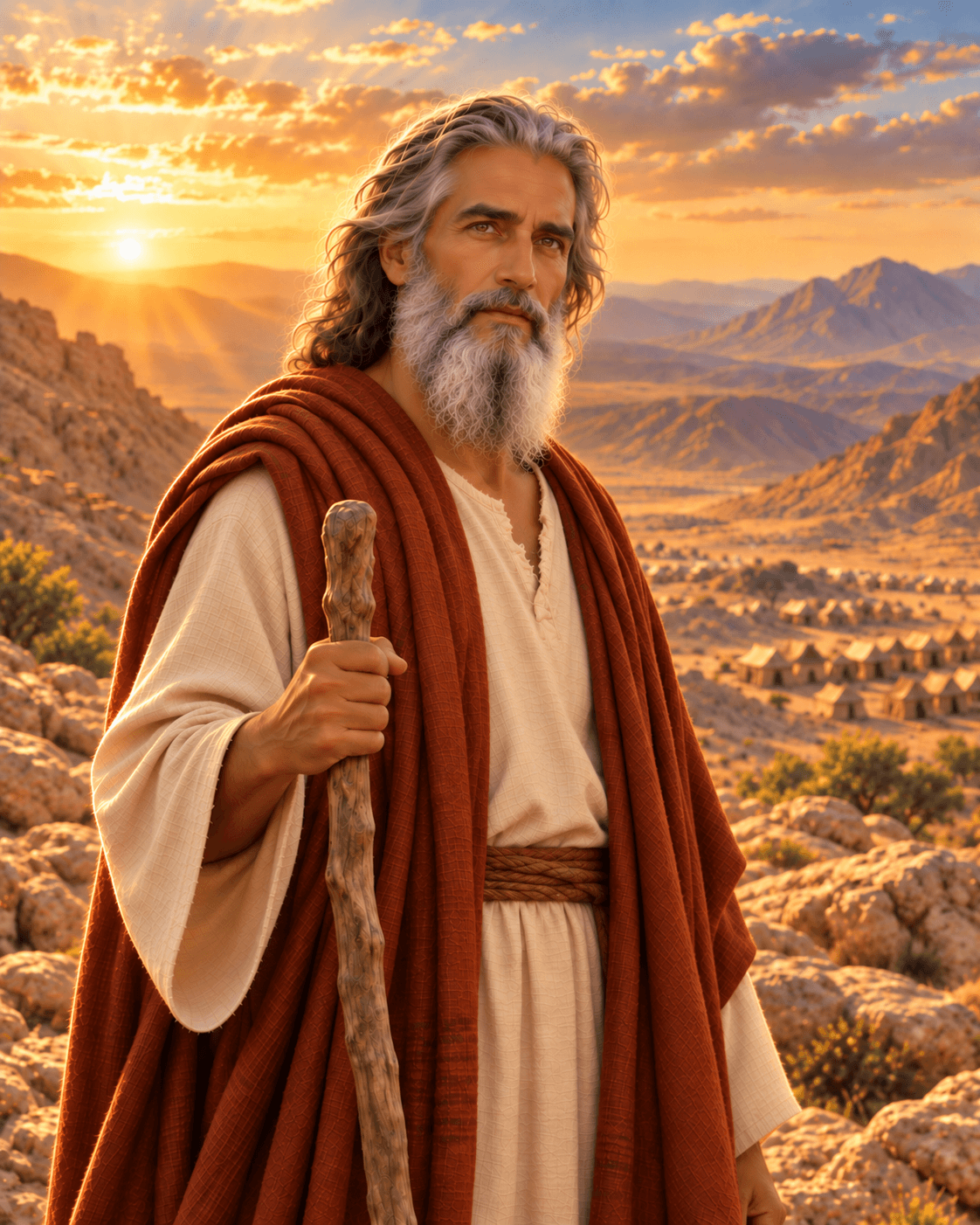 Moses
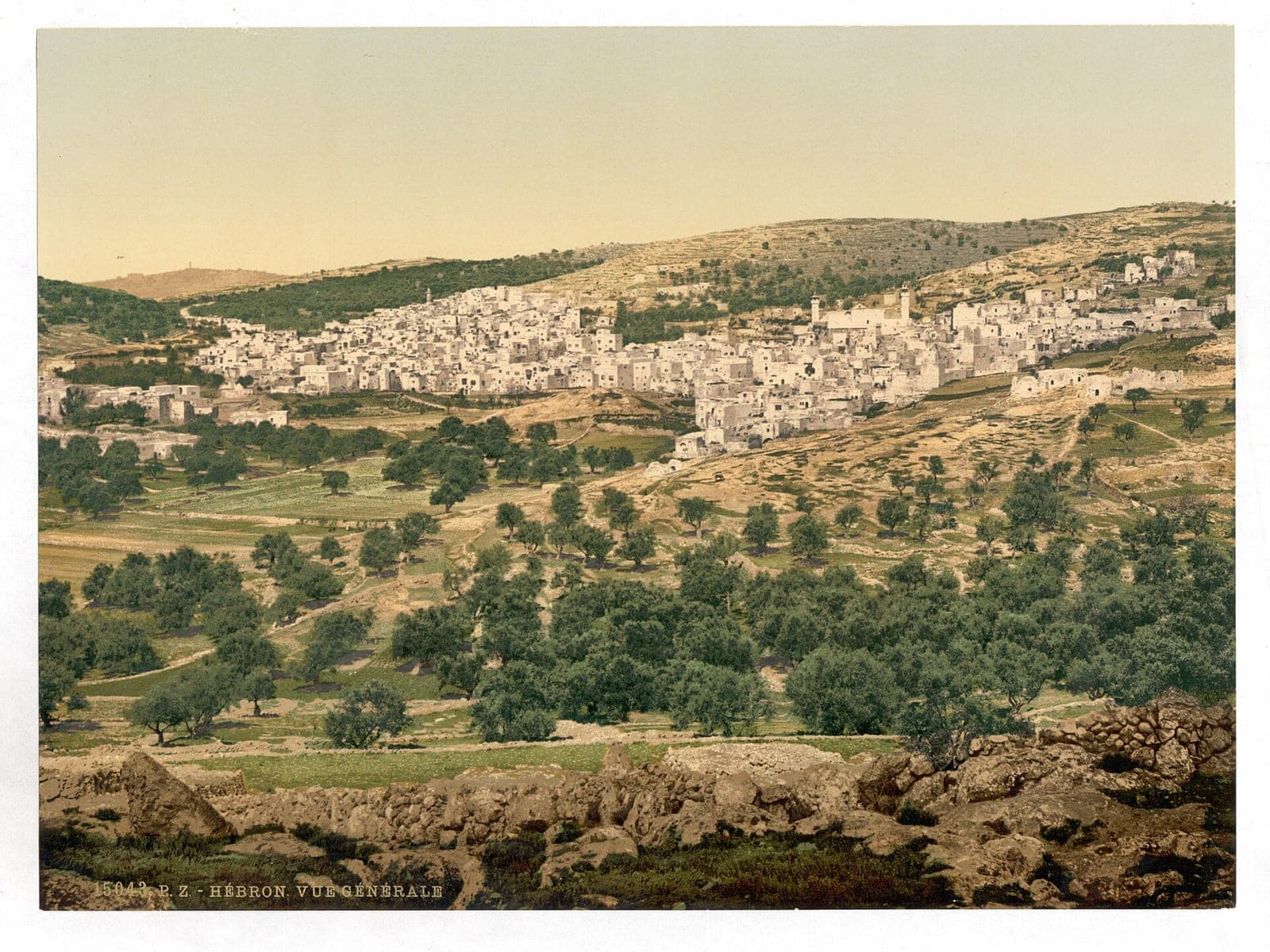
Photo: Photochrom print, Library of Congress Prints and Photographs Division (LCCN 2002724987). License: Public domain in the United States; Library of Congress states no known restrictions on publication. Source. Location: Hebron, West Bank; print preserved by the Library of Congress. Resized for the web.
Explore the places of the Bible
See where biblical events happened, why each place matters, and what archaeology helps us understand.
Hebron
Where Abraham lived and buried Sarah, and where David was first made king.
Get full access with one subscription
Explore the people and places of the Bible. Read summaries of every book, with images and clear explanations covering every chapter. Access all these features and our Bible study tools with one subscription.
See PlansAsk AI about Exodus 16:36
Ask a question about this verse and get a clear answer, with Bible references you can read for yourself.
Every Bible book, explained chapter by chapter
Explore summaries of every book of the Bible, with images and easy-to-understand explanations covering every chapter.
Keep studying Exodus 16:36
Related Bible verses
Key themes
Related topics
At a Glance — the Book of Exodus
- Author
- Traditionally attributed to Moses
- Written
- Around 1400 BC
- Genre
- Law (Pentateuch)
- Original Audience
- The Israelites in the wilderness
Frequently Asked Questions
Quick, clear answers about this verse
What does Exodus 16:36 mean?
Exodus 16:36 explains that an omer is a measurement equivalent to one-tenth of an ephah. This detail highlights how ancient people measured grain, which was essential for their daily living and resource management.
What is the meaning of 'omer' in Exodus 16:36?
In Exodus 16:36, 'omer' refers to a specific unit of measurement used in biblical times, defined as one-tenth of an ephah. Understanding this term helps us grasp how people organized and managed their food supplies.
How does Exodus 16:36 relate to resource management?
Exodus 16:36 illustrates the significance of precise measurements in managing resources effectively. By knowing that an omer is one-tenth of an ephah, we see how careful planning was crucial for daily sustenance.
Why is the measurement in Exodus 16:36 important?
The measurement in Exodus 16:36 is important because it shows how ancient people had a systematic way to measure grain, which was vital for their survival. It reflects the organization and planning necessary for managing resources.
Daily Verse — straight to your inbox
A verse and a 2-sentence plain-English explanation, every morning. Free. Unsubscribe anytime.