Old Testament
Exodus 20:10
Read the Bible in clear, modern English—easy to understand, faithful to the meaning, and written for everyday readers.
but the 7th day is a Sabbath belonging to the LORD your God. On that day, no one may do any work — not you, not your sons or daughters, not your male or female servants, not your livestock, and not any foreigner living among you.
Compare translations
But the seventh day is the sabbath of the LORD thy God: in it thou shalt not do any work, thou, nor thy son, nor thy daughter, thy manservant, nor thy maidservant, nor thy cattle, nor thy stranger that is within thy gates:
What Exodus 20:10 means
Plain-English insight for readers
The seventh day is a special day set aside for rest, dedicated to the LORD your God. This day is meant for everyone, including your family, your workers, and even your animals. It’s a time to pause from the busyness of life and focus on what truly matters. By not working, you create space to reflect, recharge, and connect with God and those around you. This command emphasizes the importance of rest in our lives, reminding us that we are not just human doings but human beings. It’s a chance to step back from our daily routines and appreciate the world around us. Observing this day helps cultivate a rhythm of work and rest, which is essential for our well-being. It’s an invitation to experience peace and renewal, allowing us to return to our tasks with fresh energy and perspective. Embracing this day can transform our lives, making us more mindful and present in our relationships and responsibilities. It’s about honoring the balance between labor and leisure, which is vital for a fulfilling life.
How to apply Exodus 20:10 to your life
Consider setting aside one day each week to rest and recharge. Use this time to connect with family and friends, reflect on your life, and engage in activities that bring you joy. Prioritizing rest can improve your overall well-being and productivity. Make it a habit to unplug from work and enjoy the moment. Embrace the peace that comes with this intentional break from routine, allowing yourself to be refreshed and renewed for the week ahead.
Curated for this public verse page. Exodus Summary
Learn the Bible through its people and places
Get to know the people in Scripture through illustrated stories, and explore the places where they lived and traveled.

Illustrated scene from Moses's story: The Ten Commandments (Exodus 20:1–21)
Meet the people of the Bible
Follow their lives in order, with illustrated scenes and Bible passages that tell their stories.
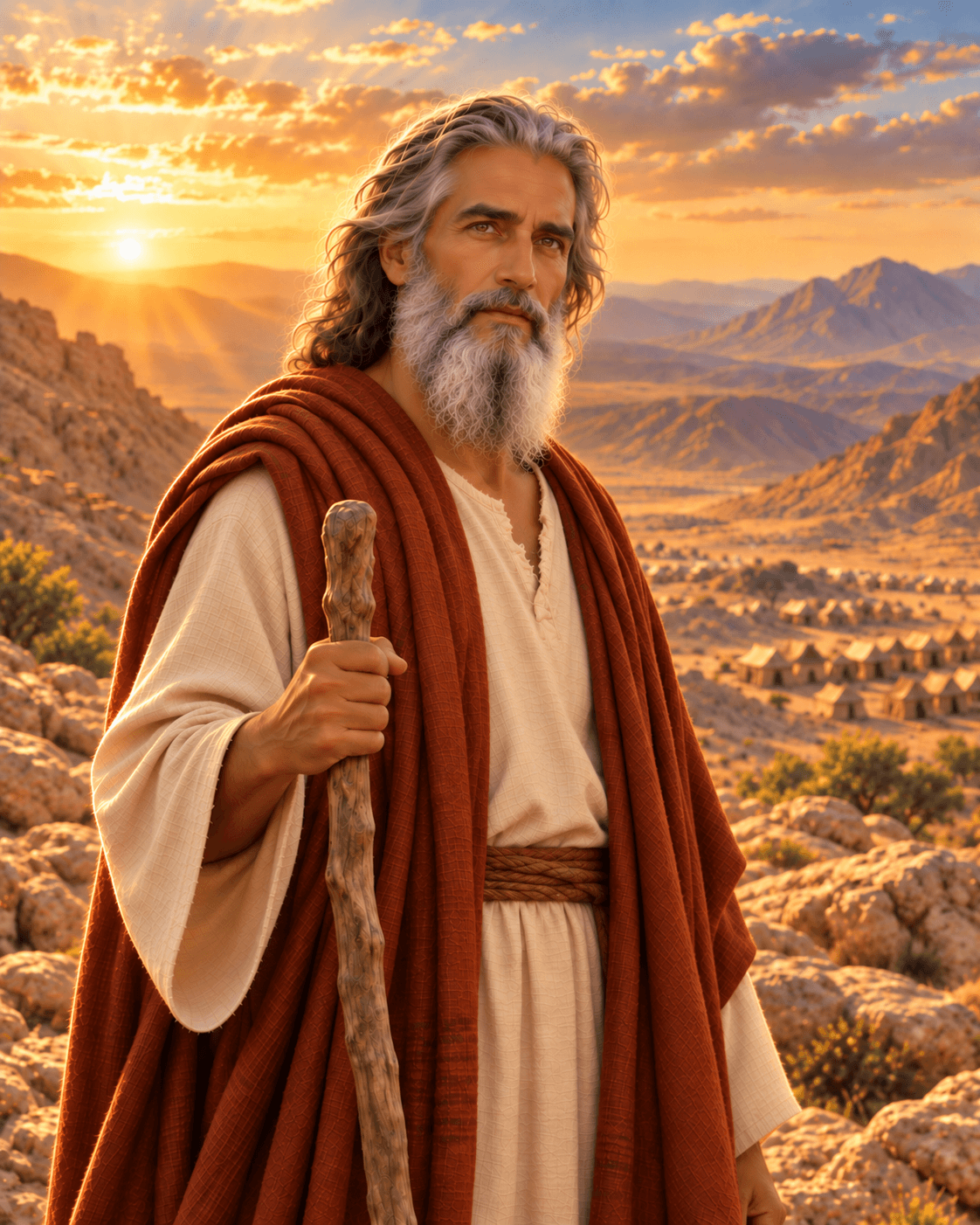 Moses
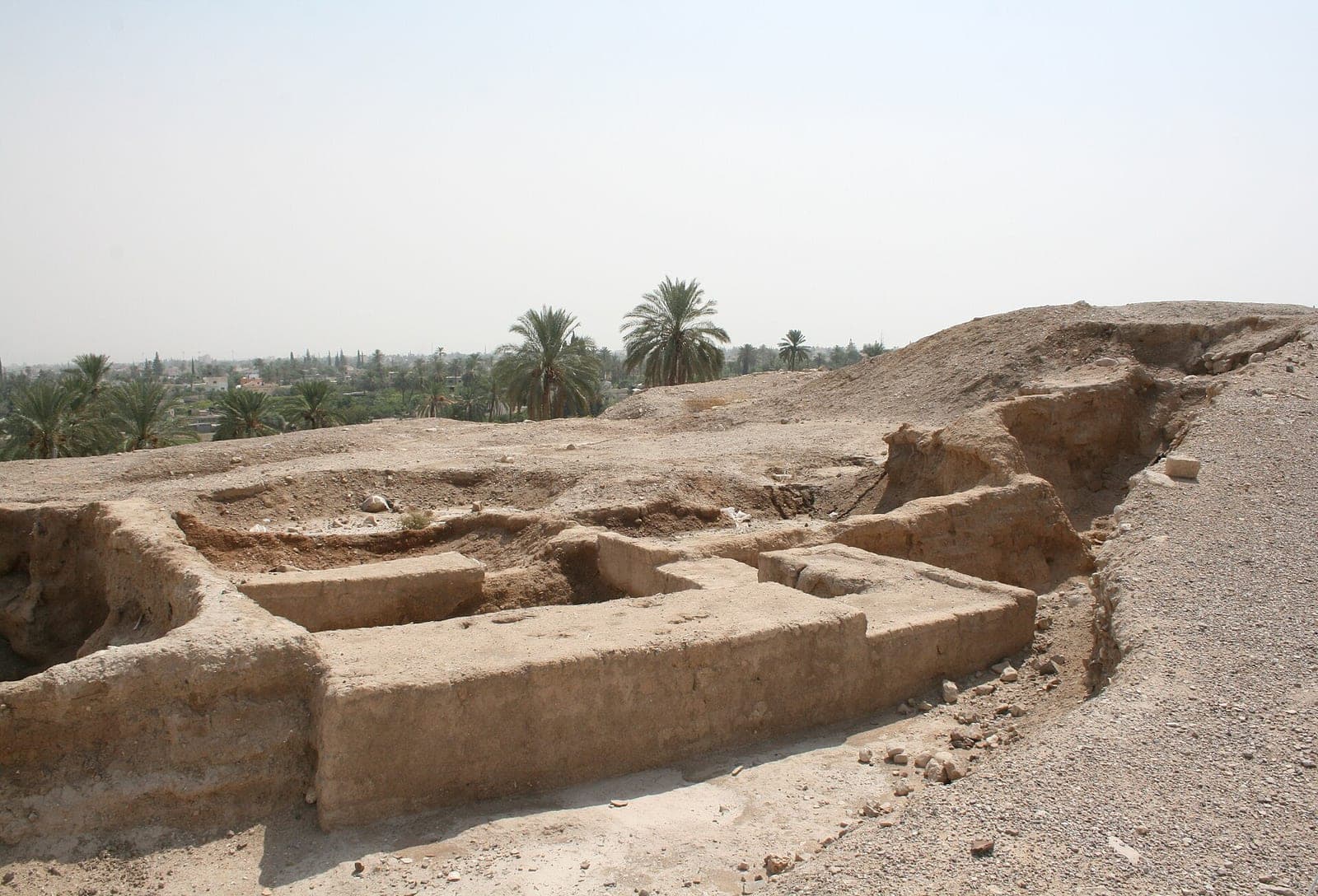
Photo: Diego Delso, via Wikimedia Commons. License: CC BY-SA 3.0. Source. Location: Tell es-Sultan, Jericho, West Bank. Resized for the web.
Explore the places of the Bible
See where biblical events happened, why each place matters, and what archaeology helps us understand.
Jericho
The city of palm trees, whose walls fell in Joshua's day.
Get full access with one subscription
Explore the people and places of the Bible. Read summaries of every book, with images and clear explanations covering every chapter. Access all these features and our Bible study tools with one subscription.
See PlansAsk AI about Exodus 20:10
Ask a question about this verse and get a clear answer, with Bible references you can read for yourself.
Every Bible book, explained chapter by chapter
Explore summaries of every book of the Bible, with images and easy-to-understand explanations covering every chapter.
Keep studying Exodus 20:10
Related Bible verses
Related topics
At a Glance — the Book of Exodus
- Author
- Traditionally attributed to Moses
- Written
- Around 1400 BC
- Genre
- Law (Pentateuch)
- Original Audience
- The Israelites in the wilderness
Frequently Asked Questions
Quick, clear answers about this verse
What does Exodus 20:10 teach about the Sabbath?
Exodus 20:10 emphasizes that the seventh day is a Sabbath dedicated to the LORD, a day of rest for everyone, including family, servants, and even animals. It highlights the importance of taking a break from work to focus on spiritual reflection and connection with God and loved ones. This commandment encourages a rhythm of work and rest, reminding us that rest is essential for our well-being.
Why is the Sabbath important in the Bible?
The Sabbath is important in the Bible as it serves as a reminder of God's creation and His rest on the seventh day. It is a time set apart for rest and worship, allowing individuals to recharge physically and spiritually. Observing the Sabbath fosters a deeper relationship with God and helps cultivate a balanced life, emphasizing the need for rest in our busy lives.
How can I observe the Sabbath in modern life?
To observe the Sabbath in modern life, consider designating one day a week for rest and reflection. Unplug from work and technology, spend quality time with family and friends, and engage in activities that bring you joy and peace. Use this time to reflect on your life, connect with God through prayer or worship, and appreciate the world around you. Prioritizing this intentional break can enhance your overall well-being.
What activities are appropriate for the Sabbath?
Appropriate activities for the Sabbath include spending time with family, engaging in worship or prayer, reading scripture, enjoying nature, and participating in hobbies that bring you joy. The focus should be on rest and rejuvenation rather than work or stress. It's a day to disconnect from the busyness of life and reconnect with what truly matters.
Daily Verse — straight to your inbox
A verse and a 2-sentence plain-English explanation, every morning. Free. Unsubscribe anytime.