Old Testament
Exodus 32:5
Read the Bible in clear, modern English—easy to understand, faithful to the meaning, and written for everyday readers.
When Aaron saw their reaction, he built an altar in front of the calf and announced, "Tomorrow there will be a feast to the LORD."
Compare translations
And when Aaron saw it, he built an altar before it; and Aaron made proclamation, and said, To morrow is a feast to the LORD.
What Exodus 32:5 means
Plain-English insight for readers
In this moment, Aaron responds to the people's demand for a visible god by creating an altar in front of the golden calf. He recognizes their excitement and decides to hold a feast in honor of the LORD. This act shows how easily people can be swayed by their desires and the influence of those around them. Instead of guiding them back to true worship, Aaron gives in to their wishes. The feast is meant to celebrate the LORD, but it is overshadowed by the idolatry of the calf. This highlights the tension between genuine faith and the temptation to conform to popular beliefs. Aaron's actions remind us that leadership requires courage to stand firm in faith, even when it’s unpopular. The situation serves as a warning about the dangers of compromising our values for acceptance. It’s a call to reflect on what we truly worship and how we express our faith in our lives today. We must be vigilant against distractions that lead us away from authentic worship and connection with God.
How to apply Exodus 32:5 to your life
Consider what you prioritize in your life. Are there distractions that pull you away from genuine faith? Reflect on how you can strengthen your commitment to true worship and resist the pressures to conform to societal expectations. Stay true to your values and beliefs, even when it's challenging. Seek authentic connections with others who share your faith journey.
Curated for this public verse page. Exodus Summary
Learn the Bible through its people and places
Get to know the people in Scripture through illustrated stories, and explore the places where they lived and traveled.

Illustrated scene from Moses's story: The Golden Calf (Exodus 32:1–35)
Meet the people of the Bible
Follow their lives in order, with illustrated scenes and Bible passages that tell their stories.
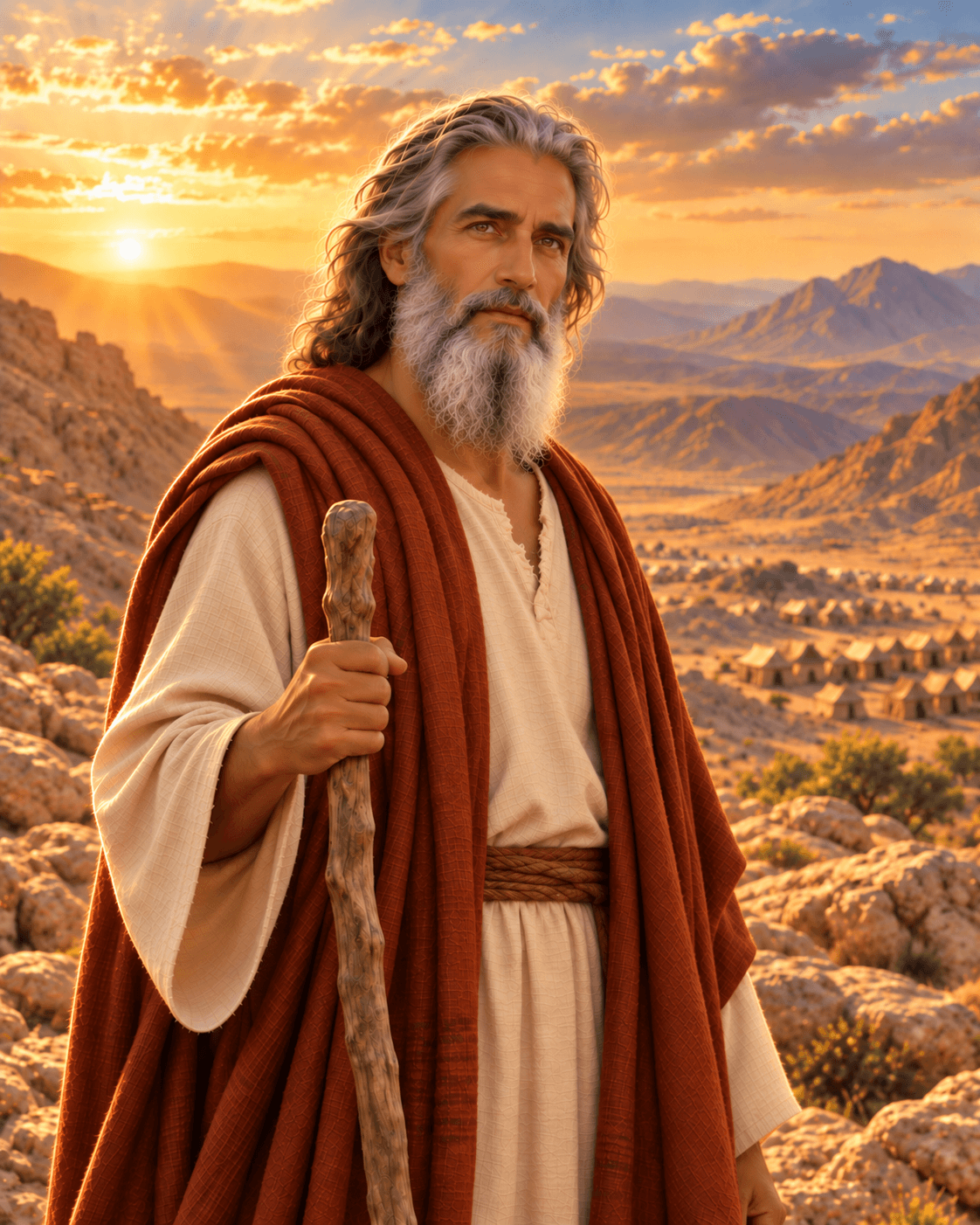 Moses
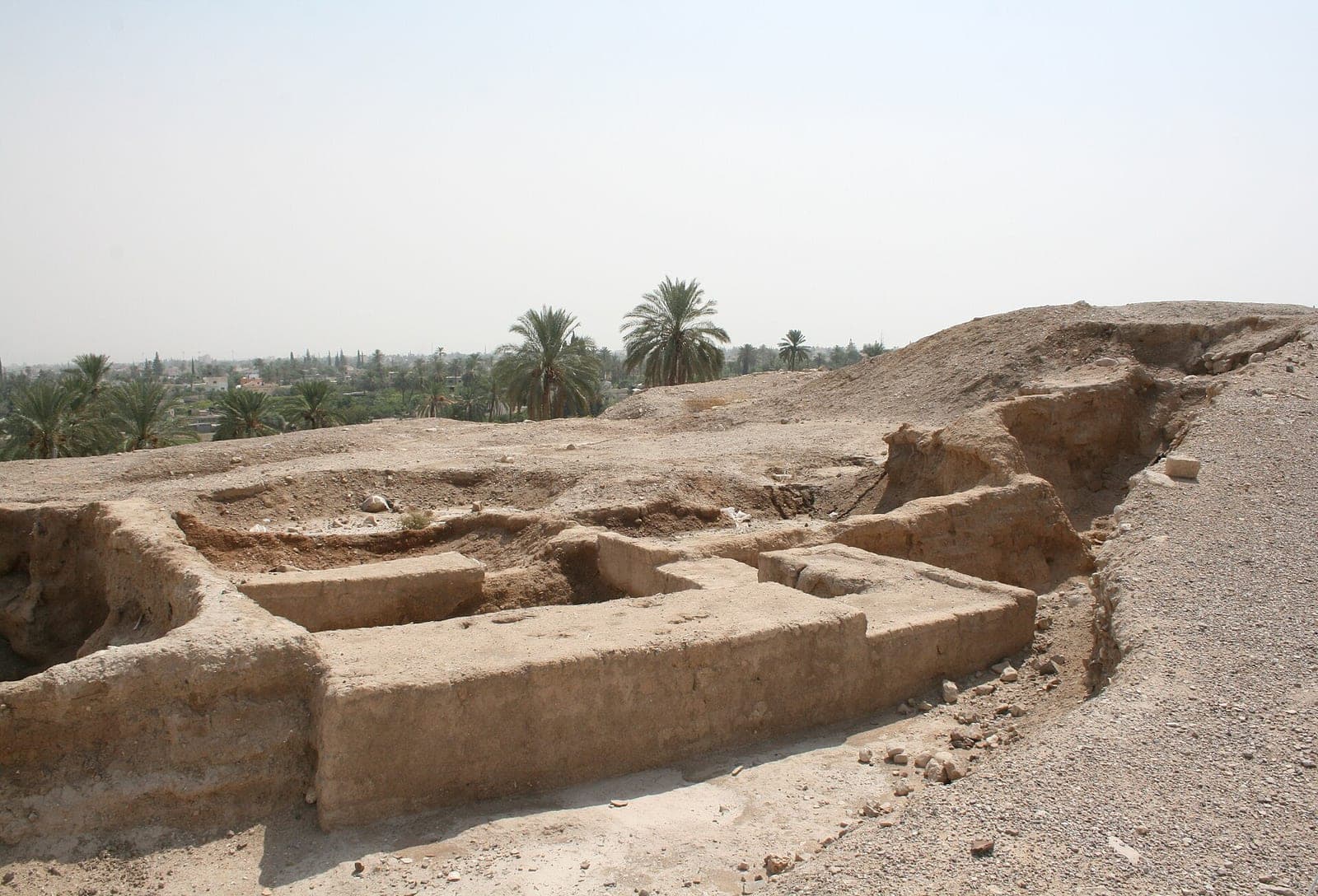
Photo: Diego Delso, via Wikimedia Commons. License: CC BY-SA 3.0. Source. Location: Tell es-Sultan, Jericho, West Bank. Resized for the web.
Explore the places of the Bible
See where biblical events happened, why each place matters, and what archaeology helps us understand.
Jericho
The city of palm trees, whose walls fell in Joshua's day.
Get full access with one subscription
Explore the people and places of the Bible. Read summaries of every book, with images and clear explanations covering every chapter. Access all these features and our Bible study tools with one subscription.
See PlansAsk AI about Exodus 32:5
Ask a question about this verse and get a clear answer, with Bible references you can read for yourself.
Every Bible book, explained chapter by chapter
Explore summaries of every book of the Bible, with images and easy-to-understand explanations covering every chapter.
Keep studying Exodus 32:5
Related Bible verses
Key themes
Related topics
At a Glance — the Book of Exodus
- Author
- Traditionally attributed to Moses
- Written
- Around 1400 BC
- Genre
- Law (Pentateuch)
- Original Audience
- The Israelites in the wilderness
Frequently Asked Questions
Quick, clear answers about this verse
What does Exodus 32:5 teach about leadership?
Exodus 32:5 illustrates the challenges of leadership, particularly when faced with popular demand. Aaron, instead of guiding the people back to true worship, succumbs to their desires by building an altar for the golden calf. This highlights the importance of standing firm in one's values and beliefs, even when it’s unpopular. True leadership requires the courage to resist peer pressure and to guide others toward authentic faith.
How does Exodus 32:5 relate to idolatry today?
In Exodus 32:5, Aaron's creation of an altar for the golden calf serves as a powerful reminder of how easily people can turn to idols. Today, idolatry may not involve physical statues but can manifest as an obsession with materialism, fame, or societal approval. This verse encourages us to examine what we prioritize in our lives and to ensure that our worship and devotion are directed solely toward God, rather than distractions that lead us away from Him.
What is the significance of the feast mentioned in Exodus 32:5?
The feast mentioned in Exodus 32:5 signifies an attempt to honor the LORD while simultaneously engaging in idolatry. It reflects the tension between genuine worship and the temptation to conform to popular beliefs. This act of celebrating a feast for God, while worshiping a golden calf, underscores the dangers of compromising true faith for acceptance. It serves as a cautionary tale about the importance of maintaining authentic worship and not allowing distractions to dilute our relationship with God.
How can we apply the lessons from Exodus 32:5 in our lives?
To apply the lessons from Exodus 32:5, reflect on your own priorities and identify any distractions that may lead you away from genuine faith. Strengthen your commitment to true worship by engaging in practices that deepen your relationship with God, such as prayer, study, and community with fellow believers. Resist societal pressures to conform by staying true to your values and beliefs, even when it’s challenging. This proactive approach can help you maintain a strong, authentic faith.
Daily Verse — straight to your inbox
A verse and a 2-sentence plain-English explanation, every morning. Free. Unsubscribe anytime.