Old Testament
Exodus 38:10
Read the Bible in clear, modern English—easy to understand, faithful to the meaning, and written for everyday readers.
These curtains hung from 20 pillars set in 20 bronze bases, with silver hooks and silver bands on the pillars.
Compare translations
Their pillars were twenty, and their brasen sockets twenty; the hooks of the pillars and their fillets were of silver.
What Exodus 38:10 means
Plain-English insight for readers
In this passage, we see a detailed description of the structure that surrounded the sacred area. The curtains were supported by twenty strong pillars, each anchored in bronze bases for stability. Silver hooks and bands adorned the pillars, adding a touch of elegance. This setup created a boundary that separated the holy space from the outside world. The use of bronze and silver symbolizes strength and beauty, reflecting the importance of what lay within. The careful construction highlights the significance of creating a sacred environment. It reminds us that the spaces we create can reflect our values and beliefs. Just as these pillars held up the curtains, our principles can support our lives. This imagery invites us to consider how we build our own lives and the foundations we choose to stand on. It encourages us to create spaces that honor what we hold dear, both physically and spiritually, in our daily lives and communities. The details serve as a reminder of the care and intention we can put into our own environments.
How to apply Exodus 38:10 to your life
Consider the spaces you inhabit daily. Are they reflective of your values and beliefs? Just as the curtains and pillars created a sacred area, you can create environments that support your principles. Take time to enhance your surroundings, making them meaningful and intentional. This can lead to a more fulfilling life experience and deeper connections with others.
Curated for this public verse page. Exodus Summary
Explore more of the Bible
Learn the Bible through its people and places
Get to know the people in Scripture through illustrated stories, and explore the places where they lived and traveled.

Illustrated scene from Noah's story: Noah Is Born (Genesis 5:28–32)
Meet the people of the Bible
Follow their lives in order, with illustrated scenes and Bible passages that tell their stories.
 Noah
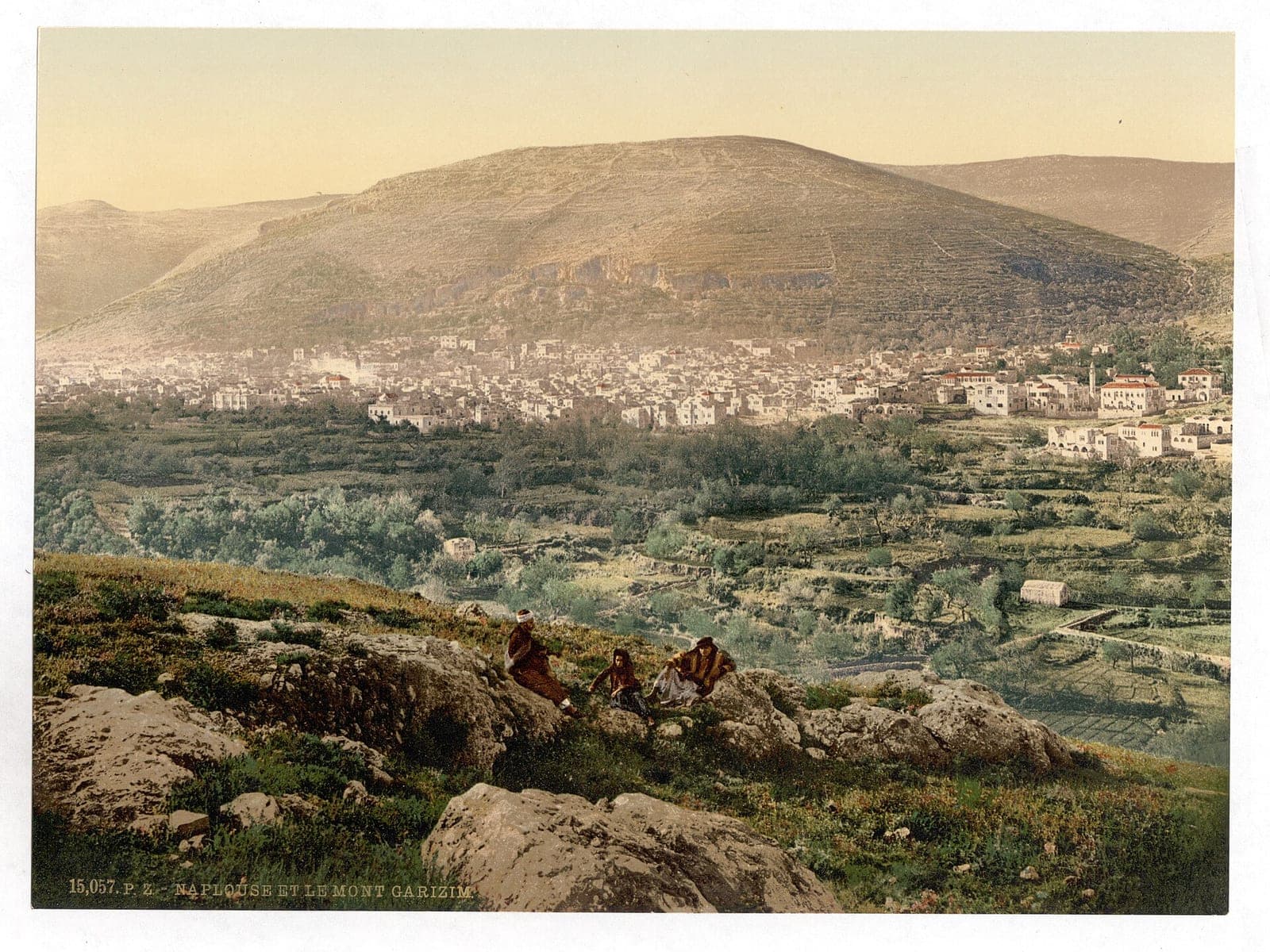
Photo: Photochrom print, Library of Congress Prints and Photographs Division (LCCN 2002725043). License: Public domain in the United States; Library of Congress states no known restrictions on publication. Source. Location: Nablus and Mount Gerizim, West Bank; print preserved by the Library of Congress. Resized for the web.
Explore the places of the Bible
See where biblical events happened, why each place matters, and what archaeology helps us understand.
Shechem
Where God promised the land to Abram, and where Joshua led Israel to renew the covenant.
Get full access with one subscription
Explore the people and places of the Bible. Read summaries of every book, with images and clear explanations covering every chapter. Access all these features and our Bible study tools with one subscription.
See PlansAsk AI about Exodus 38:10
Ask a question about this verse and get a clear answer, with Bible references you can read for yourself.
Every Bible book, explained chapter by chapter
Explore summaries of every book of the Bible, with images and easy-to-understand explanations covering every chapter.
Keep studying Exodus 38:10
Related Bible verses
Key themes
Related topics
At a Glance — the Book of Exodus
- Author
- Traditionally attributed to Moses
- Written
- Around 1400 BC
- Genre
- Law (Pentateuch)
- Original Audience
- The Israelites in the wilderness
Frequently Asked Questions
Quick, clear answers about this verse
What do the pillars in Exodus 38:10 symbolize?
The pillars in Exodus 38:10 symbolize strength and stability. They support the curtains that create a sacred boundary, reflecting the importance of having a strong foundation in our lives. Just as these pillars uphold the structure, our values and principles can provide support and guidance in our daily decisions.
Why were bronze and silver used in the construction described in Exodus 38:10?
Bronze and silver were chosen for their symbolic meanings. Bronze represents strength and durability, essential for the stability of the pillars, while silver adds an element of beauty and elegance. This combination highlights the significance of creating a sacred space that is both strong and aesthetically pleasing, reflecting the value of what lies within.
How can I apply the lessons from Exodus 38:10 to my life?
You can apply the lessons from Exodus 38:10 by evaluating your own spaces and environments. Consider whether they reflect your values and beliefs. Just as the sacred area was intentionally constructed, you can create meaningful spaces in your life that support your principles, leading to a more fulfilling and intentional existence.
What is the significance of creating a sacred space as described in Exodus 38:10?
Creating a sacred space, as described in Exodus 38:10, signifies the importance of setting boundaries that honor what we hold dear. It serves as a reminder to cultivate environments that reflect our values, fostering a sense of community and connection. This intentionality can enhance our spiritual and emotional well-being.
Daily Verse — straight to your inbox
A verse and a 2-sentence plain-English explanation, every morning. Free. Unsubscribe anytime.