Old Testament
Ezekiel 29:3
Read the Bible in clear, modern English—easy to understand, faithful to the meaning, and written for everyday readers.
Tell him, 'This is what the Lord GOD says: I am against you, Pharaoh king of Egypt, the great dragon lying in the middle of your rivers, who has said, "My river is mine, and I made it for myself."
Compare translations
Speak, and say, Thus saith the Lord GOD; Behold, I am against thee, Pharaoh king of Egypt, the great dragon that lieth in the midst of his rivers, which hath said, My river is mine own, and I have made it for myself.
What Ezekiel 29:3 means
Plain-English insight for readers
In this verse, God speaks directly to Pharaoh, the king of Egypt, using powerful imagery. He describes Pharaoh as a great dragon, symbolizing his pride and arrogance. Pharaoh believes that the Nile River, which is vital for Egypt's survival, belongs to him and that he created it. This attitude reflects a deep misunderstanding of his role and power. God is making it clear that He opposes Pharaoh's self-centeredness and claims of ownership. The river, a source of life, is not Pharaoh's to control; it is a gift from God. This message serves as a reminder that no one can claim ultimate authority over what God has created. It challenges us to recognize our dependence on God and to avoid the trap of pride. Ultimately, it emphasizes that true power and ownership belong to God alone, not to human rulers or their possessions. Pharaoh's arrogance will lead to his downfall, as God will act against him and his false sense of security in his own strength and resources. This sets the stage for God's judgment against Egypt.
How to apply Ezekiel 29:3 to your life
Reflect on areas in your life where you might be claiming ownership or control. Acknowledge that everything you have is a gift from God. Practice humility by recognizing your dependence on Him. Let go of pride and trust in God's greater plan for your life. Remember, true strength comes from God, not from ourselves or our possessions.
Curated for this public verse page. Ezekiel Summary
Explore more of the Bible
Learn the Bible through its people and places
Get to know the people in Scripture through illustrated stories, and explore the places where they lived and traveled.

Illustrated scene from Esther's story: Esther Becomes Queen (Esther 2:1–18)
Meet the people of the Bible
Follow their lives in order, with illustrated scenes and Bible passages that tell their stories.
 Esther
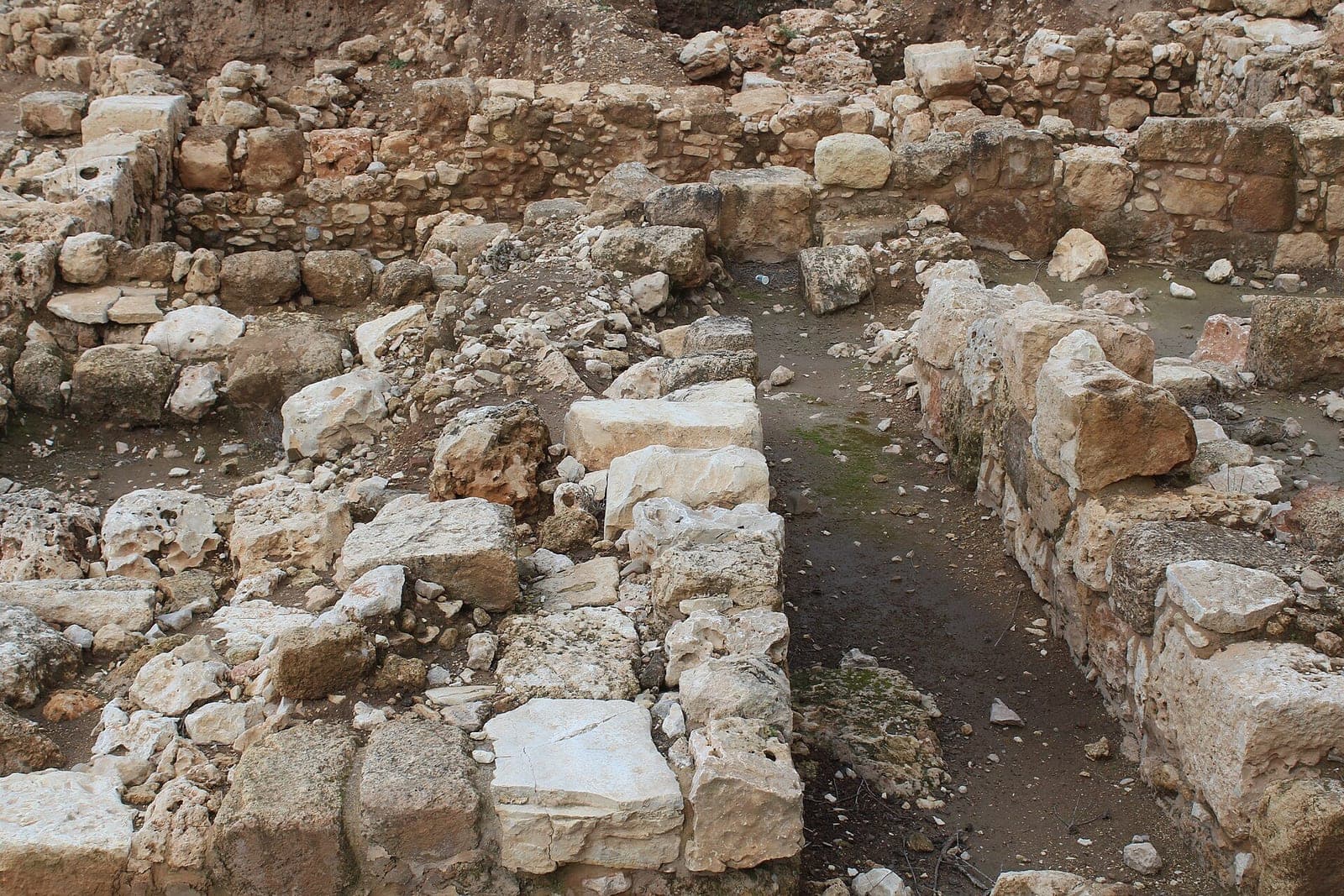
Photo: Deror Avi, via Wikimedia Commons. License: CC BY-SA 4.0. Source. Location: Tel Shiloh archaeological site, West Bank. Resized for the web.
Explore the places of the Bible
See where biblical events happened, why each place matters, and what archaeology helps us understand.
Shiloh
Where Israel set up the tabernacle, and where God called the boy Samuel.
Get full access with one subscription
Explore the people and places of the Bible. Read summaries of every book, with images and clear explanations covering every chapter. Access all these features and our Bible study tools with one subscription.
See PlansAsk AI about Ezekiel 29:3
Ask a question about this verse and get a clear answer, with Bible references you can read for yourself.
Every Bible book, explained chapter by chapter
Explore summaries of every book of the Bible, with images and easy-to-understand explanations covering every chapter.
Keep studying Ezekiel 29:3
Related Bible verses
Related topics
At a Glance — the Book of Ezekiel
- Author
- Ezekiel the prophet
- Written
- Around 590 BC
- Genre
- Prophecy
- Original Audience
- Exiled Israelites in Babylon
Frequently Asked Questions
Quick, clear answers about this verse
What does Ezekiel 29:3 mean?
Ezekiel 29:3 conveys God's message to Pharaoh of Egypt, portraying him as a proud dragon who falsely believes he owns the Nile River. This verse highlights Pharaoh's arrogance and misunderstanding of his power, emphasizing that true authority belongs to God.
What is the significance of the dragon in Ezekiel 29:3?
The dragon in Ezekiel 29:3 symbolizes Pharaoh's pride and self-importance. By referring to him as a dragon, God illustrates Pharaoh's inflated sense of control over the Nile, which is actually a divine gift.
What does 'My river is mine' mean in Ezekiel 29:3?
The phrase 'My river is mine' reflects Pharaoh's misguided belief that he created and owns the Nile River. This attitude reveals his arrogance and disconnect from the reality that all creation ultimately belongs to God.
What themes are present in Ezekiel 29:3?
Ezekiel 29:3 presents themes of pride, arrogance, God's authority, and judgment. It serves as a reminder of human dependence on God and the dangers of claiming ownership over what is divinely created.
Daily Verse — straight to your inbox
A verse and a 2-sentence plain-English explanation, every morning. Free. Unsubscribe anytime.