Old Testament
Ezekiel 39:15
Read the Bible in clear, modern English—easy to understand, faithful to the meaning, and written for everyday readers.
As these workers pass through the land, whenever someone spots a human bone, they will set up a marker beside it so the burial crews can come and take it to the Valley of Hamon-gog.
Compare translations
And the passengers that pass through the land, when any seeth a man’s bone, then shall he set up a sign by it, till the buriers have buried it in the valley of Hamongog.
What Ezekiel 39:15 means
Plain-English insight for readers
In this passage, we see a scene where workers are moving through a land that has experienced devastation. As they walk, they are on the lookout for human bones, which symbolize the loss of life and the aftermath of conflict. When they find a bone, they don’t just ignore it; instead, they take action by marking its location. This is important because it ensures that burial crews can come later to give the deceased a proper burial. The Valley of Hamon-gog is mentioned as the place where these bones will be taken, highlighting the significance of honoring the dead. This act of marking bones reflects a deep respect for life, even in the face of tragedy. It shows that, despite the chaos, there is a commitment to restoring dignity and order. This passage reminds us of the importance of acknowledging loss and taking steps to care for those who have passed, ensuring they are not forgotten in the aftermath of destruction. It’s a powerful image of hope and respect amidst despair.
How to apply Ezekiel 39:15 to your life
In our lives, we can learn from this passage the importance of honoring those we have lost. Whether through memorials, remembrance, or simply sharing stories, we can keep their memory alive. Taking time to acknowledge loss helps us heal and brings closure to those affected by grief. It’s a way to show love and respect for those who have passed on, ensuring they are not forgotten in our hearts and minds.
Curated for this public verse page. Ezekiel Summary
Explore more of the Bible
Learn the Bible through its people and places
Get to know the people in Scripture through illustrated stories, and explore the places where they lived and traveled.

Illustrated scene from Moses's story: Israel Enslaved in Egypt (Exodus 1:8–22)
Meet the people of the Bible
Follow their lives in order, with illustrated scenes and Bible passages that tell their stories.
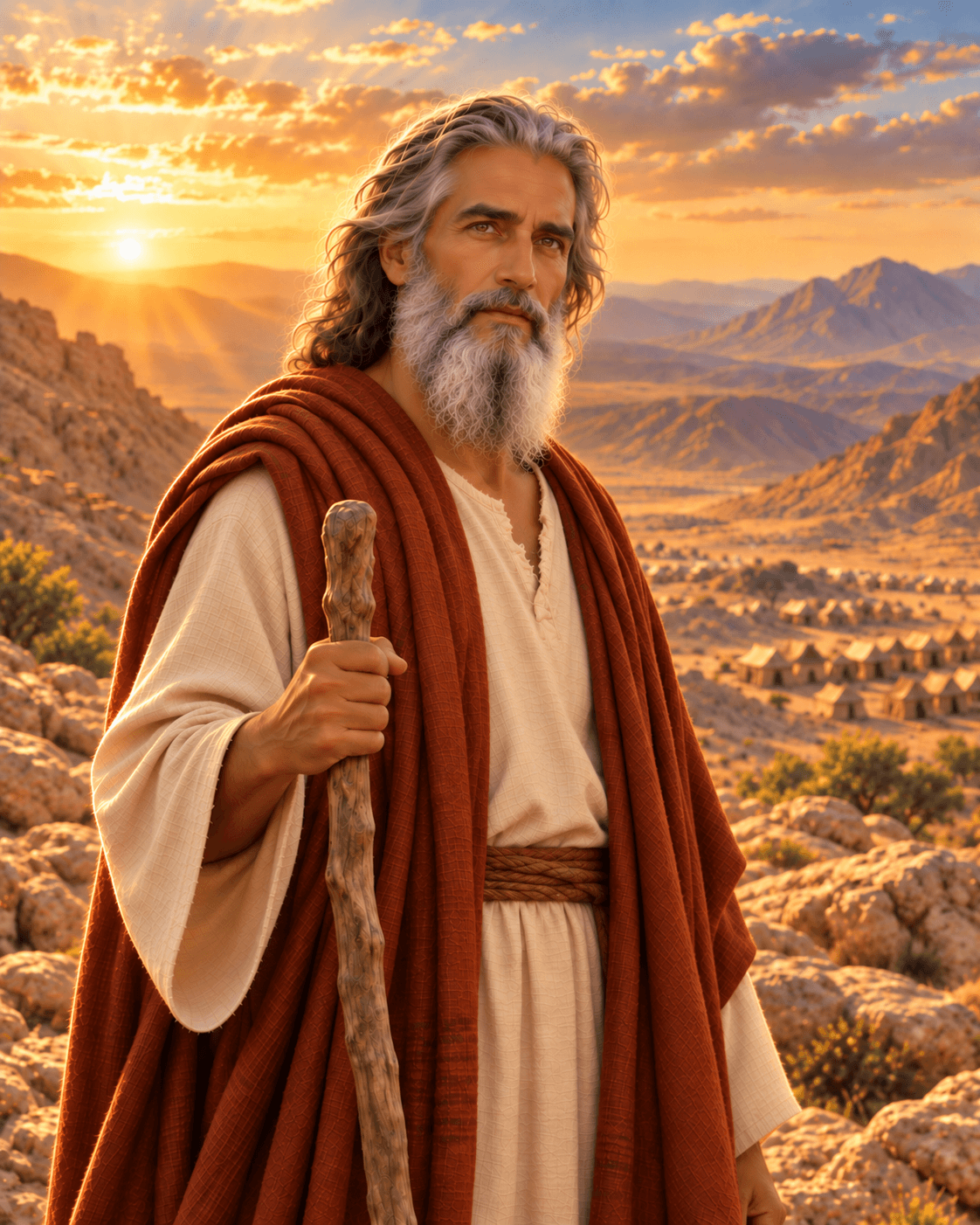 Moses
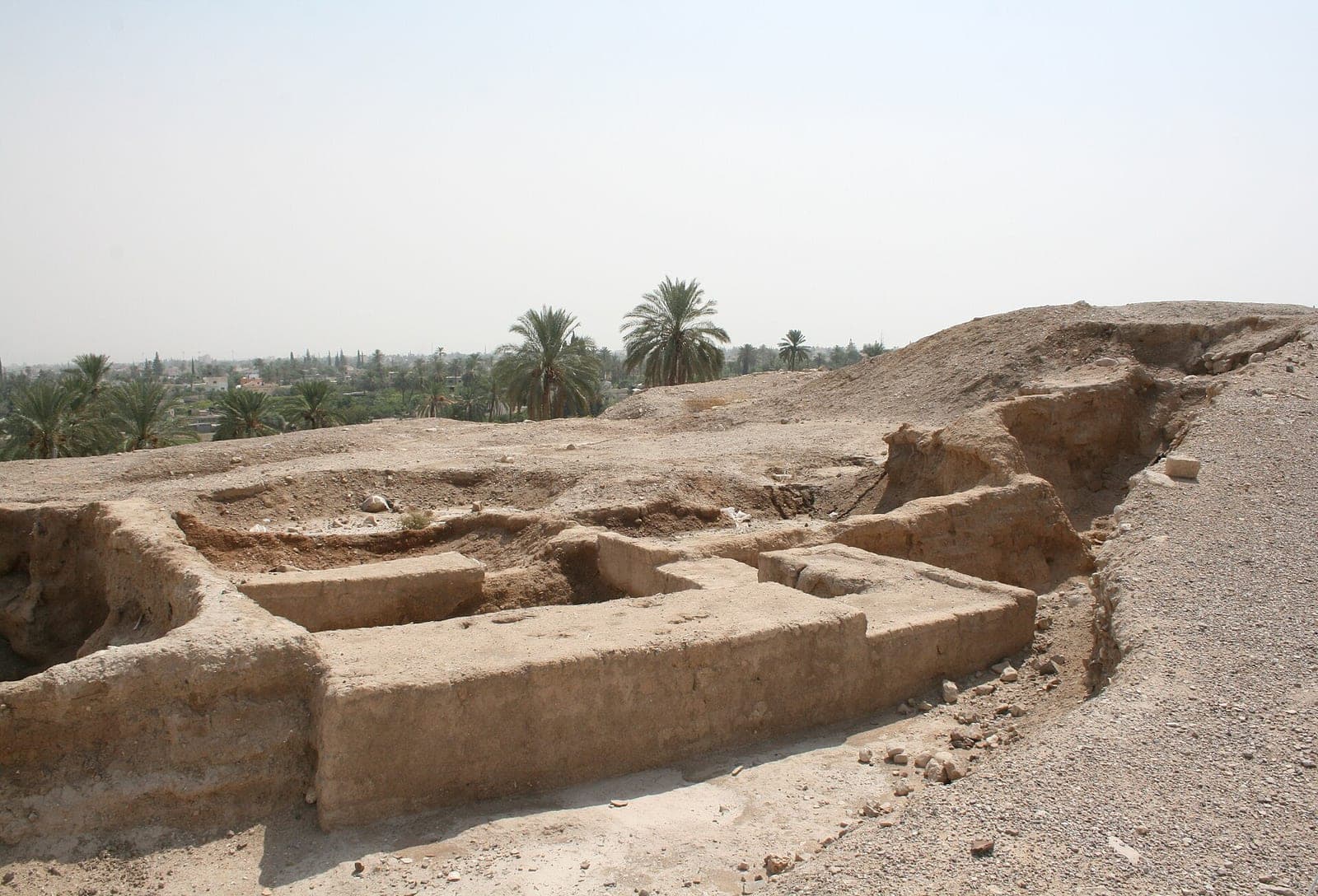
Photo: Diego Delso, via Wikimedia Commons. License: CC BY-SA 3.0. Source. Location: Tell es-Sultan, Jericho, West Bank. Resized for the web.
Explore the places of the Bible
See where biblical events happened, why each place matters, and what archaeology helps us understand.
Jericho
The city of palm trees, whose walls fell in Joshua's day.
Get full access with one subscription
Explore the people and places of the Bible. Read summaries of every book, with images and clear explanations covering every chapter. Access all these features and our Bible study tools with one subscription.
See PlansAsk AI about Ezekiel 39:15
Ask a question about this verse and get a clear answer, with Bible references you can read for yourself.
Every Bible book, explained chapter by chapter
Explore summaries of every book of the Bible, with images and easy-to-understand explanations covering every chapter.
Keep studying Ezekiel 39:15
Related Bible verses
Key themes
Related topics
At a Glance — the Book of Ezekiel
- Author
- Ezekiel the prophet
- Written
- Around 590 BC
- Genre
- Prophecy
- Original Audience
- Exiled Israelites in Babylon
Frequently Asked Questions
Quick, clear answers about this verse
What does Ezekiel 39:15 mean about finding bones?
Ezekiel 39:15 describes a process where workers in a devastated land actively search for human bones. When they find one, they mark its location for burial crews. This act signifies respect for the deceased and the importance of giving proper burials, even amidst chaos. It highlights the need to honor those who have lost their lives and to restore dignity in the aftermath of conflict.
Why is the Valley of Hamon-gog significant?
The Valley of Hamon-gog, mentioned in Ezekiel 39:15, serves as a designated burial site for the bones found in the land. Its significance lies in the act of honoring the dead and ensuring they receive a proper burial. This reflects the broader theme of restoration and respect for life, emphasizing the importance of acknowledging loss and providing dignity to those who have passed.
How can we apply Ezekiel 39:15 in modern life?
Ezekiel 39:15 teaches us the importance of honoring and remembering those we have lost. In modern life, this can be applied through memorial services, sharing stories, or creating spaces for remembrance. Acknowledging loss helps in the healing process and ensures that the memories of loved ones are preserved, showing respect and love for those who have passed.
What themes are present in Ezekiel 39:15?
Ezekiel 39:15 encompasses themes of respect for the dead, restoration, dignity, and the process of mourning. It emphasizes the importance of acknowledging loss and taking steps to care for the deceased, reflecting a commitment to honoring life even in the face of tragedy. These themes resonate with the human experience of grief and the need for closure.
Daily Verse — straight to your inbox
A verse and a 2-sentence plain-English explanation, every morning. Free. Unsubscribe anytime.