New Testament
Galatians 6:7
Read the Bible in clear, modern English—easy to understand, faithful to the meaning, and written for everyday readers.
Don't be fooled — no one makes a mockery of God. Whatever a person plants, that's exactly what they'll harvest.
Compare translations
Be not deceived; God is not mocked: for whatsoever a man soweth, that shall he also reap.
What Galatians 6:7 means
Plain-English insight for readers
This verse reminds us that our actions have consequences. Just like a farmer plants seeds and later gathers a harvest, our choices lead to results in our lives. If we do good, we can expect good outcomes, but if we act poorly, we will face negative consequences. It's a straightforward principle: you can't trick God. He sees everything, and what we do will come back to us. This isn't just about punishment; it's about the natural order of life. When we invest in kindness, love, and integrity, we cultivate a life filled with those same qualities. Conversely, if we sow negativity, selfishness, or deceit, we will reap those results too. Understanding this can motivate us to make better choices, knowing that our actions shape our future. So, let’s be mindful of what we plant in our lives, as it will determine what we harvest down the road. This principle encourages us to live with intention and purpose, fostering a life that reflects our values and aspirations, ultimately leading to fulfillment.
How to apply Galatians 6:7 to your life
Consider the choices you make daily. Are they leading you toward the life you desire? Reflect on your actions and their potential outcomes. By consciously choosing to sow positivity and kindness, you can create a more fulfilling and rewarding life for yourself and those around you. Remember, what you plant is what you will harvest later on.
Curated for this public verse page. Galatians Summary
Explore more of the Bible
Learn the Bible through its people and places
Get to know the people in Scripture through illustrated stories, and explore the places where they lived and traveled.

Illustrated scene from Paul's story: The Stoning of Stephen (Acts 7:57–8:2)
Meet the people of the Bible
Follow their lives in order, with illustrated scenes and Bible passages that tell their stories.
 Paul
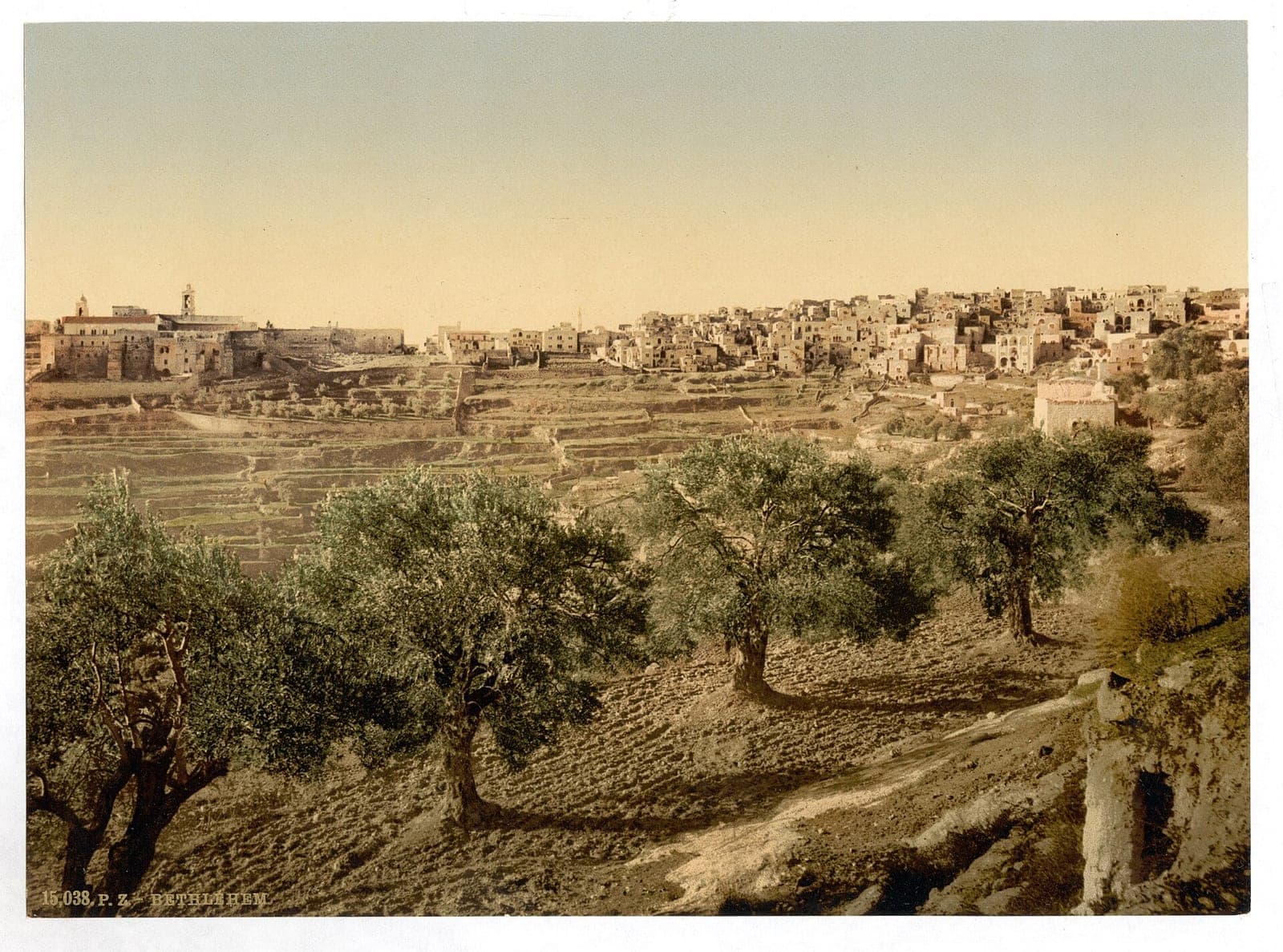
Photo: Photochrom print, Library of Congress Prints and Photographs Division (LCCN 2002724966). License: Public domain in the United States; Library of Congress states no known restrictions on publication. Source. Location: Bethlehem, West Bank; print preserved by the Library of Congress. Resized for the web.
Explore the places of the Bible
See where biblical events happened, why each place matters, and what archaeology helps us understand.
Bethlehem
David's hometown, and the town where Jesus was born.
Get full access with one subscription
Explore the people and places of the Bible. Read summaries of every book, with images and clear explanations covering every chapter. Access all these features and our Bible study tools with one subscription.
See PlansAsk AI about Galatians 6:7
Ask a question about this verse and get a clear answer, with Bible references you can read for yourself.
Fuller verse explanations
Explore what a verse means, what was happening around it, and how it connects to other Bible passages.
Plain Meaning
Paul says: do not fool yourself. You cannot treat God with contempt and get away with it. The farming picture makes this clear. A farmer always harvests what he planted — nothing else. Whatever choices a person makes, the results will match those choices. No exceptions.
Read It in Context
Verse 8 shows what this looks like in practice. Living to please the flesh brings corruption. Living to please the Spirit brings everlasting life. Verse 7 sets up that contrast.
The full Clear view adds what to notice, common misreadings, and the passage that best explains this one — for Galatians 6:7 and any verse in the Bible.
Every Bible book, explained chapter by chapter
Explore summaries of every book of the Bible, with images and easy-to-understand explanations covering every chapter.
Keep studying Galatians 6:7
Related Bible verses
Key themes
Related topics
At a Glance — the Book of Galatians
- Author
- Paul the apostle
- Written
- Around AD 49
- Genre
- Letter (epistle)
- Original Audience
- The churches of Galatia
Frequently Asked Questions
Quick, clear answers about this verse
What does Galatians 6:7 mean by 'you reap what you sow'?
Galatians 6:7 emphasizes the principle that our actions directly influence the outcomes we experience in life. Just as a farmer plants seeds and later harvests crops, our choices—whether good or bad—will yield corresponding results. If we invest in positive actions like kindness and integrity, we can expect to see positive outcomes. Conversely, negative actions will lead to negative consequences. This verse serves as a reminder to be mindful of our behavior, as it shapes our future.
How can I apply Galatians 6:7 in my daily life?
To apply Galatians 6:7 in your daily life, start by reflecting on your choices and their potential consequences. Make a conscious effort to sow positivity by engaging in acts of kindness, honesty, and integrity. This could mean helping others, being truthful in your interactions, or simply showing compassion. By focusing on positive actions, you create a more fulfilling life for yourself and those around you, reinforcing the idea that what you plant today will determine your harvest tomorrow.
Does Galatians 6:7 only refer to negative actions?
No, Galatians 6:7 encompasses both positive and negative actions. The verse highlights a universal principle: whatever you sow, whether good or bad, will ultimately determine what you reap. This means that positive actions, such as generosity and love, will lead to positive outcomes, while negative actions, like deceit and selfishness, will result in negative consequences. It's a holistic view of how our choices impact our lives and the lives of others.
Why is it important to understand the message of Galatians 6:7?
Understanding the message of Galatians 6:7 is crucial because it encourages personal accountability. Recognizing that our actions have consequences can motivate us to make better choices in our daily lives. This awareness fosters a sense of responsibility and helps us cultivate a life aligned with our values and aspirations. By embracing this principle, we can create a more positive environment for ourselves and those around us, ultimately leading to a more fulfilling life.
Daily Verse — straight to your inbox
A verse and a 2-sentence plain-English explanation, every morning. Free. Unsubscribe anytime.