Old Testament
Genesis 16:5
Read the Bible in clear, modern English—easy to understand, faithful to the meaning, and written for everyday readers.
Sarai said to Abram, "This wrong against me is your fault! I placed my servant in your arms, and now that she knows she is pregnant, she treats me with contempt. Let the LORD decide between you and me."
Compare translations
And Sarai said unto Abram, My wrong be upon thee: I have given my maid into thy bosom; and when she saw that she had conceived, I was despised in her eyes: the LORD judge between me and thee.
What Genesis 16:5 means
Plain-English insight for readers
In this moment, Sarai confronts Abram about the situation with Hagar, her servant. She feels wronged and blames Abram for the contempt she now faces from Hagar, who looks down on her because of the pregnancy. Sarai's frustration is palpable; she had hoped that giving Hagar to Abram would solve their childlessness, but it only created tension. Sarai's plea to the LORD highlights her desire for justice and resolution. She feels betrayed and hurt, and she wants God to intervene in their conflict. This story illustrates the complexities of human relationships and the consequences of decisions made in desperation. Sarai's emotions reflect a deep sense of injustice and the struggle for dignity in a challenging situation. It serves as a reminder that our choices can have far-reaching effects on those around us, and we must be mindful of the impact they have on our relationships. Ultimately, Sarai seeks divine judgment, showing her belief that God can bring clarity and resolution to their troubled circumstances.
How to apply Genesis 16:5 to your life
When faced with conflict, it's important to communicate openly about feelings and responsibilities. Like Sarai, we may feel wronged in our relationships, but seeking resolution through honest dialogue can lead to healing. Trusting in a higher power for guidance can also provide clarity in difficult situations. Remember, our choices affect others deeply, so choose wisely and compassionately. “,”chapter_summary_teaser”: “Sarai confronts Abram about the consequences of their choices regarding Hagar. Her feelings of contempt and injustice
Curated for this public verse page. Genesis Summary
Learn the Bible through its people and places
Get to know the people in Scripture through illustrated stories, and explore the places where they lived and traveled.
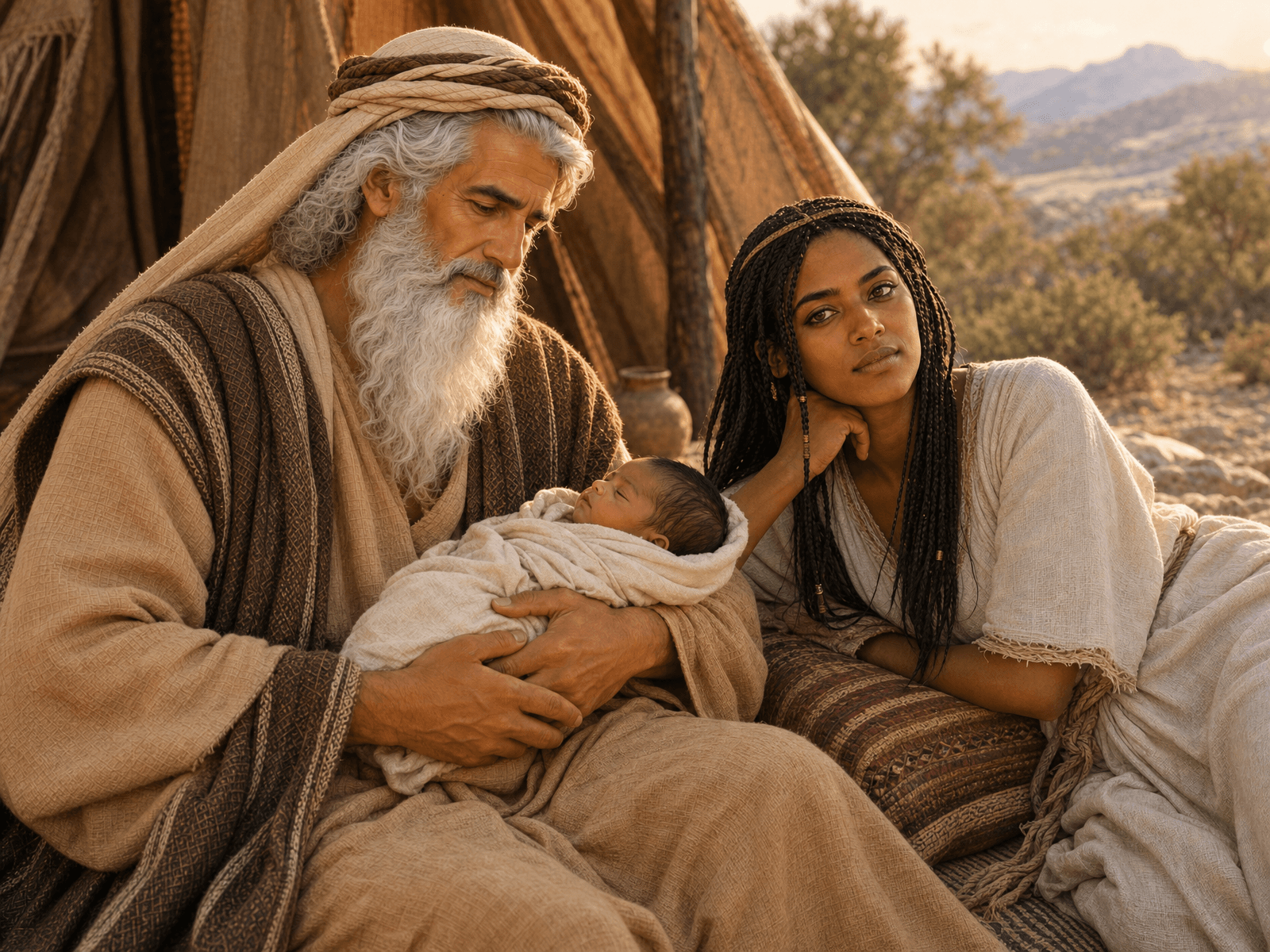
Illustrated scene from Abraham's story: Ishmael Is Born (Genesis 16:1–16)
Meet the people of the Bible
Follow their lives in order, with illustrated scenes and Bible passages that tell their stories.
 Abraham
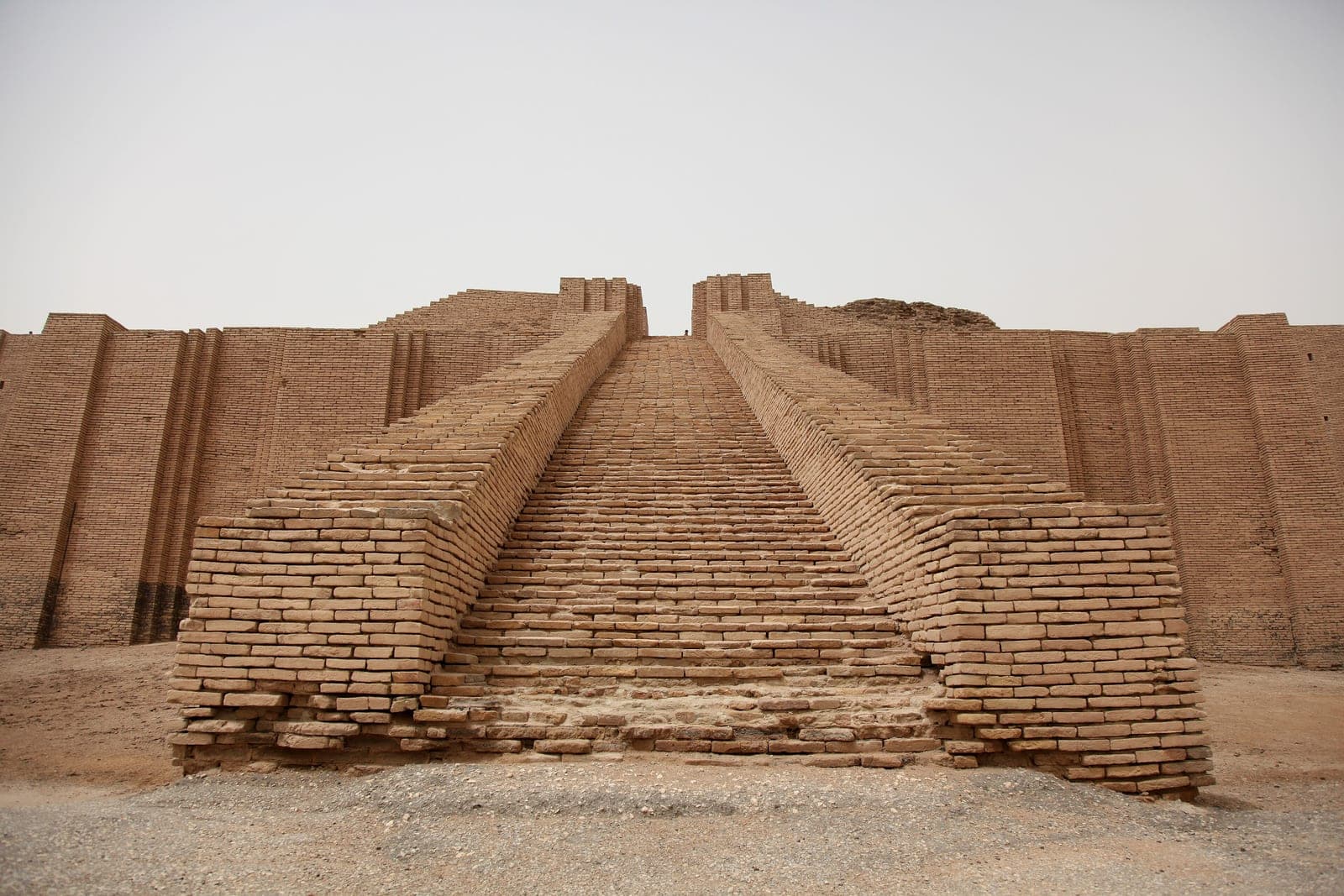
Photo: U.S. Army photo by Spc. Samantha R. Ciaramitaro, via DVIDS and Wikimedia Commons. License: Public domain in the United States — U.S. federal-government work. Source. Location: Great Ziggurat, Ur Archaeological City (Tell el-Mukayyar), Dhi Qar Governorate, Iraq. Resized for the web.
Explore the places of the Bible
See where biblical events happened, why each place matters, and what archaeology helps us understand.
Ur
The city Abram's family left to travel toward Canaan.
Get full access with one subscription
Explore the people and places of the Bible. Read summaries of every book, with images and clear explanations covering every chapter. Access all these features and our Bible study tools with one subscription.
See PlansAsk AI about Genesis 16:5
Ask a question about this verse and get a clear answer, with Bible references you can read for yourself.
Every Bible book, explained chapter by chapter
Explore summaries of every book of the Bible, with images and easy-to-understand explanations covering every chapter.
Keep studying Genesis 16:5
Related Bible verses
Key themes
Related topics
At a Glance — the Book of Genesis
- Author
- Traditionally attributed to Moses
- Written
- Around 1400 BC
- Genre
- Law (Pentateuch)
- Original Audience
- The Israelites in the wilderness
Frequently Asked Questions
Quick, clear answers about this verse
What does Sarai's complaint to Abram reveal about their relationship?
Sarai's complaint highlights the strain in her relationship with Abram due to their decision regarding Hagar. She feels betrayed and blames Abram for the contempt she faces from Hagar, indicating a breakdown in communication and trust. This moment underscores the complexities of their marriage and the consequences of their choices, reflecting how decisions made in desperation can lead to conflict and emotional turmoil.
How does Sarai's plea to the LORD reflect her feelings?
Sarai's plea to the LORD for judgment shows her deep sense of injustice and desire for resolution. She feels wronged and seeks divine intervention to address the conflict with Abram and Hagar. This appeal to God signifies her belief that He can provide clarity and justice in their troubled situation, highlighting the importance of seeking spiritual guidance during relational conflicts.
What lessons can we learn from Sarai's situation with Hagar?
Sarai's situation teaches us about the consequences of our choices and the importance of considering how our actions affect others. It serves as a reminder to communicate openly in relationships and to address feelings of resentment before they escalate. Additionally, it emphasizes the need for patience and trust in divine timing, rather than resorting to desperate measures that can complicate our lives.
Why does Sarai feel contempt from Hagar after the pregnancy?
Sarai feels contempt from Hagar because, after Hagar becomes pregnant, she begins to look down on Sarai, which Sarai interprets as a sign of disrespect. This shift in dynamics creates tension, as Sarai expected that giving Hagar to Abram would resolve their childlessness, but instead, it led to feelings of inadequacy and humiliation for Sarai. It illustrates how power dynamics can shift in relationships based on circumstances.
Daily Verse — straight to your inbox
A verse and a 2-sentence plain-English explanation, every morning. Free. Unsubscribe anytime.