Old Testament
Genesis 16:8
Read the Bible in clear, modern English—easy to understand, faithful to the meaning, and written for everyday readers.
He asked, "Hagar, servant of Sarai, where have you come from, and where are you going?" She answered, "I am running away from my mistress Sarai."
Compare translations
And he said, Hagar, Sarai’s maid, whence camest thou? and whither wilt thou go? And she said, I flee from the face of my mistress Sarai.
What Genesis 16:8 means
Plain-English insight for readers
In this moment, Hagar, a servant of Sarai, finds herself in a desperate situation. She is fleeing from her mistress, Sarai, who has treated her harshly. The question posed to her is not just about her physical location but also about her emotional state. Hagar is running away, seeking freedom and safety. This encounter highlights the importance of understanding where we come from and where we are headed in life. It invites us to reflect on our own journeys and the challenges we face. Hagar's response reveals her vulnerability and the pain of her circumstances. This dialogue emphasizes the need for compassion and support for those who feel trapped or oppressed. It reminds us that everyone has a story worth hearing, and sometimes, a simple question can open the door to healing and understanding. Hagar's experience is a powerful reminder of the struggles many face and the importance of empathy in our interactions with others. Her journey is one of seeking hope and a better future.
How to apply Genesis 16:8 to your life
When faced with difficult situations, it's important to pause and reflect on our own paths. Like Hagar, we may need to seek help or guidance. Listening to others' stories can foster understanding and compassion. Let's be open to asking questions that can lead to healing and connection in our lives and communities.
Curated for this public verse page. Genesis Summary
Learn the Bible through its people and places
Get to know the people in Scripture through illustrated stories, and explore the places where they lived and traveled.
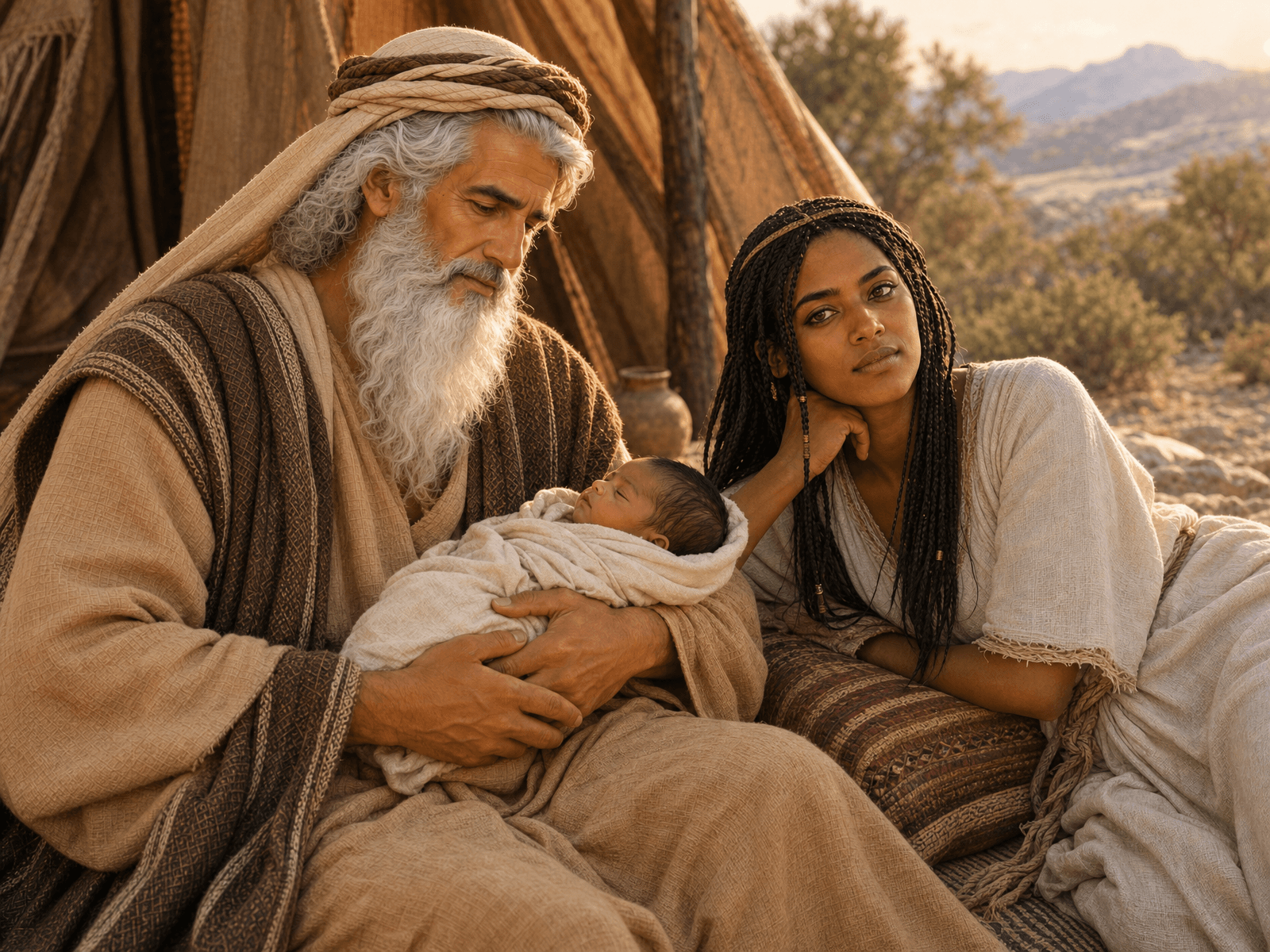
Illustrated scene from Abraham's story: Ishmael Is Born (Genesis 16:1–16)
Meet the people of the Bible
Follow their lives in order, with illustrated scenes and Bible passages that tell their stories.
 Abraham
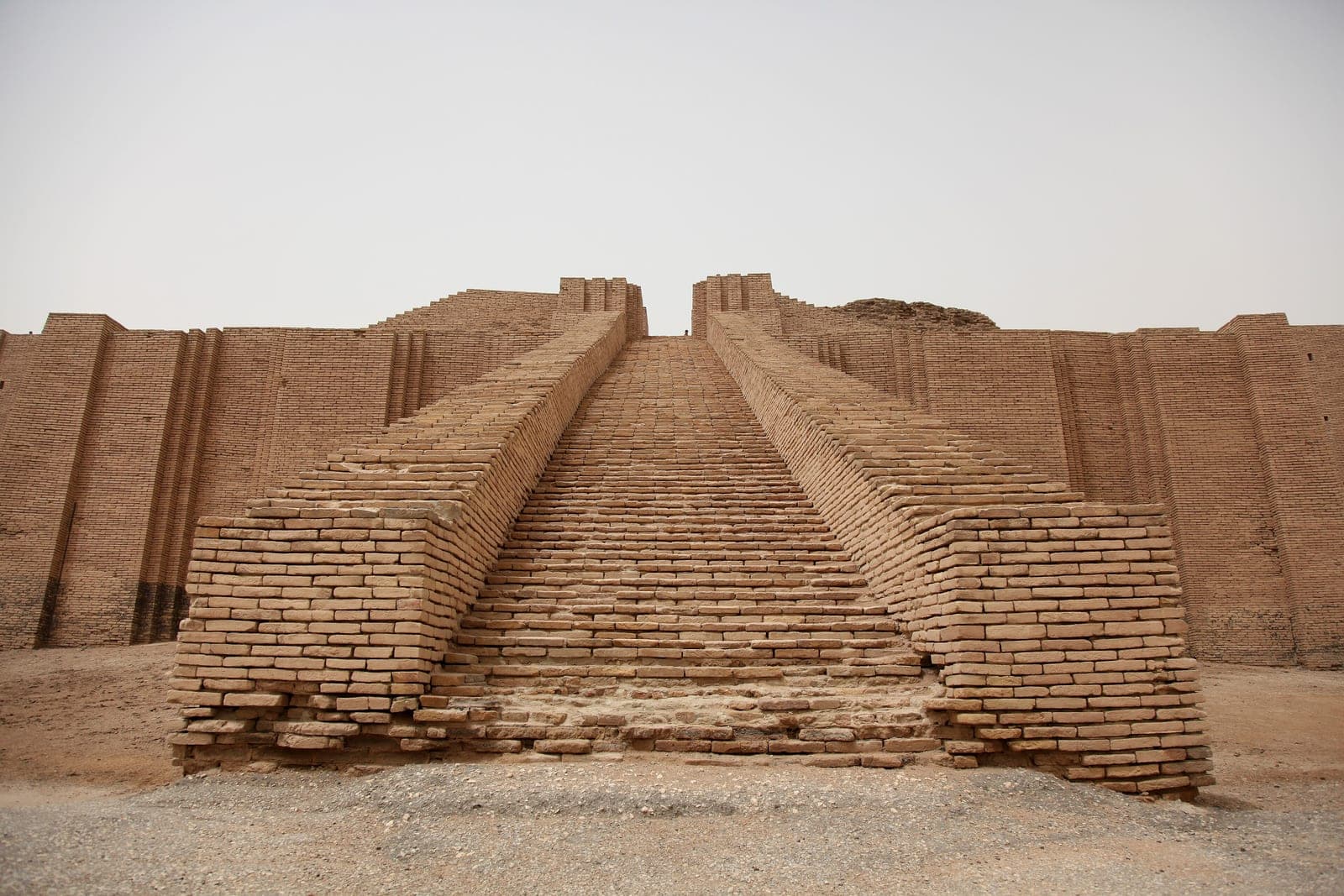
Photo: U.S. Army photo by Spc. Samantha R. Ciaramitaro, via DVIDS and Wikimedia Commons. License: Public domain in the United States — U.S. federal-government work. Source. Location: Great Ziggurat, Ur Archaeological City (Tell el-Mukayyar), Dhi Qar Governorate, Iraq. Resized for the web.
Explore the places of the Bible
See where biblical events happened, why each place matters, and what archaeology helps us understand.
Ur
The city Abram's family left to travel toward Canaan.
Get full access with one subscription
Explore the people and places of the Bible. Read summaries of every book, with images and clear explanations covering every chapter. Access all these features and our Bible study tools with one subscription.
See PlansAsk AI about Genesis 16:8
Ask a question about this verse and get a clear answer, with Bible references you can read for yourself.
Every Bible book, explained chapter by chapter
Explore summaries of every book of the Bible, with images and easy-to-understand explanations covering every chapter.
Keep studying Genesis 16:8
Related Bible verses
Related topics
At a Glance — the Book of Genesis
- Author
- Traditionally attributed to Moses
- Written
- Around 1400 BC
- Genre
- Law (Pentateuch)
- Original Audience
- The Israelites in the wilderness
Frequently Asked Questions
Quick, clear answers about this verse
What does Genesis 16:8 mean?
Genesis 16:8 depicts Hagar, Sarai's servant, in a moment of distress as she flees from her harsh treatment. The verse highlights her vulnerability and the importance of understanding one's past and future.
What is the significance of Hagar's response in Genesis 16:8?
Hagar's response reveals her desperation and the pain of her situation. It emphasizes the need for compassion and understanding towards those who feel oppressed or trapped.
What does 'where have you come from' mean in Genesis 16:8?
The phrase 'where have you come from' invites reflection on Hagar's past experiences and the hardships she has faced, highlighting her journey and emotional state.
How does Genesis 16:8 relate to themes of compassion?
Genesis 16:8 underscores the importance of listening to others' stories, as Hagar's plight calls for empathy and support for those in difficult circumstances.
Daily Verse — straight to your inbox
A verse and a 2-sentence plain-English explanation, every morning. Free. Unsubscribe anytime.