Old Testament
Genesis 23:7
Read the Bible in clear, modern English—easy to understand, faithful to the meaning, and written for everyday readers.
Abraham got up and bowed low before the people of the land, the sons of Heth.
Compare translations
And Abraham stood up, and bowed himself to the people of the land, even to the children of Heth.
What Genesis 23:7 means
Plain-English insight for readers
In this moment, Abraham demonstrates respect and humility as he approaches the people of the land, known as the sons of Heth. By bowing low, he acknowledges their status and seeks to establish a relationship based on mutual respect. This act is significant because it shows Abraham's understanding of the importance of cultural customs and social etiquette. He is not just a powerful figure; he is also a man of integrity who values the opinions and feelings of others. This interaction sets the stage for future negotiations regarding the purchase of a burial site for his wife, Sarah. Abraham's respectful demeanor helps to create a favorable atmosphere for discussion, highlighting the importance of kindness and diplomacy in our dealings with others. His actions remind us that showing respect can open doors and foster goodwill, even in challenging situations. Abraham's example encourages us to approach others with humility and grace, regardless of our own status or circumstances.
How to apply Genesis 23:7 to your life
When interacting with others, especially in unfamiliar situations, remember the importance of showing respect. A simple gesture, like bowing or greeting someone warmly, can create a positive environment. Approach conversations with humility, and you may find that people are more open to collaboration and understanding. Your kindness can make a lasting impact on relationships and negotiations.
Curated for this public verse page. Genesis Summary
Learn the Bible through its people and places
Get to know the people in Scripture through illustrated stories, and explore the places where they lived and traveled.
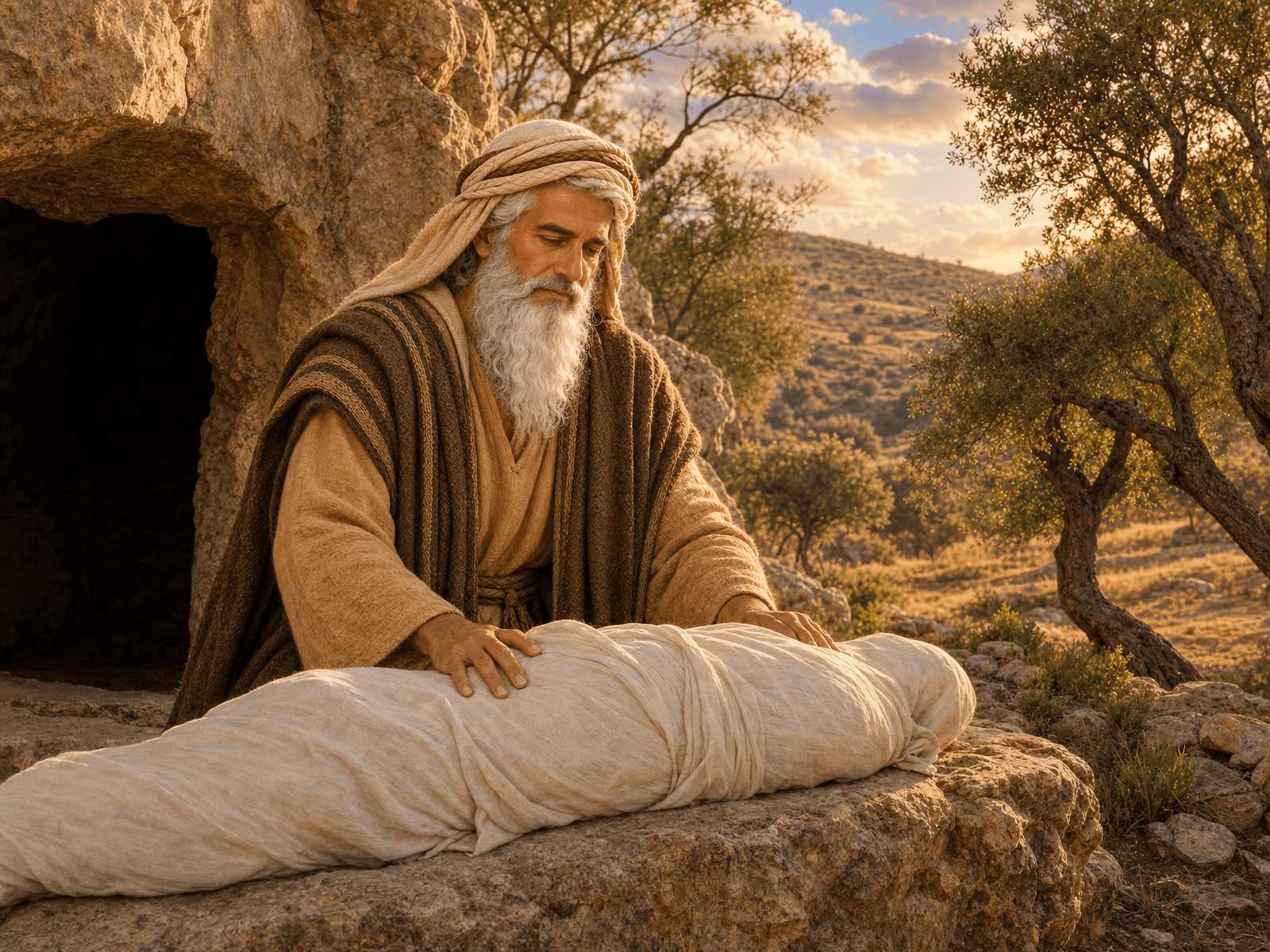
Illustrated scene from Abraham's story: Sarah Is Buried (Genesis 23:1–20)
Meet the people of the Bible
Follow their lives in order, with illustrated scenes and Bible passages that tell their stories.
 Abraham

Photo: Photochrom print, Library of Congress Prints and Photographs Division (LCCN 2002725043). License: Public domain in the United States; Library of Congress states no known restrictions on publication. Source. Location: Nablus and Mount Gerizim, West Bank; print preserved by the Library of Congress. Resized for the web.
Explore the places of the Bible
See where biblical events happened, why each place matters, and what archaeology helps us understand.
Shechem
Where God promised the land to Abram, and where Joshua led Israel to renew the covenant.
Get full access with one subscription
Explore the people and places of the Bible. Read summaries of every book, with images and clear explanations covering every chapter. Access all these features and our Bible study tools with one subscription.
See PlansAsk AI about Genesis 23:7
Ask a question about this verse and get a clear answer, with Bible references you can read for yourself.
Every Bible book, explained chapter by chapter
Explore summaries of every book of the Bible, with images and easy-to-understand explanations covering every chapter.
Keep studying Genesis 23:7
Related Bible verses
At a Glance — the Book of Genesis
- Author
- Traditionally attributed to Moses
- Written
- Around 1400 BC
- Genre
- Law (Pentateuch)
- Original Audience
- The Israelites in the wilderness
Frequently Asked Questions
Quick, clear answers about this verse
What does Abraham's bowing signify in Genesis 23:7?
Abraham's bowing in Genesis 23:7 signifies his respect and humility towards the sons of Heth, the local inhabitants. This act demonstrates his understanding of cultural customs and the importance of establishing a respectful relationship, especially as he seeks to negotiate for a burial site for his wife, Sarah. It highlights the value of humility in interactions, showing that even a powerful figure like Abraham recognizes the need for diplomacy and kindness.
How can we apply Abraham's actions in Genesis 23:7 to modern life?
Abraham's actions in Genesis 23:7 can be applied to modern life by reminding us to approach others with respect and humility, especially in unfamiliar or challenging situations. Simple gestures of respect, such as greeting someone warmly or acknowledging their status, can foster positive interactions and open doors for collaboration. This approach can enhance relationships and create a more favorable environment for discussions, whether in personal or professional settings.
What cultural significance does bowing hold in Genesis 23:7?
In Genesis 23:7, bowing is a culturally significant gesture that conveys respect and deference. In many ancient cultures, including that of Abraham, bowing was a common way to honor others, especially those in positions of authority or local leaders. This act not only reflects Abraham's character but also serves to establish a foundation for negotiation, illustrating the importance of understanding and adhering to cultural customs in interpersonal relations.
Why is humility important in negotiations, as shown in Genesis 23:7?
Humility is crucial in negotiations, as demonstrated by Abraham in Genesis 23:7, because it fosters a positive atmosphere for dialogue. When one approaches negotiations with humility, it encourages openness and collaboration from the other party. Abraham's respectful demeanor likely made the sons of Heth more receptive to his request for a burial site, illustrating that kindness and respect can lead to successful outcomes, even in potentially contentious situations.
Daily Verse — straight to your inbox
A verse and a 2-sentence plain-English explanation, every morning. Free. Unsubscribe anytime.