Old Testament
Genesis 26:14
Read the Bible in clear, modern English—easy to understand, faithful to the meaning, and written for everyday readers.
He owned flocks, herds, and a large number of servants, and the Philistines became jealous of him.
Compare translations
For he had possession of flocks, and possession of herds, and great store of servants: and the Philistines envied him.
What Genesis 26:14 means
Plain-English insight for readers
In this verse, we see a man who has been blessed with great wealth and resources. He owns many flocks and herds, which indicates prosperity in agriculture and livestock. Additionally, he has a large number of servants, suggesting he has a significant household and influence. However, this success leads to jealousy among the Philistines, who feel threatened by his prosperity. Their envy highlights how success can sometimes provoke negative feelings in others. This situation reminds us that when we achieve success, it can attract both admiration and resentment. It’s important to remain humble and gracious, even when others may not respond positively to our achievements. The story encourages us to focus on our blessings and to be mindful of how we treat others, regardless of their feelings towards us. Ultimately, it’s a lesson in navigating the complexities of relationships and success in life, showing that prosperity can come with its own challenges and responsibilities.
How to apply Genesis 26:14 to your life
When you experience success, remember that it can evoke mixed reactions from those around you. Stay humble and gracious, acknowledging your blessings without boasting. Focus on building positive relationships, even with those who may feel envious. Your attitude can influence how others perceive your achievements and can foster goodwill instead of resentment. Keep your heart open and kind, regardless of others' feelings.
Curated for this public verse page. Genesis Summary
Learn the Bible through its people and places
Get to know the people in Scripture through illustrated stories, and explore the places where they lived and traveled.

Illustrated scene from Isaac's story: The Wells of Isaac (Genesis 26:12–33)
Meet the people of the Bible
Follow their lives in order, with illustrated scenes and Bible passages that tell their stories.
 Isaac
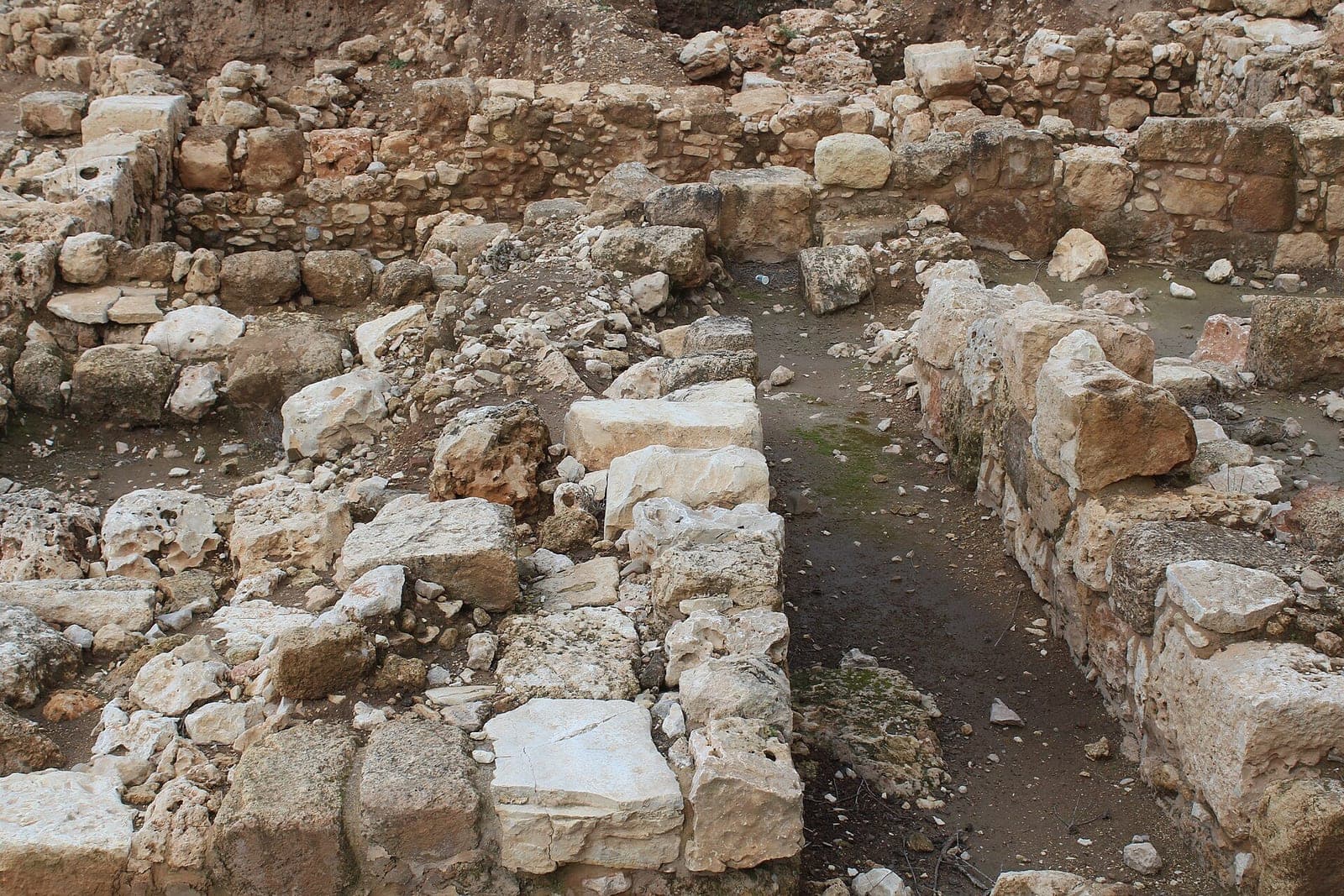
Photo: Deror Avi, via Wikimedia Commons. License: CC BY-SA 4.0. Source. Location: Tel Shiloh archaeological site, West Bank. Resized for the web.
Explore the places of the Bible
See where biblical events happened, why each place matters, and what archaeology helps us understand.
Shiloh
Where Israel set up the tabernacle, and where God called the boy Samuel.
Get full access with one subscription
Explore the people and places of the Bible. Read summaries of every book, with images and clear explanations covering every chapter. Access all these features and our Bible study tools with one subscription.
See PlansAsk AI about Genesis 26:14
Ask a question about this verse and get a clear answer, with Bible references you can read for yourself.
Every Bible book, explained chapter by chapter
Explore summaries of every book of the Bible, with images and easy-to-understand explanations covering every chapter.
Keep studying Genesis 26:14
Related Bible verses
Key themes
Related topics
At a Glance — the Book of Genesis
- Author
- Traditionally attributed to Moses
- Written
- Around 1400 BC
- Genre
- Law (Pentateuch)
- Original Audience
- The Israelites in the wilderness
Frequently Asked Questions
Quick, clear answers about this verse
What does Genesis 26:14 mean?
Genesis 26:14 describes a man who is prosperous, owning many flocks, herds, and servants. His wealth causes jealousy among the Philistines, highlighting how success can lead to envy from others.
What is the significance of jealousy in Genesis 26:14?
The jealousy of the Philistines in Genesis 26:14 illustrates how prosperity can provoke negative feelings in others. It serves as a reminder that success can attract both admiration and resentment.
What does the phrase 'great store of servants' mean in Genesis 26:14?
The phrase 'great store of servants' indicates that the man had a large household and significant influence, suggesting he was not only wealthy but also held a position of power in his community.
What lessons can we learn from Genesis 26:14?
Genesis 26:14 teaches us to remain humble in the face of success and to be mindful of how our achievements may affect others. It encourages building positive relationships despite potential jealousy.
Daily Verse — straight to your inbox
A verse and a 2-sentence plain-English explanation, every morning. Free. Unsubscribe anytime.