Old Testament
Haggai 1:6
Read the Bible in clear, modern English—easy to understand, faithful to the meaning, and written for everyday readers.
You've planted plenty of seed but harvested almost nothing. You eat, but you're never full. You drink, but you're still thirsty. You put on clothes, but you can't get warm. And whoever earns wages is putting them into a bag with holes.
Compare translations
Ye have sown much, and bring in little; ye eat, but ye have not enough; ye drink, but ye are not filled with drink; ye clothe you, but there is none warm; and he that earneth wages earneth wages to put it into a bag with holes.
What Haggai 1:6 means
Plain-English insight for readers
In Haggai 1:6, the prophet highlights the struggles of the people who have been working hard but not seeing the results they desire. They have planted seeds but are not reaping a good harvest. Despite their efforts to eat and drink, they remain unsatisfied and unfulfilled. The imagery of putting wages into a bag with holes suggests that their earnings are wasted and do not provide for their needs. This verse serves as a reminder that without prioritizing God and His work, our efforts may feel futile. The people are encouraged to reflect on their priorities and consider how their neglect of God's house has led to their dissatisfaction. The message emphasizes the importance of aligning one's life with God's purposes to experience true fulfillment and abundance.
How to apply Haggai 1:6 to your life
To apply this verse, evaluate your priorities and consider if you are putting God first in your life. Reflect on areas where you may be working hard but not seeing the desired results. Make adjustments to focus on spiritual growth and service to God, which can lead to true satisfaction.
Curated for this public verse page. Haggai Summary
Explore more of the Bible
Learn the Bible through its people and places
Get to know the people in Scripture through illustrated stories, and explore the places where they lived and traveled.

Illustrated scene from David's story: Samuel Anoints David (1 Samuel 16:1–13)
Meet the people of the Bible
Follow their lives in order, with illustrated scenes and Bible passages that tell their stories.
 David
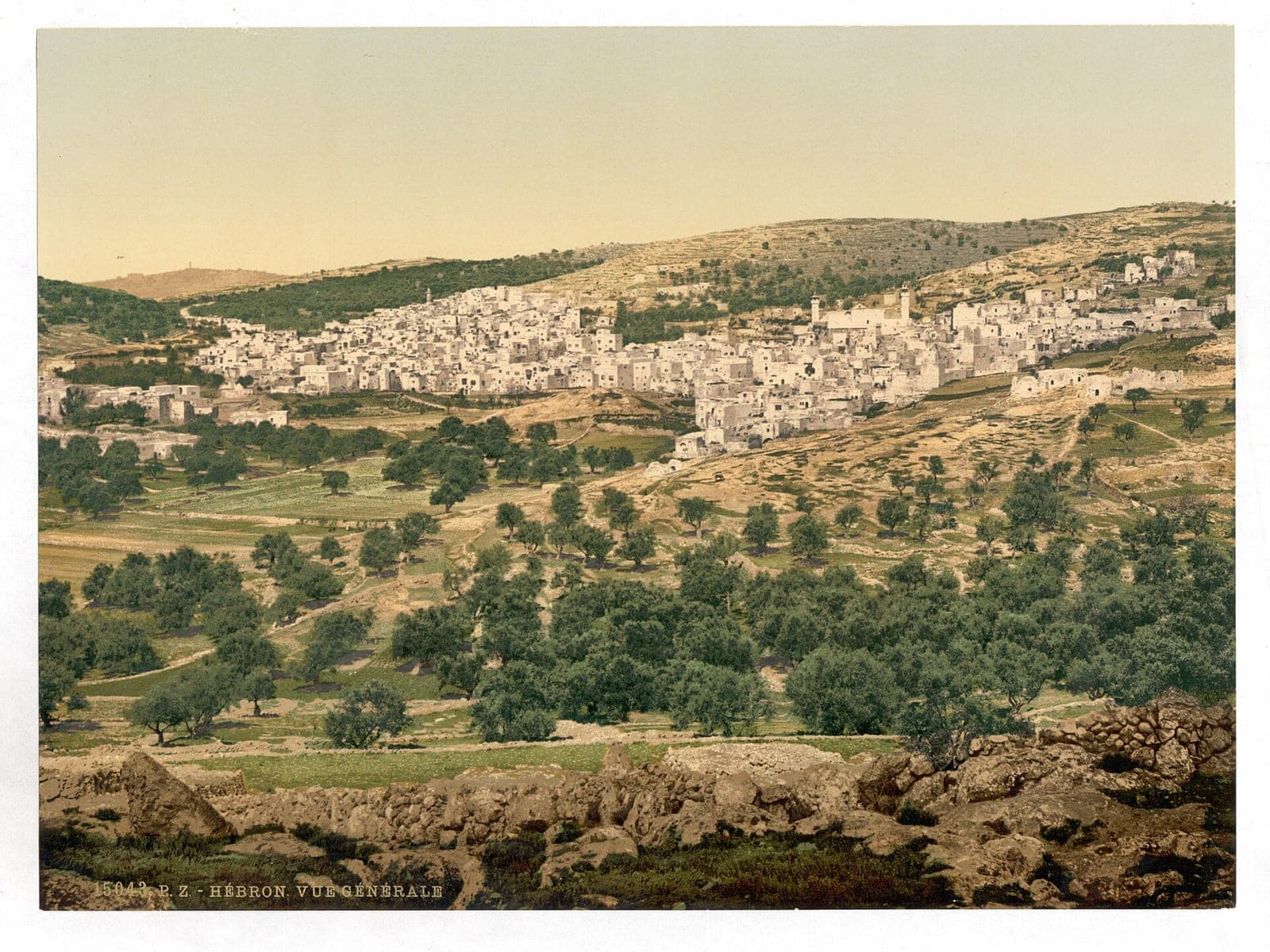
Photo: Photochrom print, Library of Congress Prints and Photographs Division (LCCN 2002724987). License: Public domain in the United States; Library of Congress states no known restrictions on publication. Source. Location: Hebron, West Bank; print preserved by the Library of Congress. Resized for the web.
Explore the places of the Bible
See where biblical events happened, why each place matters, and what archaeology helps us understand.
Hebron
Where Abraham lived and buried Sarah, and where David was first made king.
Get full access with one subscription
Explore the people and places of the Bible. Read summaries of every book, with images and clear explanations covering every chapter. Access all these features and our Bible study tools with one subscription.
See PlansAsk AI about Haggai 1:6
Ask a question about this verse and get a clear answer, with Bible references you can read for yourself.
Every Bible book, explained chapter by chapter
Explore summaries of every book of the Bible, with images and easy-to-understand explanations covering every chapter.
Keep studying Haggai 1:6
Related Bible verses
Key themes
Related topics
At a Glance — the Book of Haggai
- Author
- Haggai the prophet
- Written
- Around 520 BC
- Genre
- Prophecy
- Original Audience
- Post-exilic Jews rebuilding the temple
Frequently Asked Questions
Quick, clear answers about this verse
What does Haggai 1:6 mean?
Haggai 1:6 means that despite the people's hard work, they are not seeing the results they expect. It highlights their dissatisfaction and unfulfilled needs, suggesting that neglecting God's priorities leads to a lack of true fulfillment.
What is the significance of 'putting wages into a bag with holes' in Haggai 1:6?
The phrase 'putting wages into a bag with holes' signifies that the people's earnings are wasted and do not meet their needs. It illustrates the futility of their efforts when they do not prioritize God and His work.
What does Haggai 1:6 teach about priorities?
Haggai 1:6 teaches that prioritizing God is essential for true satisfaction and fulfillment. The verse encourages individuals to reflect on their priorities and consider how neglecting spiritual matters can lead to dissatisfaction in life.
How can I apply the message of Haggai 1:6 to my life?
To apply Haggai 1:6, evaluate your life to see if you are prioritizing God. Consider areas where you are working hard but not seeing results, and make adjustments to focus on spiritual growth and service.
Daily Verse — straight to your inbox
A verse and a 2-sentence plain-English explanation, every morning. Free. Unsubscribe anytime.