New Testament
Hebrews 11:35
Read the Bible in clear, modern English—easy to understand, faithful to the meaning, and written for everyday readers.
Women received their dead back to life again. Others were tortured, not accepting deliverance, because they were looking forward to a better resurrection.
Compare translations
Women received their dead raised to life again: and others were tortured, not accepting deliverance; that they might obtain a better resurrection:
What Hebrews 11:35 means
Plain-English insight for readers
This verse highlights the faith and resilience of believers who faced extreme trials. It mentions women who miraculously received their dead back to life, showcasing God's power over death. In contrast, others endured torture and chose not to accept deliverance, demonstrating their unwavering faith in the promise of a better resurrection. This reflects a deep belief in eternal life and the hope of a future reward that surpasses earthly suffering. The verse emphasizes that true faith may lead to suffering, but it also assures believers that their sacrifices are not in vain, as they look forward to a glorious resurrection. This duality of experiences—miraculous deliverance and painful endurance—illustrates the varied ways faith can manifest in the lives of believers, ultimately pointing to the hope of eternal life with God.
How to apply Hebrews 11:35 to your life
In our lives, we may face trials that test our faith. This verse encourages us to remain steadfast, knowing that our struggles can lead to greater rewards. We should support one another in faith, reminding ourselves of the hope we have in eternal life, even amidst suffering.
Curated for this public verse page. Hebrews Summary
Explore more of the Bible
Learn the Bible through its people and places
Get to know the people in Scripture through illustrated stories, and explore the places where they lived and traveled.
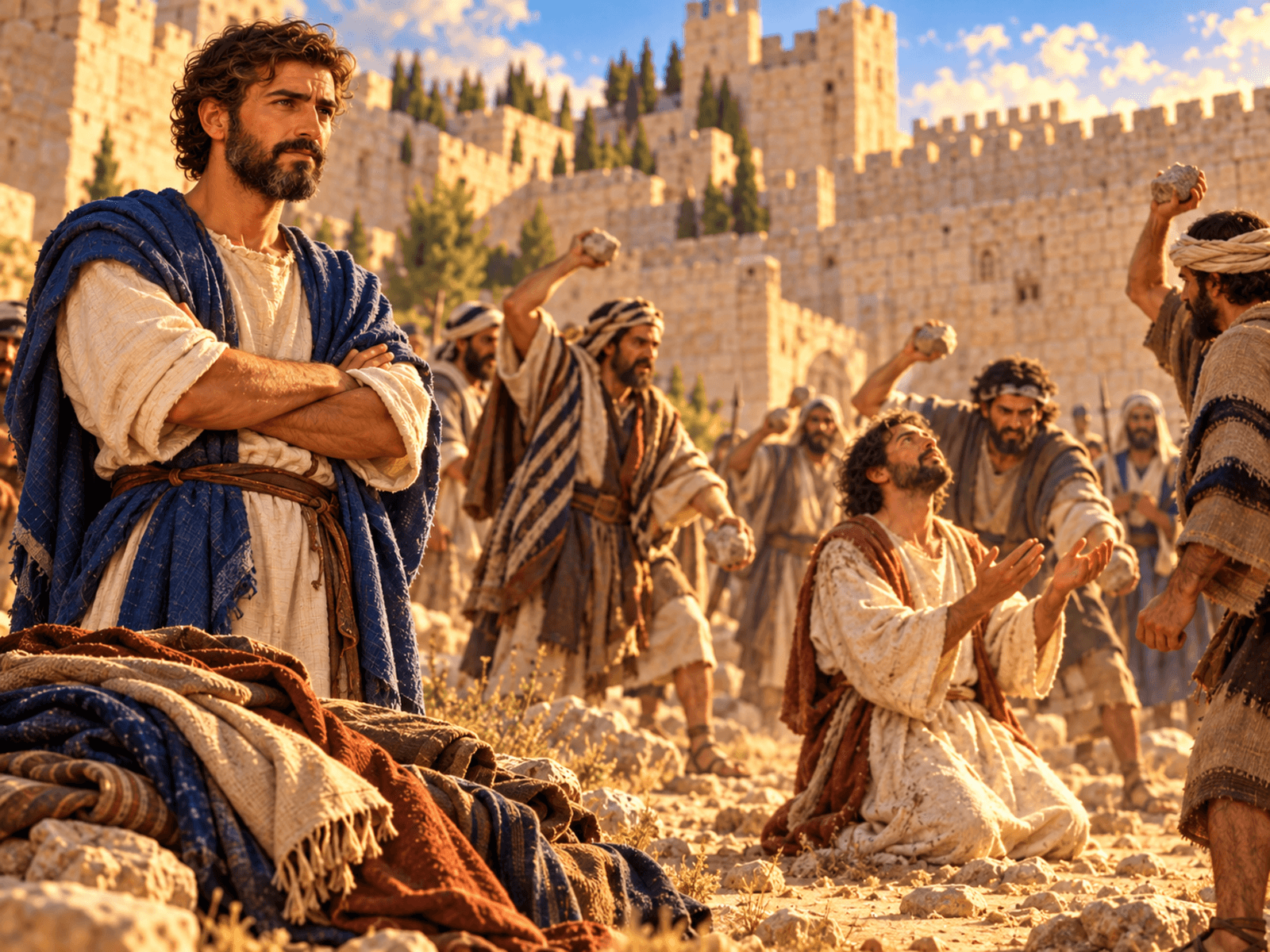
Illustrated scene from Paul's story: The Stoning of Stephen (Acts 7:57–8:2)
Meet the people of the Bible
Follow their lives in order, with illustrated scenes and Bible passages that tell their stories.
 Paul
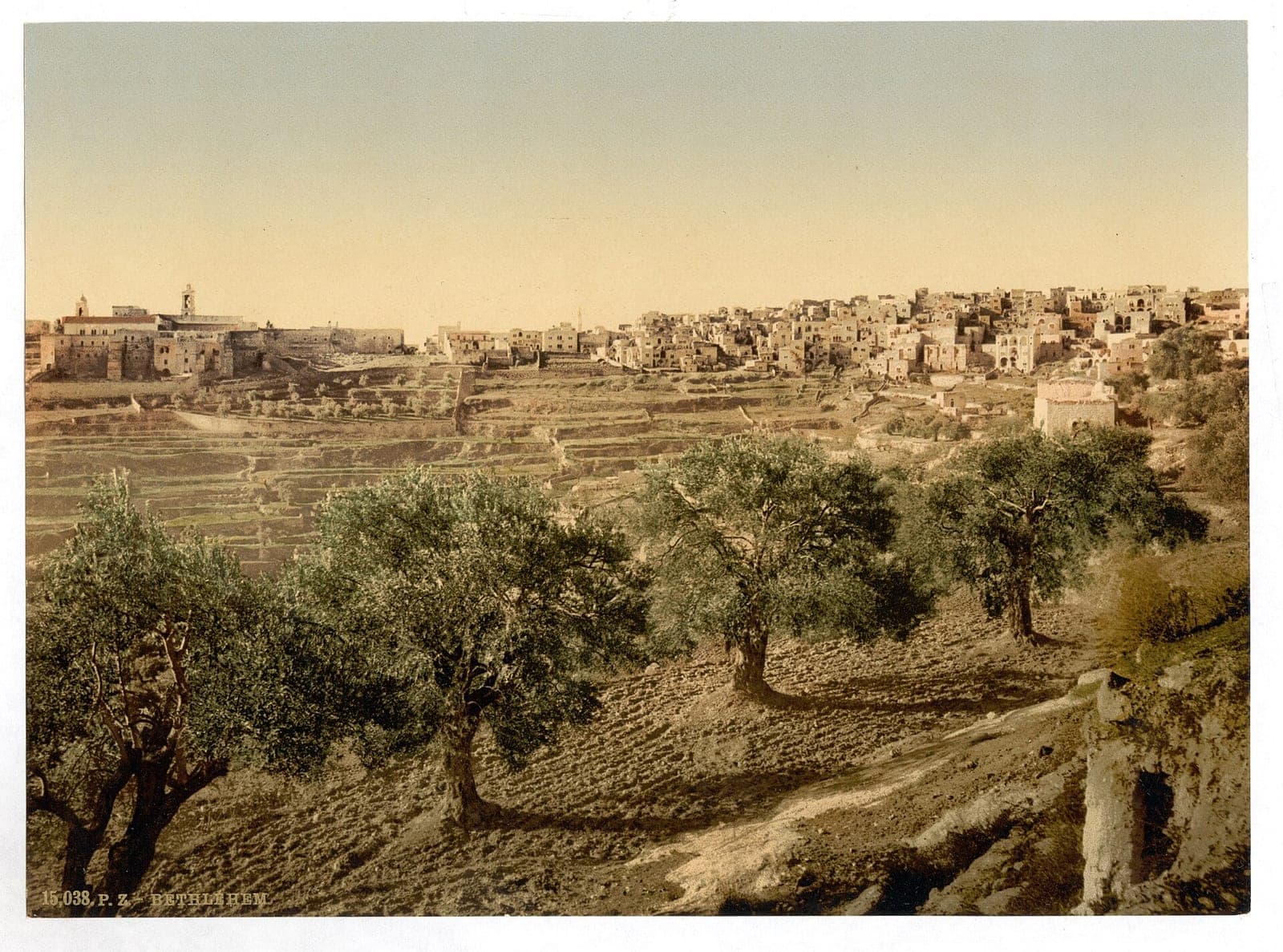
Photo: Photochrom print, Library of Congress Prints and Photographs Division (LCCN 2002724966). License: Public domain in the United States; Library of Congress states no known restrictions on publication. Source. Location: Bethlehem, West Bank; print preserved by the Library of Congress. Resized for the web.
Explore the places of the Bible
See where biblical events happened, why each place matters, and what archaeology helps us understand.
Bethlehem
David's hometown, and the town where Jesus was born.
Get full access with one subscription
Explore the people and places of the Bible. Read summaries of every book, with images and clear explanations covering every chapter. Access all these features and our Bible study tools with one subscription.
See PlansAsk AI about Hebrews 11:35
Ask a question about this verse and get a clear answer, with Bible references you can read for yourself.
Every Bible book, explained chapter by chapter
Explore summaries of every book of the Bible, with images and easy-to-understand explanations covering every chapter.
Keep studying Hebrews 11:35
Related Bible verses
Key themes
Related topics
At a Glance — the Book of Hebrews
- Author
- Author unknown; traditionally attributed to Paul
- Written
- Around AD 60-70
- Genre
- Letter and sermon
- Original Audience
- Jewish Christians
Frequently Asked Questions
Quick, clear answers about this verse
What does Hebrews 11:35 mean about women receiving their dead back to life?
Hebrews 11:35 refers to miraculous events where women, through faith, witnessed their deceased loved ones being raised back to life. This highlights God's power over death and serves as a testament to the faith of those who believe in His ability to perform miracles. It emphasizes that faith can lead to extraordinary outcomes, showcasing the hope believers have in God's promises.
Why does Hebrews 11:35 mention torture and not accepting deliverance?
The mention of torture in Hebrews 11:35 illustrates the extreme trials faced by some believers who chose to endure suffering rather than renounce their faith. They believed that enduring hardship would lead to a 'better resurrection,' indicating their hope in eternal life and rewards beyond earthly existence. This reflects a profound commitment to faith, even in the face of severe persecution.
What is meant by a 'better resurrection' in this verse?
The 'better resurrection' mentioned in Hebrews 11:35 refers to the hope of eternal life and the ultimate reward that awaits believers after death. It contrasts the temporary relief from suffering with the everlasting joy and fulfillment found in God's presence. This concept encourages believers to persevere through trials, knowing that their faithfulness will be rewarded in the afterlife.
How can we apply the lessons from Hebrews 11:35 in our lives today?
We can apply the lessons from Hebrews 11:35 by remaining steadfast in our faith during difficult times. This verse encourages us to support one another and to find strength in our belief in eternal life. It reminds us that while we may face trials, our sacrifices and endurance are meaningful and lead to greater rewards. Cultivating a community of faith can help us navigate our struggles with hope and resilience.
Daily Verse — straight to your inbox
A verse and a 2-sentence plain-English explanation, every morning. Free. Unsubscribe anytime.