Old Testament
Isaiah 14:18
Read the Bible in clear, modern English—easy to understand, faithful to the meaning, and written for everyday readers.
Every other king of the nations lies in honor, each one in his own royal tomb.
Compare translations
All the kings of the nations, even all of them, lie in glory, every one in his own house.
What Isaiah 14:18 means
Plain-English insight for readers
In Isaiah 14:18, the verse highlights the fate of earthly kings, emphasizing that they are honored and remembered in death, each resting in their own tombs. This reflects a contrast between the glory of worldly rulers and the ultimate fate that awaits them. While they may have enjoyed power and prestige during their lives, their deaths lead them to the same end as all humanity. The passage serves as a reminder that earthly achievements and status are temporary, and that true significance lies beyond this life. The context of this verse is part of a larger passage that discusses the downfall of the king of Babylon, illustrating that even the mightiest will face judgment and mortality. This serves to encourage humility and a focus on eternal values rather than fleeting earthly glory.
How to apply Isaiah 14:18 to your life
This verse encourages us to reflect on our priorities and the legacy we leave behind. Instead of seeking temporary honors, we should focus on living a life of integrity and purpose that aligns with eternal values. Remembering our mortality can inspire us to make meaningful choices today.
Curated for this public verse page. Isaiah Summary
Explore more of the Bible
Learn the Bible through its people and places
Get to know the people in Scripture through illustrated stories, and explore the places where they lived and traveled.

Illustrated scene from Esther's story: Esther Becomes Queen (Esther 2:1–18)
Meet the people of the Bible
Follow their lives in order, with illustrated scenes and Bible passages that tell their stories.
 Esther
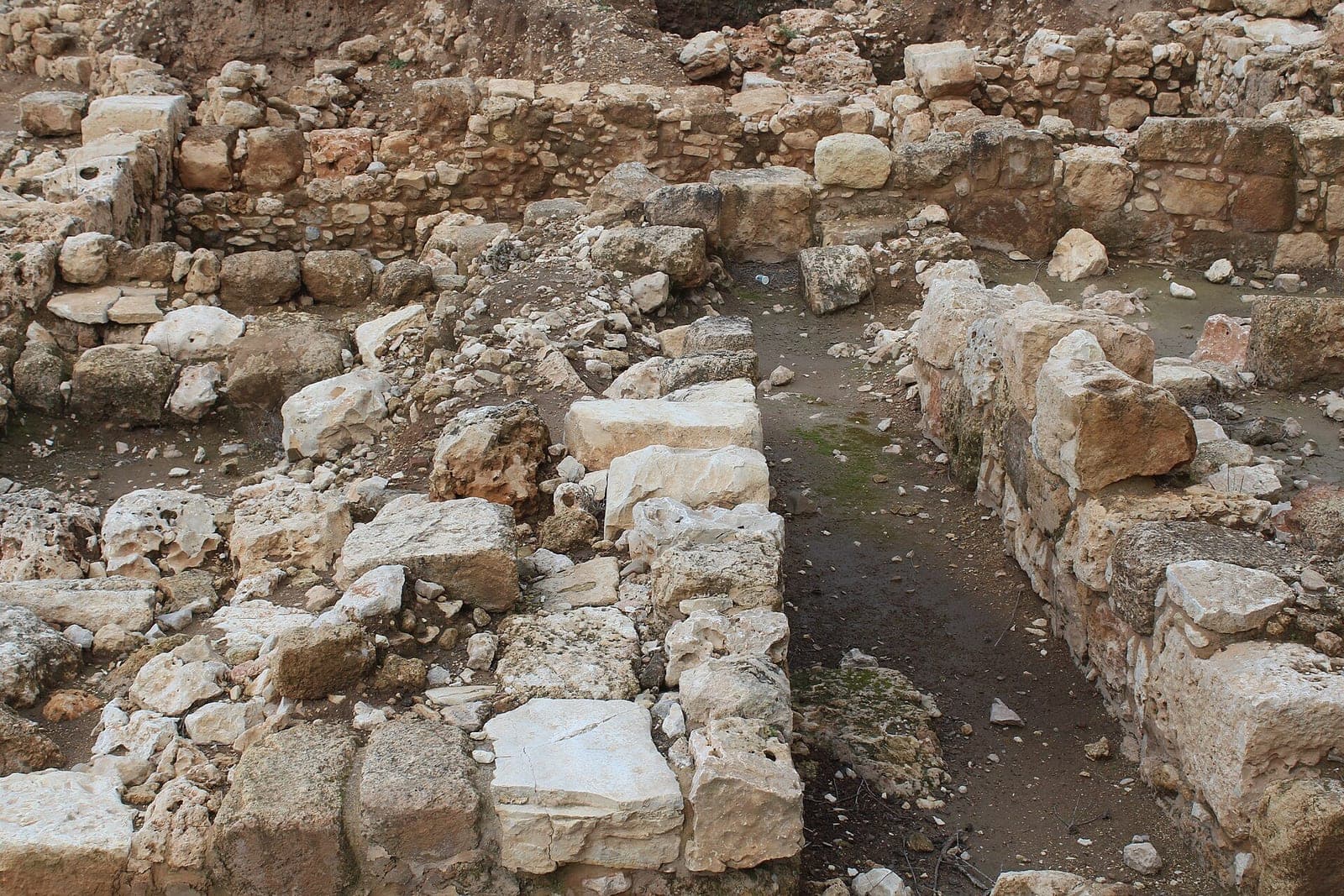
Photo: Deror Avi, via Wikimedia Commons. License: CC BY-SA 4.0. Source. Location: Tel Shiloh archaeological site, West Bank. Resized for the web.
Explore the places of the Bible
See where biblical events happened, why each place matters, and what archaeology helps us understand.
Shiloh
Where Israel set up the tabernacle, and where God called the boy Samuel.
Get full access with one subscription
Explore the people and places of the Bible. Read summaries of every book, with images and clear explanations covering every chapter. Access all these features and our Bible study tools with one subscription.
See PlansAsk AI about Isaiah 14:18
Ask a question about this verse and get a clear answer, with Bible references you can read for yourself.
Every Bible book, explained chapter by chapter
Explore summaries of every book of the Bible, with images and easy-to-understand explanations covering every chapter.
Keep studying Isaiah 14:18
Related Bible verses
At a Glance — the Book of Isaiah
- Author
- Isaiah the prophet
- Written
- Around 700 BC
- Genre
- Prophecy
- Original Audience
- Judah and the surrounding nations
Frequently Asked Questions
Quick, clear answers about this verse
What does Isaiah 14:18 mean?
Isaiah 14:18 means that all earthly kings are honored in death, resting in their own tombs. It highlights the temporary nature of their glory and the inevitability of mortality, reminding us that even the most powerful will face judgment.
What is the significance of 'lie in glory' in Isaiah 14:18?
The phrase 'lie in glory' signifies that kings are remembered with honor after their death. It contrasts their earthly achievements with the reality that all humans, regardless of status, ultimately share the same fate.
How does Isaiah 14:18 relate to humility?
Isaiah 14:18 relates to humility by illustrating that even the mightiest rulers will face death and judgment. This encourages us to remain humble and recognize that earthly achievements are temporary.
What themes are present in Isaiah 14:18?
The themes in Isaiah 14:18 include mortality, earthly glory, judgment, humility, and eternal values. These themes remind us to prioritize lasting significance over temporary honors.
Daily Verse — straight to your inbox
A verse and a 2-sentence plain-English explanation, every morning. Free. Unsubscribe anytime.