Old Testament
Isaiah 16:8
Read the Bible in clear, modern English—easy to understand, faithful to the meaning, and written for everyday readers.
The fields of Heshbon are withering, and the vineyards of Sibmah are ruined. The lords of the heathen have smashed their finest vines—vines that once stretched as far as Jazer, spread into the wilderness, and sent their branches all the way across the sea.
Compare translations
For the fields of Heshbon languish, and the vine of Sibmah: the lords of the heathen have broken down the principal plants thereof, they are come even unto Jazer, they wandered through the wilderness: her branches are stretched out, they are gone over the sea.
What Isaiah 16:8 means
Plain-English insight for readers
In Isaiah 16:8, the prophet describes the devastation of the agricultural lands in Heshbon and Sibmah, which were once prosperous and fruitful. The imagery of withering fields and ruined vineyards illustrates the impact of foreign invaders who have destroyed the best crops. The mention of Jazer and the wilderness signifies the extent of the destruction, as the vines that once thrived have now been uprooted and their branches have spread far and wide, even reaching the sea. This passage reflects not only the physical desolation of the land but also the spiritual and social turmoil that accompanies such devastation. The loss of these vital resources symbolizes a deeper loss of hope and stability for the people, highlighting the consequences of turning away from God and the resulting judgment that befalls nations. The imagery serves as a warning about the fragility of prosperity and the importance of faithfulness to God amidst external pressures and challenges.
How to apply Isaiah 16:8 to your life
This verse reminds us of the consequences of neglecting our spiritual health and the importance of remaining faithful to God. Just as the land suffered from invasion, our lives can experience turmoil when we stray from our values. Staying rooted in faith can help us withstand challenges.
Curated for this public verse page. Isaiah Summary
Explore more of the Bible
Learn the Bible through its people and places
Get to know the people in Scripture through illustrated stories, and explore the places where they lived and traveled.

Illustrated scene from Joseph, Jacob's son's story: Joseph Is Born (Genesis 30:22–24)
Meet the people of the Bible
Follow their lives in order, with illustrated scenes and Bible passages that tell their stories.
 Joseph, Jacob's son
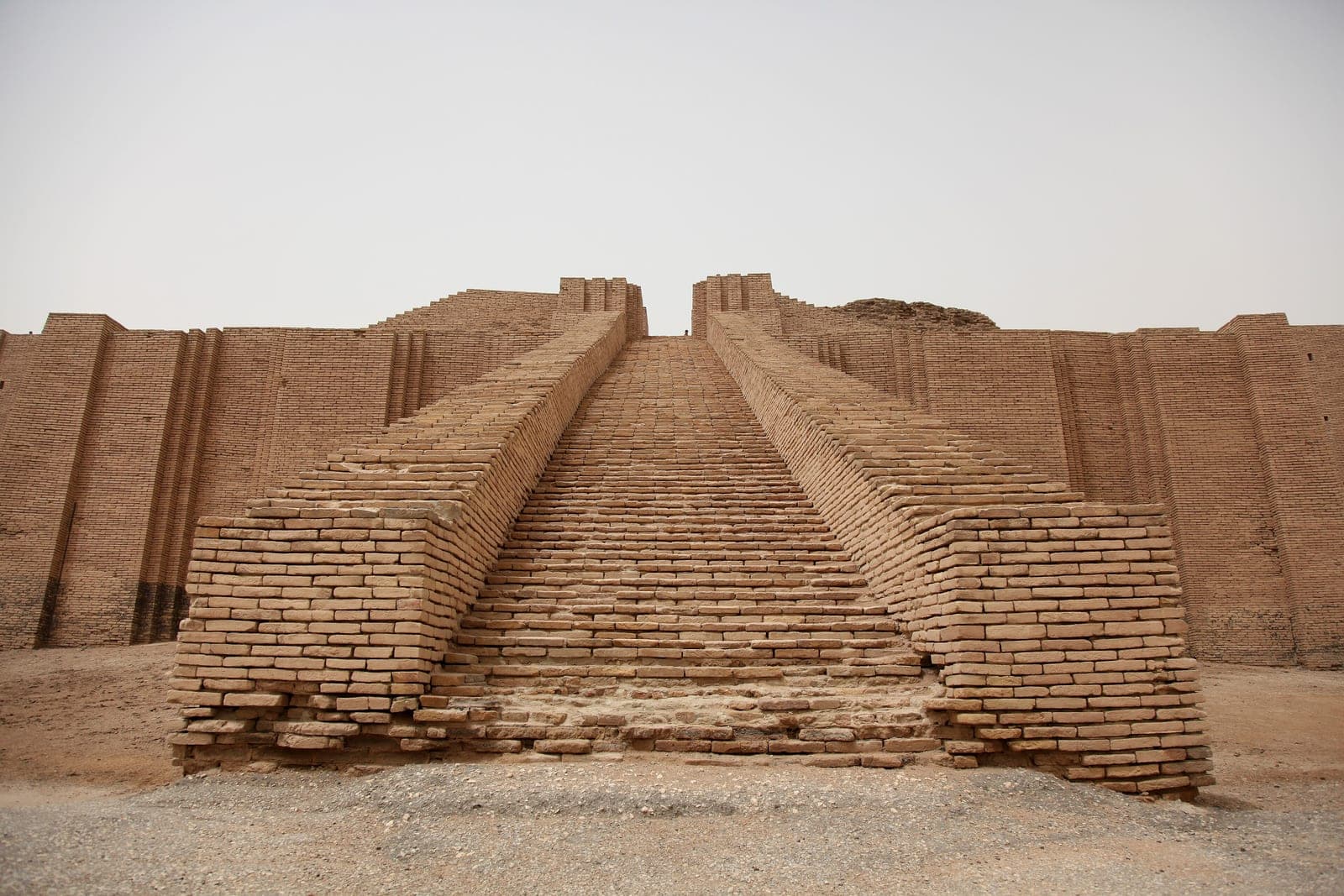
Photo: U.S. Army photo by Spc. Samantha R. Ciaramitaro, via DVIDS and Wikimedia Commons. License: Public domain in the United States — U.S. federal-government work. Source. Location: Great Ziggurat, Ur Archaeological City (Tell el-Mukayyar), Dhi Qar Governorate, Iraq. Resized for the web.
Explore the places of the Bible
See where biblical events happened, why each place matters, and what archaeology helps us understand.
Ur
The city Abram's family left to travel toward Canaan.
Get full access with one subscription
Explore the people and places of the Bible. Read summaries of every book, with images and clear explanations covering every chapter. Access all these features and our Bible study tools with one subscription.
See PlansAsk AI about Isaiah 16:8
Ask a question about this verse and get a clear answer, with Bible references you can read for yourself.
Every Bible book, explained chapter by chapter
Explore summaries of every book of the Bible, with images and easy-to-understand explanations covering every chapter.
Keep studying Isaiah 16:8
Related Bible verses
Key themes
Related topics
At a Glance — the Book of Isaiah
- Author
- Isaiah the prophet
- Written
- Around 700 BC
- Genre
- Prophecy
- Original Audience
- Judah and the surrounding nations
Frequently Asked Questions
Quick, clear answers about this verse
What does Isaiah 16:8 mean?
Isaiah 16:8 describes the destruction of the agricultural lands in Heshbon and Sibmah, highlighting the devastation caused by foreign invaders. The imagery of withering fields and ruined vineyards symbolizes the loss of prosperity and the consequences of turning away from God.
What is the significance of Heshbon and Sibmah in Isaiah 16:8?
Heshbon and Sibmah represent regions that were once fertile and prosperous but are now devastated. Their destruction illustrates the broader theme of loss and judgment faced by the people due to their disobedience and neglect of spiritual values.
What does the phrase 'lords of the heathen' refer to in Isaiah 16:8?
The 'lords of the heathen' refers to foreign rulers or invaders who have attacked and destroyed the vineyards and fields. This highlights the external threats faced by the people and the impact of their actions on their land and livelihood.
How does Isaiah 16:8 relate to spiritual turmoil?
Isaiah 16:8 reflects not only physical destruction but also spiritual turmoil, as the loss of agricultural resources symbolizes a deeper loss of hope and stability for the people. It serves as a reminder of the consequences of straying from faith and values.
Daily Verse — straight to your inbox
A verse and a 2-sentence plain-English explanation, every morning. Free. Unsubscribe anytime.