Old Testament
Isaiah 37:4
Read the Bible in clear, modern English—easy to understand, faithful to the meaning, and written for everyday readers.
Perhaps the LORD your God will hear the words of Rabshakeh, whom his master, the king of Assyria, sent to mock the living God, and will rebuke the words that the LORD your God has heard. Therefore, lift up your prayer for the remnant that is left.
Compare translations
It may be the LORD thy God will hear the words of Rabshakeh, whom the king of Assyria his master hath sent to reproach the living God, and will reprove the words which the LORD thy God hath heard: wherefore lift up thy prayer for the remnant that is left.
What Isaiah 37:4 means
Plain-English insight for readers
In Isaiah 37:4, the speaker expresses hope that God will respond to the blasphemous words spoken by Rabshakeh, a messenger from the Assyrian king. Rabshakeh has mocked God and the people of Judah, challenging their faith. The verse emphasizes the importance of prayer, urging the people to lift their voices to God on behalf of the remnant of Judah that remains faithful. This remnant is a small group that still trusts in God despite the overwhelming threat from Assyria. The speaker believes that God may intervene and correct the false accusations made against Him. This passage highlights the power of prayer and the need for believers to seek God's help in times of distress, especially when facing ridicule or opposition. It reassures the faithful that their prayers can make a difference and that God is attentive to their cries for help.
How to apply Isaiah 37:4 to your life
In times of trouble or when facing ridicule for your faith, remember the importance of prayer. Lift up your concerns to God, trusting that He hears you. Support one another in prayer, especially for those who remain faithful amidst challenges, as collective prayer can strengthen the community.
Curated for this public verse page. Isaiah Summary
Learn the Bible through its people and places
Get to know the people in Scripture through illustrated stories, and explore the places where they lived and traveled.

Illustrated scene from Isaiah's story: The LORD Defends Jerusalem (Isaiah 37:1–38)
Meet the people of the Bible
Follow their lives in order, with illustrated scenes and Bible passages that tell their stories.
 Isaiah
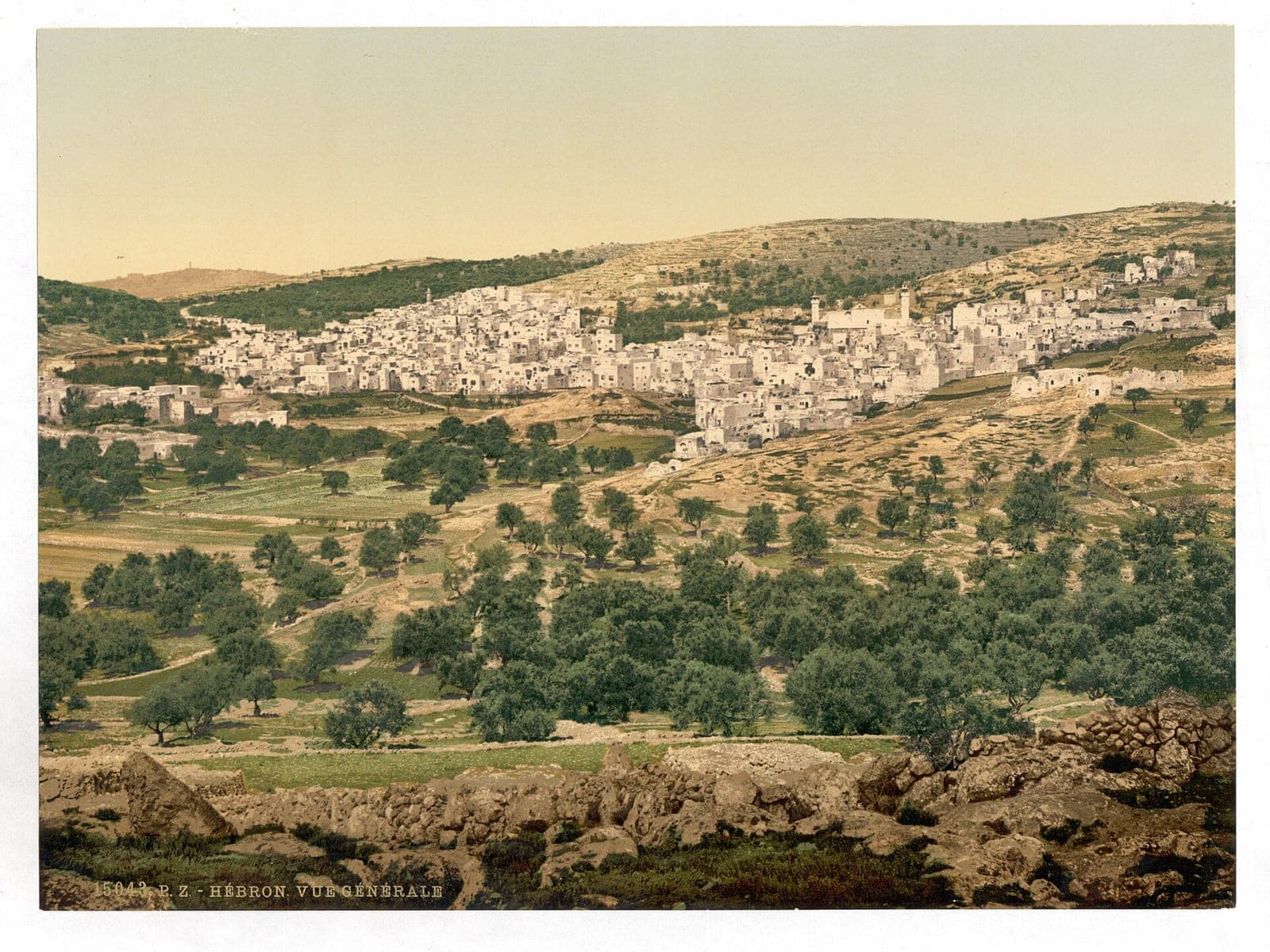
Photo: Photochrom print, Library of Congress Prints and Photographs Division (LCCN 2002724987). License: Public domain in the United States; Library of Congress states no known restrictions on publication. Source. Location: Hebron, West Bank; print preserved by the Library of Congress. Resized for the web.
Explore the places of the Bible
See where biblical events happened, why each place matters, and what archaeology helps us understand.
Hebron
Where Abraham lived and buried Sarah, and where David was first made king.
Get full access with one subscription
Explore the people and places of the Bible. Read summaries of every book, with images and clear explanations covering every chapter. Access all these features and our Bible study tools with one subscription.
See PlansAsk AI about Isaiah 37:4
Ask a question about this verse and get a clear answer, with Bible references you can read for yourself.
Every Bible book, explained chapter by chapter
Explore summaries of every book of the Bible, with images and easy-to-understand explanations covering every chapter.
Keep studying Isaiah 37:4
Related Bible verses
Related topics
At a Glance — the Book of Isaiah
- Author
- Isaiah the prophet
- Written
- Around 700 BC
- Genre
- Prophecy
- Original Audience
- Judah and the surrounding nations
Frequently Asked Questions
Quick, clear answers about this verse
What does Isaiah 37:4 mean?
Isaiah 37:4 expresses hope that God will respond to the blasphemous words of Rabshakeh, a messenger from the Assyrian king. It emphasizes the importance of prayer for the faithful remnant of Judah, urging them to seek God's intervention against mockery and threats.
What is the significance of the remnant in Isaiah 37:4?
The remnant in Isaiah 37:4 refers to the small group of people in Judah who remain faithful to God despite the overwhelming threat from Assyria. This remnant symbolizes hope and perseverance in faith during difficult times.
What does Rabshakeh represent in Isaiah 37:4?
Rabshakeh represents the voice of mockery and challenge against God and His people. His words aim to instill fear and doubt, highlighting the spiritual battle faced by the faithful.
How does Isaiah 37:4 encourage prayer?
Isaiah 37:4 encourages prayer by urging the people to lift their voices to God on behalf of the remnant. It highlights that prayer is a powerful response to ridicule and a means to seek divine help.
Daily Verse — straight to your inbox
A verse and a 2-sentence plain-English explanation, every morning. Free. Unsubscribe anytime.