Old Testament
Isaiah 54:4
Read the Bible in clear, modern English—easy to understand, faithful to the meaning, and written for everyday readers.
Do not be afraid; you will not be ashamed. Do not be confounded; you will not be put to shame. You will forget the shame of your youth and will not remember the reproach of your widowhood anymore.
Compare translations
Fear not; for thou shalt not be ashamed: neither be thou confounded; for thou shalt not be put to shame: for thou shalt forget the shame of thy youth, and shalt not remember the reproach of thy widowhood any more.
What Isaiah 54:4 means
Plain-English insight for readers
In Isaiah 54:4, God reassures His people not to fear or feel ashamed of their past. The verse emphasizes that they will not experience disgrace or humiliation. It speaks to the healing and restoration that God offers, particularly in relation to the shame associated with their youth and the pain of widowhood. This promise indicates a future where they will no longer dwell on their past failures or sufferings. Instead, they will find hope and renewal, suggesting that God will transform their circumstances and provide a new identity free from past reproach. The message is one of comfort and encouragement, reminding believers that their past does not define their future and that God’s grace can lead to a new beginning.
How to apply Isaiah 54:4 to your life
When facing feelings of shame or fear about the past, remember that God offers forgiveness and a fresh start. Embrace the truth that your past does not determine your future. Trust in God's promises for healing and renewal in your life.
Curated for this public verse page. Isaiah Summary
Explore more of the Bible
Learn the Bible through its people and places
Get to know the people in Scripture through illustrated stories, and explore the places where they lived and traveled.

Illustrated scene from David's story: Samuel Anoints David (1 Samuel 16:1–13)
Meet the people of the Bible
Follow their lives in order, with illustrated scenes and Bible passages that tell their stories.
 David
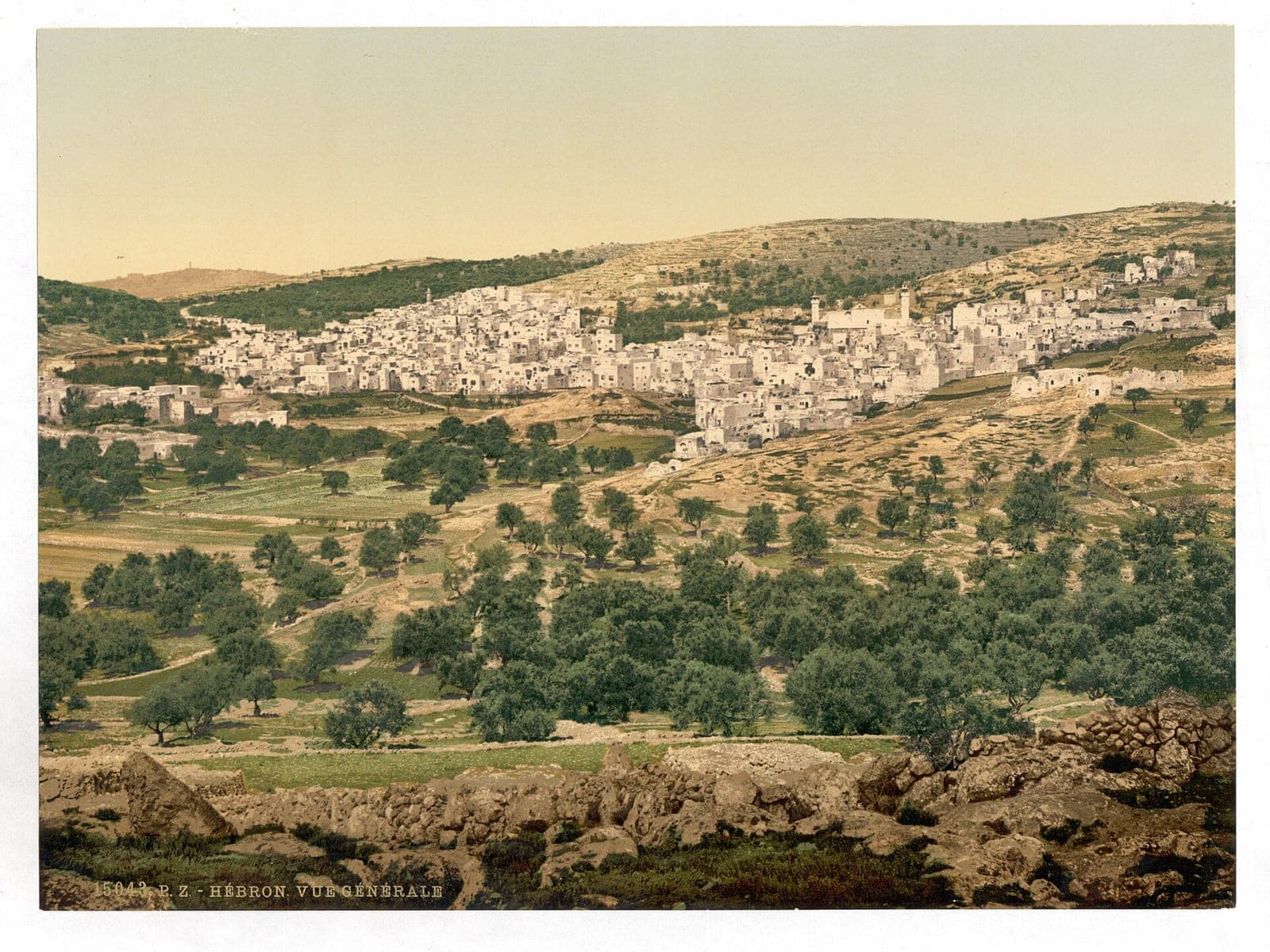
Photo: Photochrom print, Library of Congress Prints and Photographs Division (LCCN 2002724987). License: Public domain in the United States; Library of Congress states no known restrictions on publication. Source. Location: Hebron, West Bank; print preserved by the Library of Congress. Resized for the web.
Explore the places of the Bible
See where biblical events happened, why each place matters, and what archaeology helps us understand.
Hebron
Where Abraham lived and buried Sarah, and where David was first made king.
Get full access with one subscription
Explore the people and places of the Bible. Read summaries of every book, with images and clear explanations covering every chapter. Access all these features and our Bible study tools with one subscription.
See PlansAsk AI about Isaiah 54:4
Ask a question about this verse and get a clear answer, with Bible references you can read for yourself.
Every Bible book, explained chapter by chapter
Explore summaries of every book of the Bible, with images and easy-to-understand explanations covering every chapter.
Keep studying Isaiah 54:4
Related Bible verses
Key themes
Related topics
At a Glance — the Book of Isaiah
- Author
- Isaiah the prophet
- Written
- Around 700 BC
- Genre
- Prophecy
- Original Audience
- Judah and the surrounding nations
Frequently Asked Questions
Quick, clear answers about this verse
What does Isaiah 54:4 mean about shame?
Isaiah 54:4 conveys God's promise that His people will no longer feel shame or disgrace from their past experiences. It reassures them that they will forget the shame associated with their youth and the pain of widowhood, indicating a transformative healing process. This verse emphasizes that God offers a new identity and a future free from the burdens of past failures.
How can I apply Isaiah 54:4 to my life?
To apply Isaiah 54:4, focus on letting go of past mistakes and feelings of shame. Acknowledge that God offers forgiveness and a fresh start. When you feel overwhelmed by fear or regret, remind yourself of God's promises of restoration and renewal. Embrace your new identity in Christ, knowing that your past does not define your future.
What is the significance of not being ashamed in Isaiah 54:4?
The significance of not being ashamed in Isaiah 54:4 lies in the assurance of God's grace and restoration. It highlights that believers can move forward without the weight of past failures or societal judgments. This promise encourages individuals to embrace their worth and identity in God, fostering a sense of hope and confidence in their future.
Does Isaiah 54:4 apply to everyone?
Yes, Isaiah 54:4 applies to everyone who seeks healing and restoration from their past. It speaks to the universal human experience of shame and the desire for a fresh start. God's promises are inclusive, offering comfort and hope to all who turn to Him, regardless of their background or past experiences.
Daily Verse — straight to your inbox
A verse and a 2-sentence plain-English explanation, every morning. Free. Unsubscribe anytime.