Old Testament
Isaiah 6:5
Read the Bible in clear, modern English—easy to understand, faithful to the meaning, and written for everyday readers.
Then I said, "Woe is me! I am undone, for I am a man of unclean lips, and I live among a people of unclean lips; for my eyes have seen the King, the LORD of hosts."
Compare translations
Then said I, Woe is me! for I am undone; because I am a man of unclean lips, and I dwell in the midst of a people of unclean lips: for mine eyes have seen the King, the LORD of hosts.
What Isaiah 6:5 means
Plain-English insight for readers
In this verse, the prophet Isaiah expresses deep distress upon realizing his own sinfulness and the sinfulness of his community. He feels overwhelmed and unworthy after encountering the holiness of God, referred to as the 'King, the LORD of hosts.' The phrase 'unclean lips' signifies not just his speech but a broader moral impurity. Isaiah's reaction highlights the contrast between God's purity and human sinfulness, leading to a moment of self-awareness and humility. This encounter serves as a pivotal moment in Isaiah's prophetic calling, emphasizing the need for purification and the recognition of one's shortcomings in the presence of divine holiness. It illustrates the profound impact of experiencing God's glory, which can lead to a transformative understanding of oneself and one's need for redemption.
How to apply Isaiah 6:5 to your life
This verse encourages us to reflect on our own lives and recognize our shortcomings. Acknowledging our imperfections can lead to personal growth and a deeper relationship with God. It reminds us to seek purification and strive for holiness in our thoughts and actions.
Curated for this public verse page. Isaiah Summary
Learn the Bible through its people and places
Get to know the people in Scripture through illustrated stories, and explore the places where they lived and traveled.

Illustrated scene from Isaiah's story: Isaiah's Vision of the LORD (Isaiah 6:1–13)
Meet the people of the Bible
Follow their lives in order, with illustrated scenes and Bible passages that tell their stories.
 Isaiah
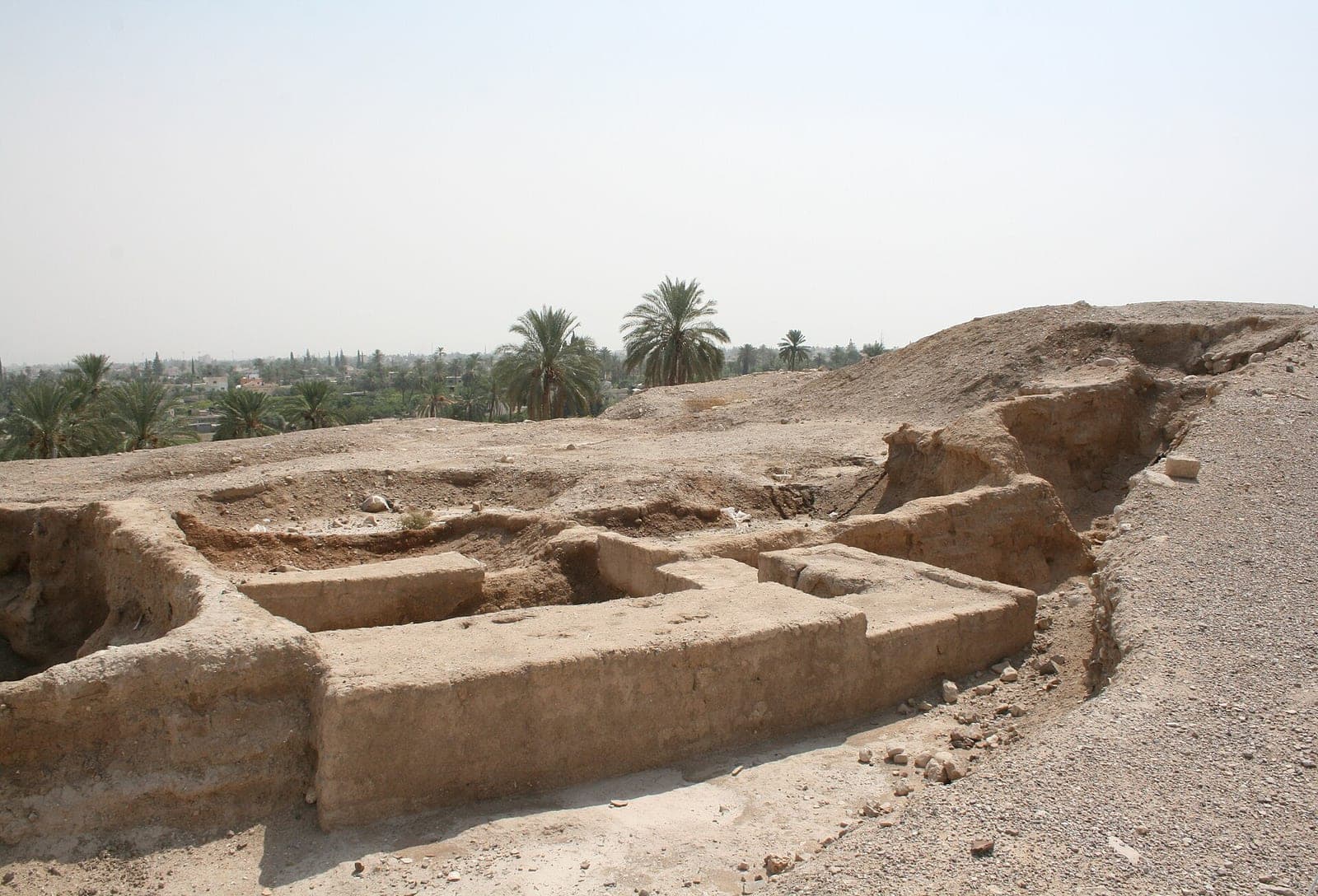
Photo: Diego Delso, via Wikimedia Commons. License: CC BY-SA 3.0. Source. Location: Tell es-Sultan, Jericho, West Bank. Resized for the web.
Explore the places of the Bible
See where biblical events happened, why each place matters, and what archaeology helps us understand.
Jericho
The city of palm trees, whose walls fell in Joshua's day.
Get full access with one subscription
Explore the people and places of the Bible. Read summaries of every book, with images and clear explanations covering every chapter. Access all these features and our Bible study tools with one subscription.
See PlansAsk AI about Isaiah 6:5
Ask a question about this verse and get a clear answer, with Bible references you can read for yourself.
Every Bible book, explained chapter by chapter
Explore summaries of every book of the Bible, with images and easy-to-understand explanations covering every chapter.
Keep studying Isaiah 6:5
Related Bible verses
Key themes
Related topics
At a Glance — the Book of Isaiah
- Author
- Isaiah the prophet
- Written
- Around 700 BC
- Genre
- Prophecy
- Original Audience
- Judah and the surrounding nations
Frequently Asked Questions
Quick, clear answers about this verse
What does Isaiah mean by 'unclean lips'?
In Isaiah 6:5, 'unclean lips' symbolizes not only Isaiah's speech but also his overall moral and spiritual impurity. It reflects a deeper sense of unworthiness in the presence of God's holiness. This phrase indicates that Isaiah recognizes his flaws and the flaws of his community, emphasizing the need for purification and repentance before God.
Why does Isaiah say 'Woe is me'?
Isaiah's exclamation 'Woe is me!' expresses his profound distress and realization of his sinfulness upon encountering God's holiness. This phrase signifies a moment of self-awareness where he acknowledges his unworthiness and the gravity of his situation. It highlights the contrast between God's perfection and human imperfection, prompting a call for humility and repentance.
How does this verse relate to personal transformation?
Isaiah 6:5 illustrates a pivotal moment of self-awareness that leads to personal transformation. By recognizing his uncleanliness in the presence of God, Isaiah sets the stage for his purification and prophetic calling. This encounter encourages individuals to confront their own shortcomings, seek spiritual growth, and embrace the transformative power of God's holiness in their lives.
What can we learn about humility from Isaiah 6:5?
Isaiah 6:5 teaches us the importance of humility in recognizing our flaws and limitations. Isaiah's reaction to God's holiness serves as a reminder that acknowledging our imperfections is the first step toward spiritual growth. This humility opens the door for personal transformation and a deeper relationship with God, as it encourages us to seek His guidance and purification.
Daily Verse — straight to your inbox
A verse and a 2-sentence plain-English explanation, every morning. Free. Unsubscribe anytime.