Isaiah 7:15
He will eat butter and honey so that he may know to refuse the evil and choose the good.
What Isaiah 7:15 means
Plain-English insight for readers
In Isaiah 7:15, the reference to eating butter and honey symbolizes a simple and nourishing diet that reflects a time of peace and abundance. The verse indicates that the child mentioned will grow up in a context where he learns to discern between right and wrong. The act of eating these foods is not just about sustenance; it represents a formative experience that will help him develop moral clarity. The emphasis on knowing to refuse evil and choose good highlights the importance of making wise choices in life. This verse serves as a reminder that our early experiences and the environment we grow up in can significantly influence our ability to make ethical decisions. It suggests that nurturing and guidance are essential for developing a strong moral compass, which is crucial for navigating life's challenges.
How to apply Isaiah 7:15 to your life
This verse encourages us to create environments that foster moral understanding in children. By providing them with positive experiences and guidance, we can help them learn to make wise choices. Reflect on how you can support the young people in your life to develop their ability to discern right from wrong.
In the King James Version
Butter and honey shall he eat, that he may know to refuse the evil, and choose the good.
Ask about this verse
Ask anything about Isaiah 7:15 and get a clear answer from Scripture.
Have a question about this verse? Explore it with ClearBible.
Premium answers your questions about any verse from Scripture itself, shows the verses it rests on, and opens Clear on every passage. You also get all 66 book summaries.
7 days free, then $99/year. Card required. Cancel anytime.
Learn the Bible through its people and places
Get to know the people in Scripture through illustrated stories, and explore the places where they lived and traveled.

Illustrated scene from Isaiah's story: A Sign for Ahaz (Isaiah 7:1–17)
Meet the people of the Bible
Follow their lives in order, with illustrated scenes and Bible passages that tell their stories.
 Isaiah
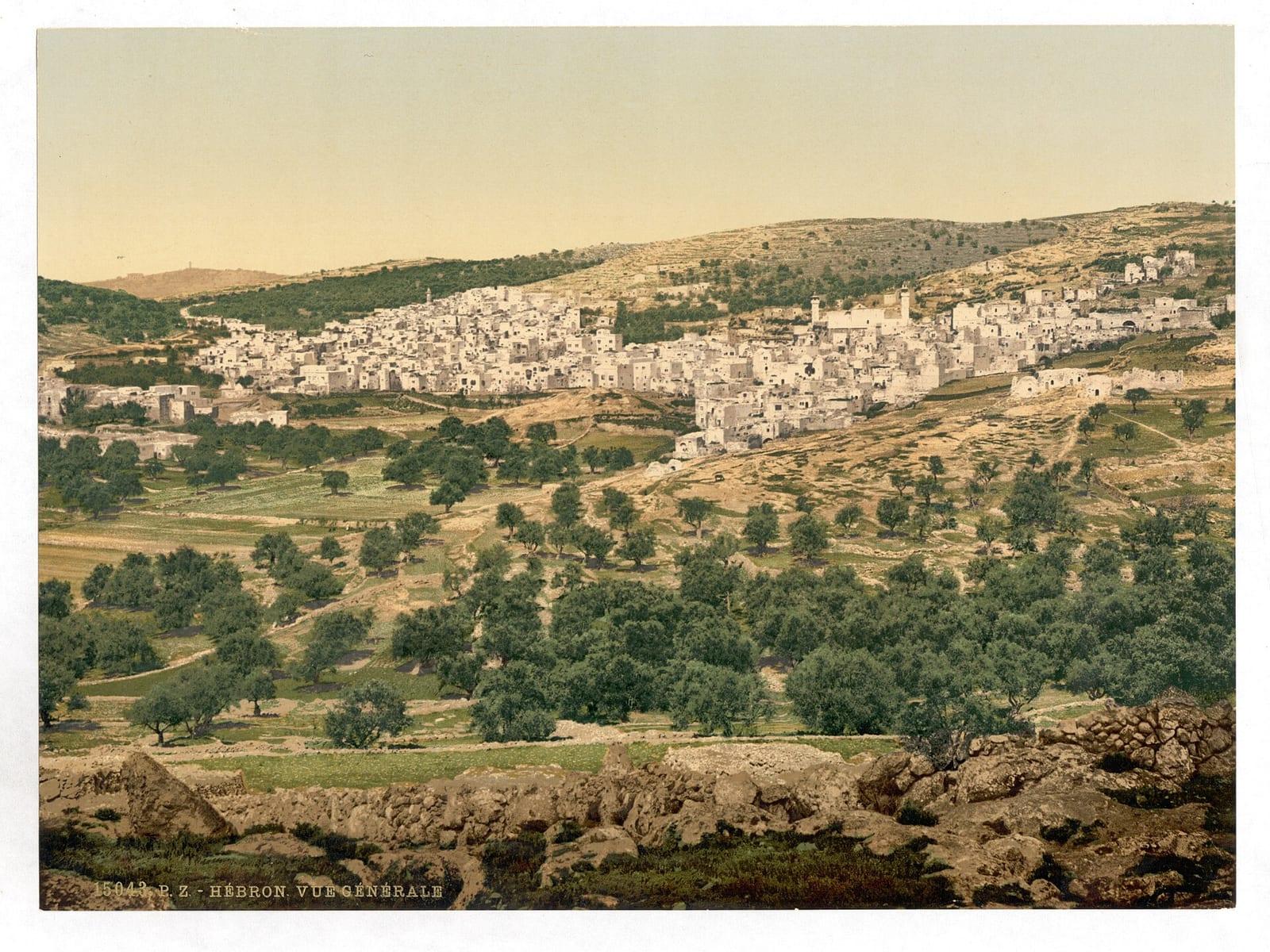
Photo: Photochrom print, Library of Congress Prints and Photographs Division (LCCN 2002724987). License: Public domain in the United States; Library of Congress states no known restrictions on publication. Source. Location: Hebron, West Bank; print preserved by the Library of Congress. Resized for the web.
Explore the places of the Bible
See where biblical events happened, why each place matters, and what archaeology helps us understand.
Hebron
Where Abraham lived and buried Sarah, and where David was first made king.
Every Bible book, explained chapter by chapter
Explore summaries of every book of the Bible, with images and easy-to-understand explanations covering every chapter.
Keep studying Isaiah 7:15
Related Bible verses
Key themes
At a Glance — the Book of Isaiah
- Author
- Isaiah the prophet
- Written
- Around 700 BC
- Genre
- Prophecy
- Original Audience
- Judah and the surrounding nations
Frequently Asked Questions
Quick, clear answers about this verse
What does Isaiah 7:15 mean?
Isaiah 7:15 means that the child will grow up in a peaceful environment where he learns to distinguish between good and evil. The mention of butter and honey symbolizes a nurturing upbringing that supports moral development.
What is the significance of butter and honey in Isaiah 7:15?
In Isaiah 7:15, butter and honey symbolize a simple and nourishing diet that reflects abundance and peace. This imagery highlights the importance of a supportive environment for moral growth.
How does Isaiah 7:15 relate to childhood development?
Isaiah 7:15 relates to childhood development by illustrating how early experiences and guidance influence a child's ability to discern right from wrong. It underscores the importance of providing a positive environment for moral learning.
What themes are present in Isaiah 7:15?
The themes present in Isaiah 7:15 include moral discernment, childhood development, the contrast between good and evil, and the importance of guidance in making choices.
Daily Verse — straight to your inbox
A verse and a 2-sentence plain-English explanation, every morning. Free. Unsubscribe anytime.