New Testament
James 1:26
Read the Bible in clear, modern English—easy to understand, faithful to the meaning, and written for everyday readers.
If anyone considers themselves religious but doesn't control their tongue, they're deceiving their own heart, and their religion is worthless.
Compare translations
If any man among you seem to be religious, and bridleth not his tongue, but deceiveth his own heart, this man’s religion is vain.
What James 1:26 means
Plain-English insight for readers
In this verse, James emphasizes the importance of controlling one's speech as a key indicator of true religion. He points out that many people may think they are religious, but if they cannot manage their words, they are fooling themselves. The tongue can be a powerful tool for good or harm, and failing to control it reveals a lack of genuine faith. This suggests that outward expressions of faith are meaningless if they are not accompanied by self-discipline and integrity in communication. True religion is not just about rituals or appearances; it requires a transformation of the heart that influences how we speak and interact with others. Therefore, a person’s ability to control their tongue is a reflection of their spiritual maturity and authenticity in their relationship with God.
How to apply James 1:26 to your life
To apply this verse, we should regularly examine our speech and its impact on others. Practicing self-control in our words can help us reflect our faith genuinely. Engaging in thoughtful communication can strengthen our relationships and demonstrate our commitment to living out our beliefs.
Curated for this public verse page. James Summary
Explore more of the Bible
Learn the Bible through its people and places
Get to know the people in Scripture through illustrated stories, and explore the places where they lived and traveled.
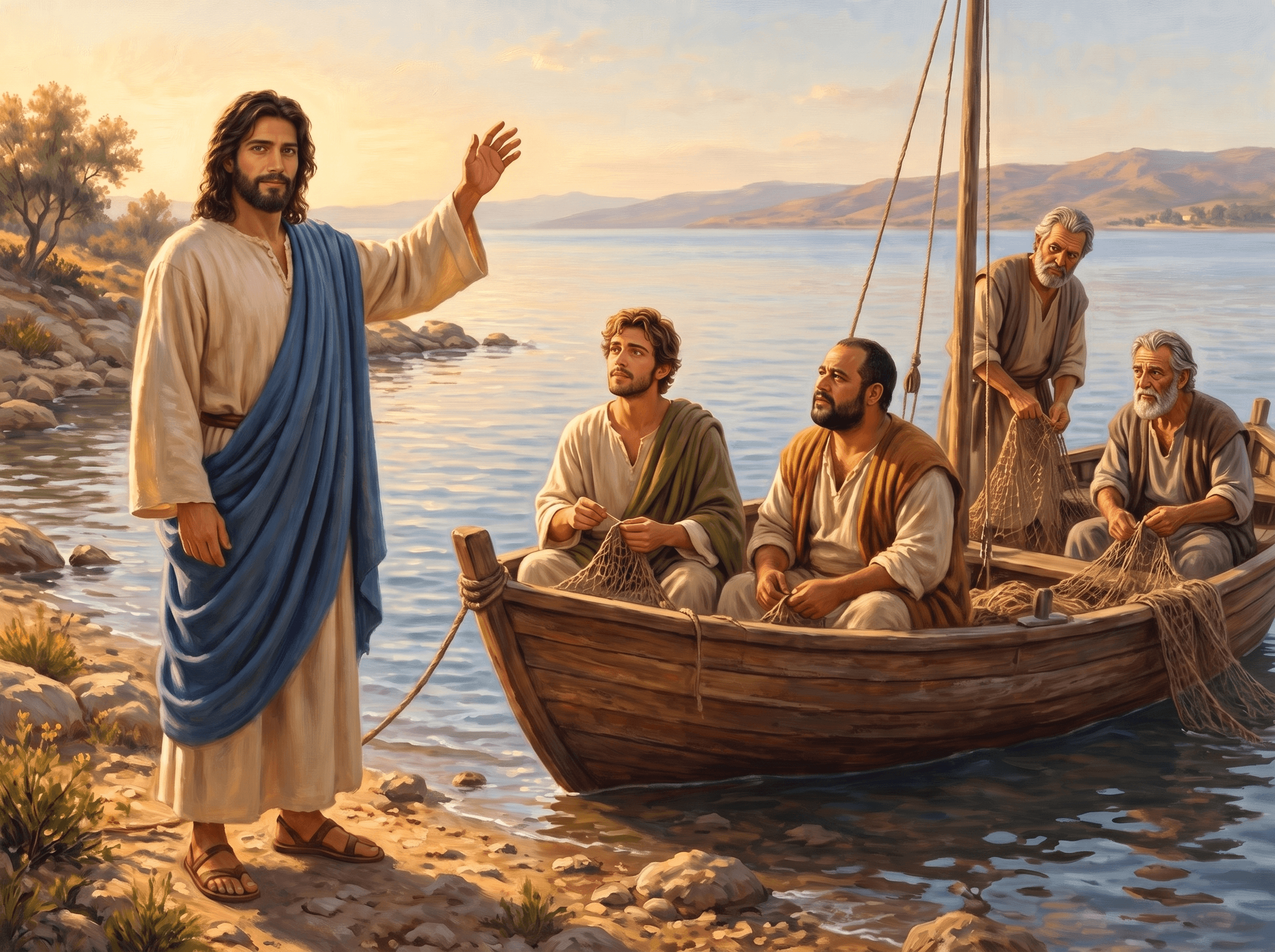
Illustrated scene from John the Apostle's story: Mending Their Nets (Mark 1:19–20)
Meet the people of the Bible
Follow their lives in order, with illustrated scenes and Bible passages that tell their stories.
 John the Apostle

Photo: Gary Todd (Gary Lee Todd, Ph.D.), via Wikimedia Commons. License: CC0 1.0 Universal Public Domain Dedication. Source. Location: Southern end of the Temple Mount, Jerusalem Old City. Resized for the web.
Explore the places of the Bible
See where biblical events happened, why each place matters, and what archaeology helps us understand.
Jerusalem
David's capital, the city of the temple, and the place where Jesus died and rose again.
Get full access with one subscription
Explore the people and places of the Bible. Read summaries of every book, with images and clear explanations covering every chapter. Access all these features and our Bible study tools with one subscription.
See PlansAsk AI about James 1:26
Ask a question about this verse and get a clear answer, with Bible references you can read for yourself.
Every Bible book, explained chapter by chapter
Explore summaries of every book of the Bible, with images and easy-to-understand explanations covering every chapter.
Keep studying James 1:26
Related Bible verses
At a Glance — the Book of James
- Author
- James, the brother of Jesus
- Written
- Around AD 45-50
- Genre
- Letter (epistle)
- Original Audience
- Jewish Christians scattered abroad
Frequently Asked Questions
Quick, clear answers about this verse
What does James 1:26 mean?
James 1:26 highlights the importance of controlling one's speech as a sign of true religion. It suggests that if someone cannot manage their words, they are deceiving themselves about their faith, making their religious practices meaningless.
What is the meaning of 'bridleth not his tongue' in James 1:26?
'Bridleth not his tongue' means failing to control one's speech. In this context, it indicates that a lack of self-control in communication reflects a deeper issue with one's faith and authenticity.
How can I apply James 1:26 in my life?
To apply James 1:26, regularly assess how your words affect others and practice self-control in your speech. Thoughtful communication can enhance your relationships and show your commitment to your beliefs.
What themes are present in James 1:26?
Key themes in James 1:26 include control of speech, authenticity in faith, self-deception, true religion, and spiritual maturity. These themes emphasize the importance of aligning our words with our beliefs.
Daily Verse — straight to your inbox
A verse and a 2-sentence plain-English explanation, every morning. Free. Unsubscribe anytime.