New Testament
James 2:24
Read the Bible in clear, modern English—easy to understand, faithful to the meaning, and written for everyday readers.
You see then that a person is justified by works and not by faith alone.
Compare translations
Ye see then how that by works a man is justified, and not by faith only.
What James 2:24 means
Plain-English insight for readers
In this verse, James emphasizes that faith alone is not enough for justification, which means being declared righteous before God. He argues that true faith is demonstrated through actions or works. This means that while belief in God is essential, it must be accompanied by good deeds that reflect that faith. James is addressing a common misunderstanding that one can have faith without any corresponding actions. He uses the example of Abraham, who was justified by his willingness to sacrifice his son Isaac, showing that his faith was active and alive through his works. Therefore, this verse teaches that genuine faith will naturally produce good works as evidence of that faith. It challenges believers to examine their lives and ensure that their faith is not just a matter of words but is actively expressed through their actions.
How to apply James 2:24 to your life
To live out your faith, look for opportunities to serve others and demonstrate love through your actions. Reflect on how your beliefs can translate into tangible deeds that align with your faith. Remember, your actions can inspire others and show the reality of your faith.
Curated for this public verse page. James Summary
Explore more of the Bible
Learn the Bible through its people and places
Get to know the people in Scripture through illustrated stories, and explore the places where they lived and traveled.

Illustrated scene from Jesus's story: An Angel Visits Mary (Luke 1:26–38)
Meet the people of the Bible
Follow their lives in order, with illustrated scenes and Bible passages that tell their stories.
 Jesus
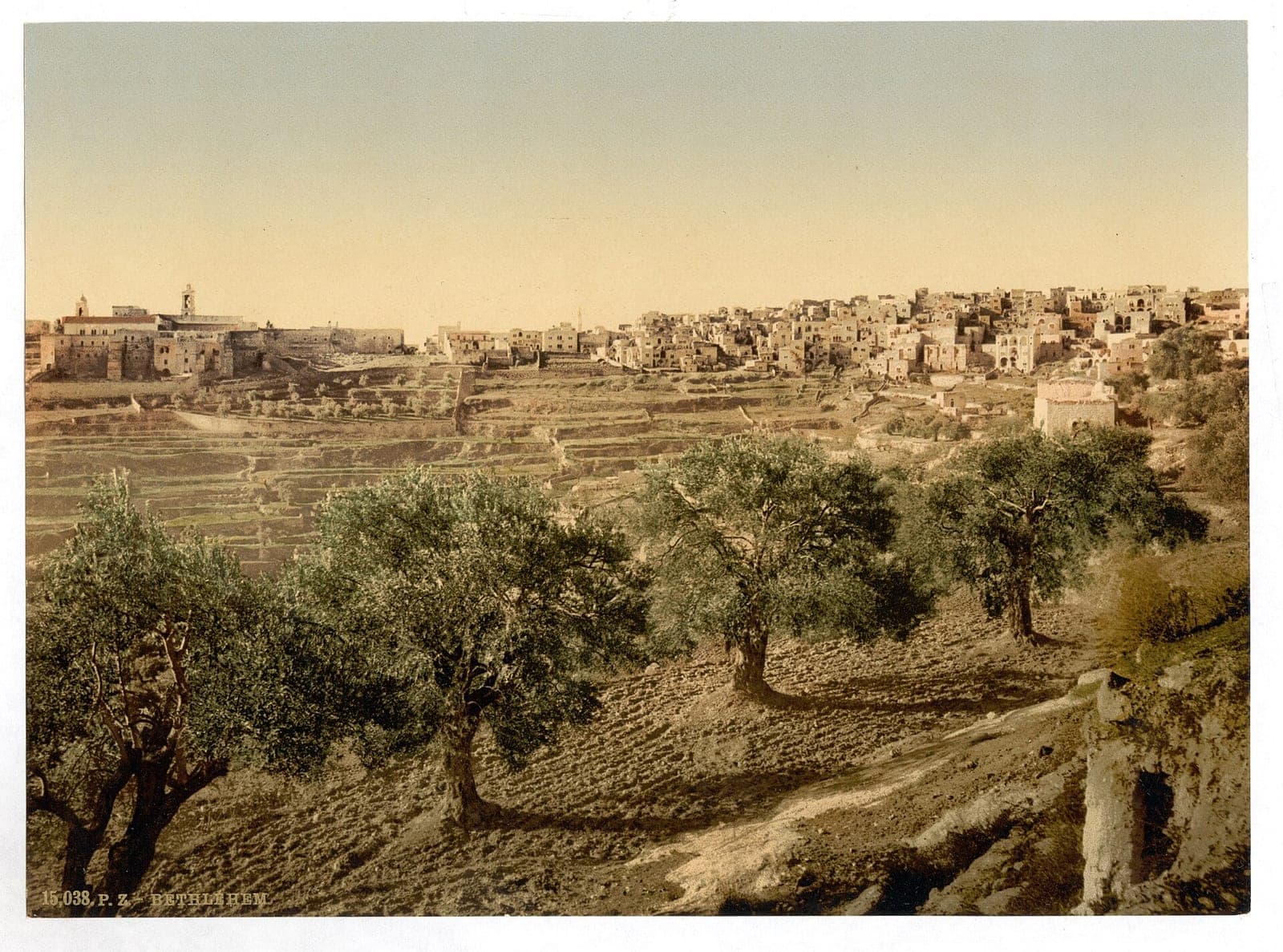
Photo: Photochrom print, Library of Congress Prints and Photographs Division (LCCN 2002724966). License: Public domain in the United States; Library of Congress states no known restrictions on publication. Source. Location: Bethlehem, West Bank; print preserved by the Library of Congress. Resized for the web.
Explore the places of the Bible
See where biblical events happened, why each place matters, and what archaeology helps us understand.
Bethlehem
David's hometown, and the town where Jesus was born.
Get full access with one subscription
Explore the people and places of the Bible. Read summaries of every book, with images and clear explanations covering every chapter. Access all these features and our Bible study tools with one subscription.
See PlansAsk AI about James 2:24
Ask a question about this verse and get a clear answer, with Bible references you can read for yourself.
Every Bible book, explained chapter by chapter
Explore summaries of every book of the Bible, with images and easy-to-understand explanations covering every chapter.
Keep studying James 2:24
Related Bible verses
Key themes
Related topics
At a Glance — the Book of James
- Author
- James, the brother of Jesus
- Written
- Around AD 45-50
- Genre
- Letter (epistle)
- Original Audience
- Jewish Christians scattered abroad
Frequently Asked Questions
Quick, clear answers about this verse
What does James 2:24 mean?
James 2:24 means that a person is declared righteous by their actions, not just by believing. It emphasizes that true faith is shown through good works.
What is the meaning of justification in James 2:24?
Justification in James 2:24 refers to being declared righteous before God. This verse teaches that this declaration comes through actions that reflect genuine faith.
How does Abraham relate to James 2:24?
Abraham is used as an example in James 2:24 to illustrate that his faith was active and demonstrated through his willingness to sacrifice Isaac, showing that faith and works are interconnected.
Daily Verse — straight to your inbox
A verse and a 2-sentence plain-English explanation, every morning. Free. Unsubscribe anytime.