Old Testament
Jeremiah 10:20
Read the Bible in clear, modern English—easy to understand, faithful to the meaning, and written for everyday readers.
My tabernacle is destroyed, and all my cords are broken. My children have left me, and they are not here. There is no one to set up my tent or hang my curtains.
Compare translations
My tabernacle is spoiled, and all my cords are broken: my children are gone forth of me, and they are not: there is none to stretch forth my tent any more, and to set up my curtains.
What Jeremiah 10:20 means
Plain-English insight for readers
In this verse, the speaker expresses deep sorrow over the destruction of their home, symbolized by the tabernacle. The broken cords represent the loss of stability and support, while the absence of children signifies abandonment and loneliness. The imagery of setting up a tent and hanging curtains illustrates the need for community and connection, which is now lost. This reflects a broader theme of loss and the consequences of separation from loved ones. The speaker feels helpless, as there is no one left to restore what has been lost. This verse captures the emotional weight of feeling abandoned and the longing for restoration and companionship.
How to apply Jeremiah 10:20 to your life
This verse reminds us of the importance of community and support in our lives. When we feel abandoned or lost, reaching out to others can help restore our sense of belonging. It encourages us to be present for those who may be struggling and to help rebuild connections.
Curated for this public verse page. Jeremiah Summary
Explore more of the Bible
Learn the Bible through its people and places
Get to know the people in Scripture through illustrated stories, and explore the places where they lived and traveled.

Illustrated scene from Daniel's story: Faithful at the King's Table (Daniel 1:1–21)
Meet the people of the Bible
Follow their lives in order, with illustrated scenes and Bible passages that tell their stories.
 Daniel
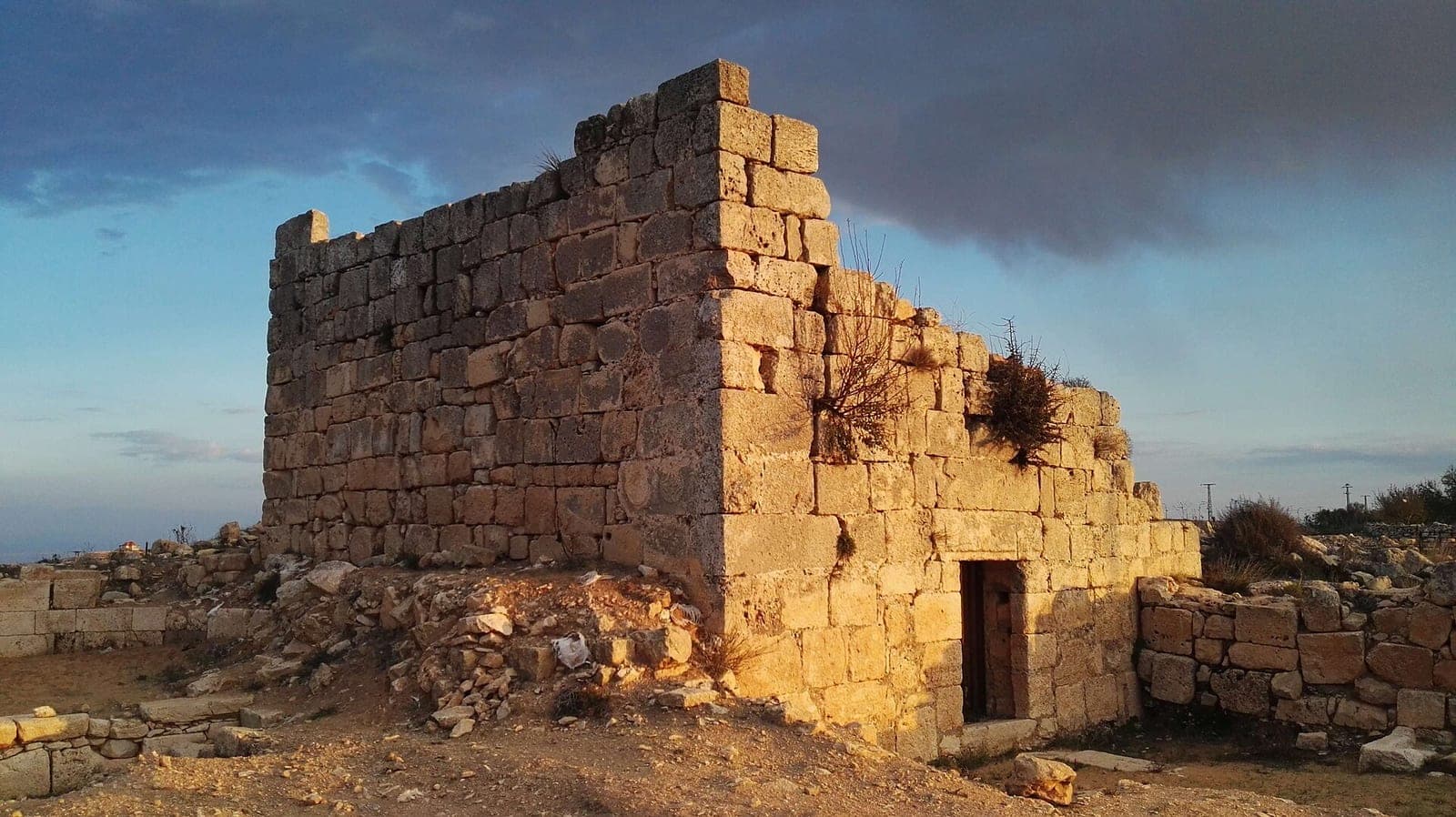
Photo: Bukvoed, via Wikimedia Commons. License: CC BY 4.0. Source. Location: Burj Beitin, Beitin, Ramallah and al-Bireh Governorate, West Bank. Resized for the web.
Explore the places of the Bible
See where biblical events happened, why each place matters, and what archaeology helps us understand.
Bethel
Where Jacob dreamed of a stairway to heaven and met God.
Get full access with one subscription
Explore the people and places of the Bible. Read summaries of every book, with images and clear explanations covering every chapter. Access all these features and our Bible study tools with one subscription.
See PlansAsk AI about Jeremiah 10:20
Ask a question about this verse and get a clear answer, with Bible references you can read for yourself.
Every Bible book, explained chapter by chapter
Explore summaries of every book of the Bible, with images and easy-to-understand explanations covering every chapter.
Keep studying Jeremiah 10:20
Related Bible verses
Key themes
Related topics
At a Glance — the Book of Jeremiah
- Author
- Jeremiah the prophet, with Baruch
- Written
- Around 600 BC
- Genre
- Prophecy
- Original Audience
- Judah before and during the Babylonian exile
Frequently Asked Questions
Quick, clear answers about this verse
What does Jeremiah 10:20 mean?
Jeremiah 10:20 expresses the speaker's profound sorrow over the destruction of their home, represented by the tabernacle. It highlights feelings of abandonment and loneliness due to the absence of loved ones and the loss of stability.
What is the significance of the tabernacle in Jeremiah 10:20?
In Jeremiah 10:20, the tabernacle symbolizes the speaker's home and sense of security. Its destruction reflects not only physical loss but also emotional turmoil and the longing for community.
What does the phrase 'my cords are broken' mean in Jeremiah 10:20?
The phrase 'my cords are broken' in Jeremiah 10:20 signifies a loss of support and stability. It illustrates how the speaker feels disconnected and unable to maintain their sense of belonging.
What themes are present in Jeremiah 10:20?
Jeremiah 10:20 encompasses themes of loss, abandonment, destruction, loneliness, community, and restoration. It captures the emotional impact of separation from loved ones and the desire for reconnection.
Daily Verse — straight to your inbox
A verse and a 2-sentence plain-English explanation, every morning. Free. Unsubscribe anytime.