Old Testament
Jeremiah 14:15
Read the Bible in clear, modern English—easy to understand, faithful to the meaning, and written for everyday readers.
"So this is what the LORD says about those prophets who speak in my name even though I never sent them — the ones who say, 'There will be no war or famine in this land': Those very prophets will die by war and famine."
Compare translations
Therefore thus saith the LORD concerning the prophets that prophesy in my name, and I sent them not, yet they say, Sword and famine shall not be in this land; By sword and famine shall those prophets be consumed.
What Jeremiah 14:15 means
Plain-English insight for readers
In this verse, God addresses false prophets who claim to speak on His behalf, assuring the people that they will not face war or famine. However, God makes it clear that these prophets were not sent by Him and their messages are misleading. As a consequence of their false prophecies, they will face the very disasters they deny—war and famine. This serves as a warning about the dangers of false assurances and the importance of discerning true messages from God. The prophets' fate reflects the seriousness of misrepresenting God's word and the consequences that follow for leading people astray. It emphasizes that God holds accountable those who claim to speak for Him without His authorization, highlighting the need for integrity and truth in spiritual leadership.
How to apply Jeremiah 14:15 to your life
This verse reminds us to be cautious about whom we listen to in spiritual matters. It encourages us to seek genuine guidance from God and to be discerning about teachings that contradict His word. We should also strive to communicate truthfully and responsibly in our own lives.
Curated for this public verse page. Jeremiah Summary
Explore more of the Bible
Learn the Bible through its people and places
Get to know the people in Scripture through illustrated stories, and explore the places where they lived and traveled.

Illustrated scene from Esther's story: Esther Becomes Queen (Esther 2:1–18)
Meet the people of the Bible
Follow their lives in order, with illustrated scenes and Bible passages that tell their stories.
 Esther
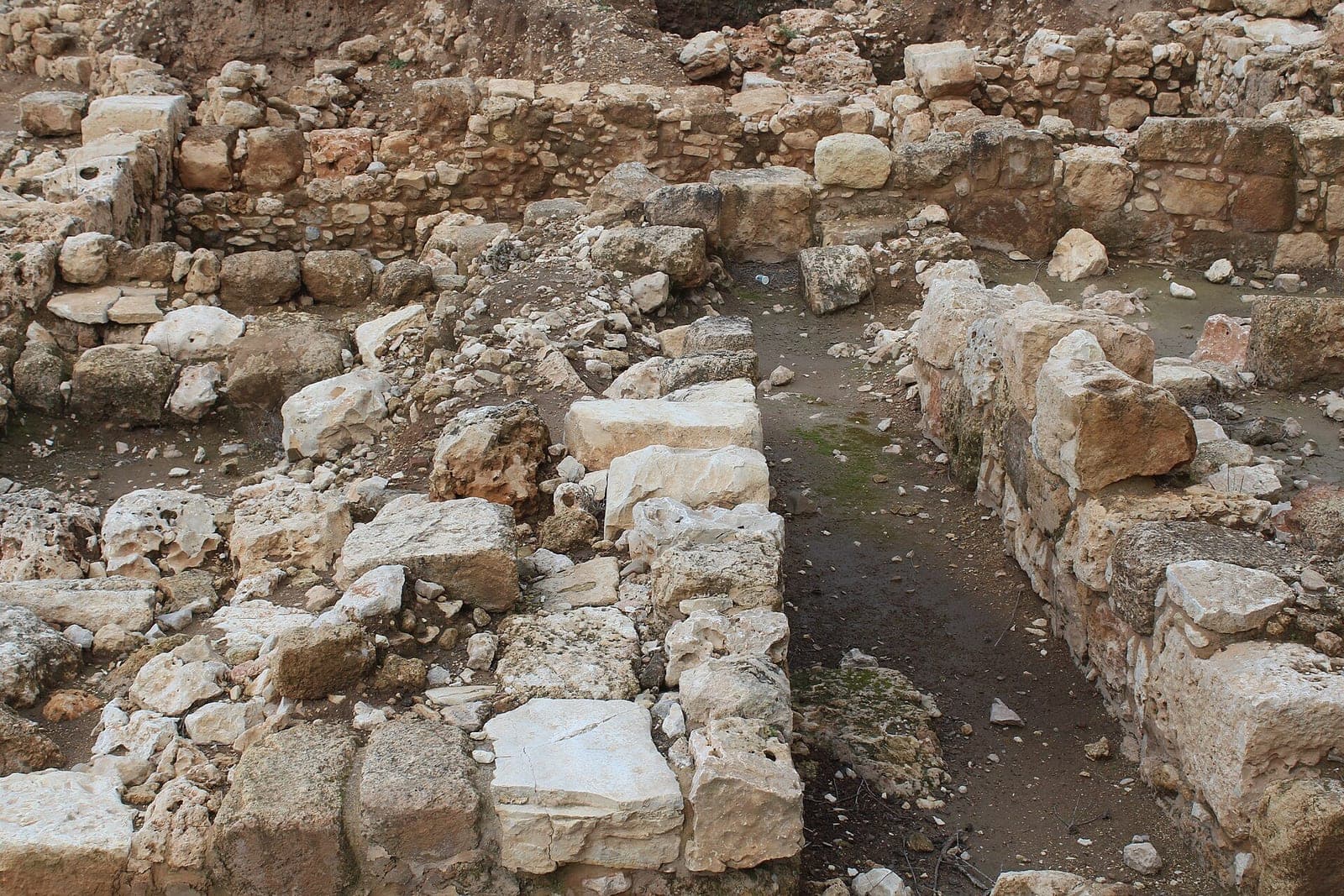
Photo: Deror Avi, via Wikimedia Commons. License: CC BY-SA 4.0. Source. Location: Tel Shiloh archaeological site, West Bank. Resized for the web.
Explore the places of the Bible
See where biblical events happened, why each place matters, and what archaeology helps us understand.
Shiloh
Where Israel set up the tabernacle, and where God called the boy Samuel.
Get full access with one subscription
Explore the people and places of the Bible. Read summaries of every book, with images and clear explanations covering every chapter. Access all these features and our Bible study tools with one subscription.
See PlansAsk AI about Jeremiah 14:15
Ask a question about this verse and get a clear answer, with Bible references you can read for yourself.
Every Bible book, explained chapter by chapter
Explore summaries of every book of the Bible, with images and easy-to-understand explanations covering every chapter.
Keep studying Jeremiah 14:15
Related Bible verses
Key themes
At a Glance — the Book of Jeremiah
- Author
- Jeremiah the prophet, with Baruch
- Written
- Around 600 BC
- Genre
- Prophecy
- Original Audience
- Judah before and during the Babylonian exile
Frequently Asked Questions
Quick, clear answers about this verse
What does Jeremiah 14:15 mean?
Jeremiah 14:15 addresses false prophets who claim to speak for God, assuring people that they will not face war or famine. God declares that these prophets were not sent by Him and will face the very disasters they deny, highlighting the seriousness of misrepresenting His word.
What is the significance of false prophets in Jeremiah 14:15?
In Jeremiah 14:15, false prophets are significant because they provide misleading assurances to the people, claiming safety from war and famine. Their false messages lead to dire consequences, emphasizing the importance of discerning true prophecies from God.
What does 'sword and famine' refer to in Jeremiah 14:15?
In Jeremiah 14:15, 'sword and famine' refer to the impending disasters of war and hunger that God warns will come upon the people. These terms symbolize the severe consequences that will befall those who listen to false prophets.
How does Jeremiah 14:15 relate to God's authority?
Jeremiah 14:15 illustrates God's authority by showing that He holds accountable those who falsely claim to speak for Him. It emphasizes that only true prophets, sent by God, should be trusted, and warns against the dangers of deceitful teachings.
Daily Verse — straight to your inbox
A verse and a 2-sentence plain-English explanation, every morning. Free. Unsubscribe anytime.