Old Testament
Jeremiah 2:28
Read the Bible in clear, modern English—easy to understand, faithful to the meaning, and written for everyday readers.
"Where are the gods you made for yourselves? Let them get up and save you when trouble strikes — if they can! Because you have as many gods as you have cities, Judah.
Compare translations
But where are thy gods that thou hast made thee? let them arise, if they can save thee in the time of thy trouble: for according to the number of thy cities are thy gods, O Judah.
What Jeremiah 2:28 means
Plain-English insight for readers
In this verse, God challenges the people of Judah about their reliance on false gods. He asks them where these idols are when they face trouble, implying that they are powerless to help. The mention of having as many gods as cities highlights the extent of their idolatry. God is pointing out the futility of worshipping these man-made deities, which cannot provide any real assistance in times of crisis. This serves as a reminder that true help and salvation come from the one true God, not from the idols they have created. The verse emphasizes the emptiness of placing trust in anything other than God, who is the only source of strength and deliverance. It calls the people to reflect on their choices and the consequences of turning away from the living God to pursue falsehoods that cannot save them.
How to apply Jeremiah 2:28 to your life
This verse encourages us to examine what we rely on in difficult times. Are we turning to things that cannot help us, like material possessions or distractions? Instead, we should place our trust in God, who is always present and capable of providing true support and salvation.
Curated for this public verse page. Jeremiah Summary
Explore more of the Bible
Learn the Bible through its people and places
Get to know the people in Scripture through illustrated stories, and explore the places where they lived and traveled.

Illustrated scene from Daniel's story: Faithful at the King's Table (Daniel 1:1–21)
Meet the people of the Bible
Follow their lives in order, with illustrated scenes and Bible passages that tell their stories.
 Daniel
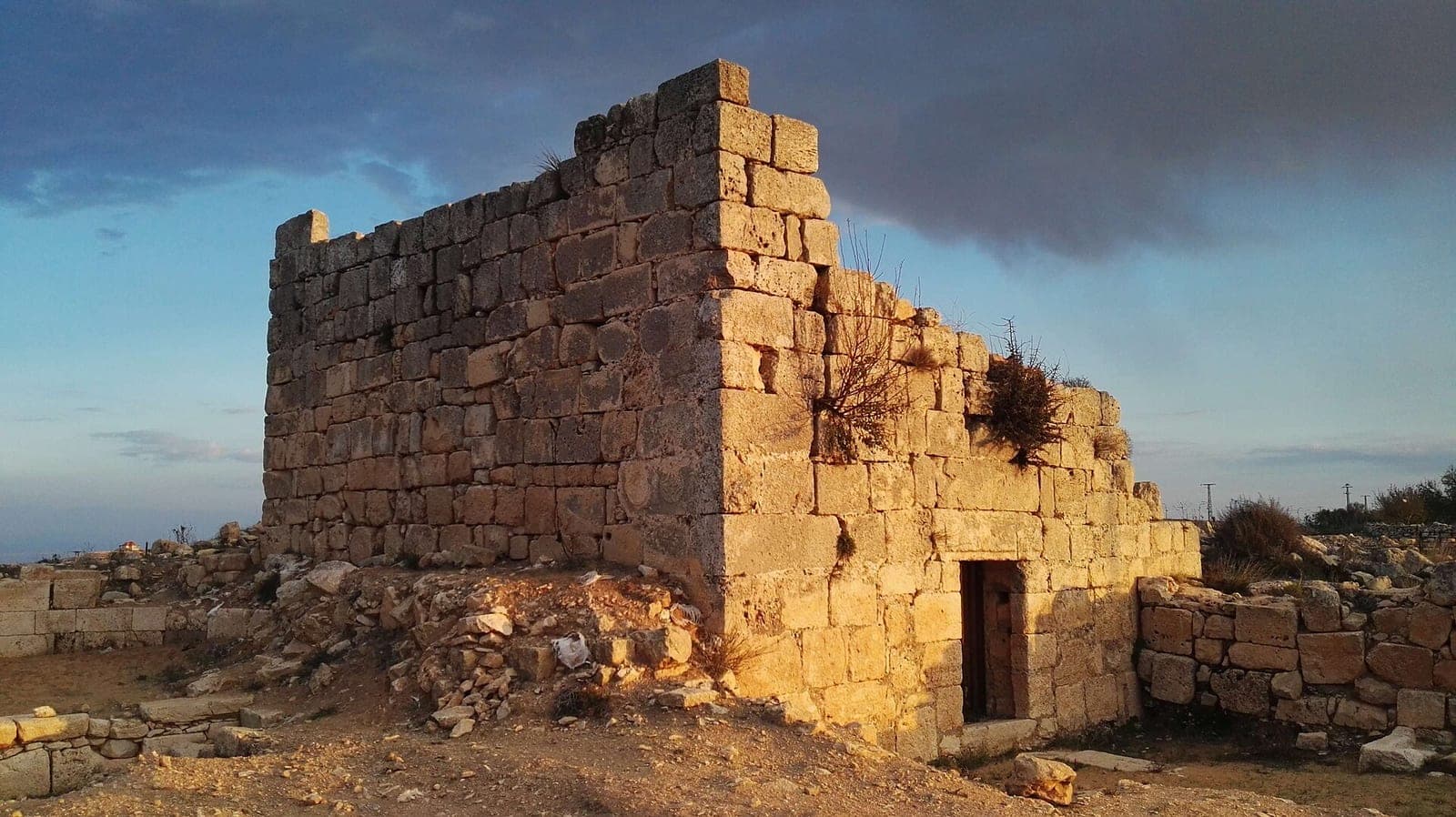
Photo: Bukvoed, via Wikimedia Commons. License: CC BY 4.0. Source. Location: Burj Beitin, Beitin, Ramallah and al-Bireh Governorate, West Bank. Resized for the web.
Explore the places of the Bible
See where biblical events happened, why each place matters, and what archaeology helps us understand.
Bethel
Where Jacob dreamed of a stairway to heaven and met God.
Get full access with one subscription
Explore the people and places of the Bible. Read summaries of every book, with images and clear explanations covering every chapter. Access all these features and our Bible study tools with one subscription.
See PlansAsk AI about Jeremiah 2:28
Ask a question about this verse and get a clear answer, with Bible references you can read for yourself.
Every Bible book, explained chapter by chapter
Explore summaries of every book of the Bible, with images and easy-to-understand explanations covering every chapter.
Keep studying Jeremiah 2:28
Related Bible verses
At a Glance — the Book of Jeremiah
- Author
- Jeremiah the prophet, with Baruch
- Written
- Around 600 BC
- Genre
- Prophecy
- Original Audience
- Judah before and during the Babylonian exile
Frequently Asked Questions
Quick, clear answers about this verse
What does Jeremiah 2:28 mean?
Jeremiah 2:28 questions the people of Judah about their reliance on false gods, highlighting their inability to help in times of trouble. It emphasizes the futility of worshipping idols that cannot provide real assistance, urging the people to recognize the power of the one true God.
What is the significance of having many gods in Jeremiah 2:28?
The mention of having as many gods as cities in Jeremiah 2:28 illustrates the extent of Judah's idolatry. It signifies that their trust is misplaced in numerous powerless idols rather than in God, who is the only source of true help.
What does the phrase 'let them arise' in Jeremiah 2:28 mean?
The phrase 'let them arise' in Jeremiah 2:28 is a challenge to the false gods, suggesting that if they are real, they should be able to save the people in times of trouble. It underscores their impotence and the absurdity of relying on them.
How does Jeremiah 2:28 relate to idolatry?
Jeremiah 2:28 directly addresses the issue of idolatry by questioning the effectiveness of the idols that the people have created. It serves as a reminder that these man-made gods are powerless and cannot provide the help that the people need.
Daily Verse — straight to your inbox
A verse and a 2-sentence plain-English explanation, every morning. Free. Unsubscribe anytime.