Old Testament
Jeremiah 23:31
Read the Bible in clear, modern English—easy to understand, faithful to the meaning, and written for everyday readers.
I am against these prophets," declares the LORD, "who wag their own tongues and then announce, 'The LORD declares.'
Compare translations
Behold, I am against the prophets, saith the LORD, that use their tongues, and say, He saith.
What Jeremiah 23:31 means
Plain-English insight for readers
In this verse, God expresses His strong disapproval of false prophets who speak on His behalf without true authority. These prophets are characterized by their self-serving speech, using their own words rather than conveying God's genuine message. The phrase 'wag their own tongues' suggests that they are not only speaking freely but are also misleading others by claiming divine inspiration. This warning highlights the seriousness of misrepresenting God's words and the consequences that come with it. God is clear that He stands against those who distort His message for personal gain or popularity. The verse serves as a reminder that true prophecy must align with God's will and that individuals should be cautious of those who claim to speak for Him without genuine revelation. It emphasizes the importance of discernment in spiritual matters and the need for accountability among those who teach or lead others in faith.
How to apply Jeremiah 23:31 to your life
This verse encourages us to be discerning about the teachings we follow. We should seek to understand God's true message and be wary of those who speak without His authority. It reminds us to verify teachings against Scripture and to hold leaders accountable for their words.
Curated for this public verse page. Jeremiah Summary
Explore more of the Bible
Learn the Bible through its people and places
Get to know the people in Scripture through illustrated stories, and explore the places where they lived and traveled.

Illustrated scene from Noah's story: Noah Is Born (Genesis 5:28–32)
Meet the people of the Bible
Follow their lives in order, with illustrated scenes and Bible passages that tell their stories.
 Noah
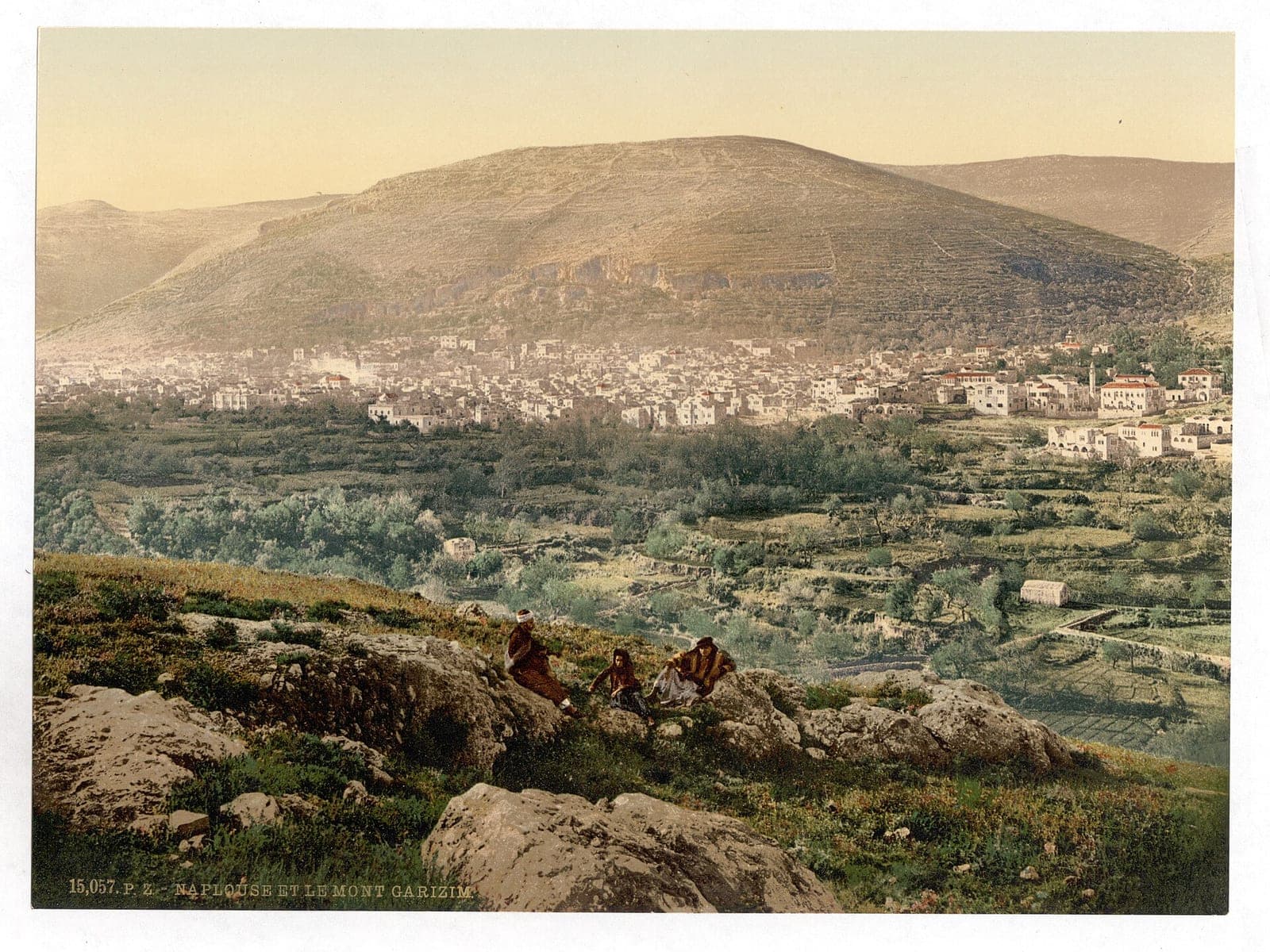
Photo: Photochrom print, Library of Congress Prints and Photographs Division (LCCN 2002725043). License: Public domain in the United States; Library of Congress states no known restrictions on publication. Source. Location: Nablus and Mount Gerizim, West Bank; print preserved by the Library of Congress. Resized for the web.
Explore the places of the Bible
See where biblical events happened, why each place matters, and what archaeology helps us understand.
Shechem
Where God promised the land to Abram, and where Joshua led Israel to renew the covenant.
Get full access with one subscription
Explore the people and places of the Bible. Read summaries of every book, with images and clear explanations covering every chapter. Access all these features and our Bible study tools with one subscription.
See PlansAsk AI about Jeremiah 23:31
Ask a question about this verse and get a clear answer, with Bible references you can read for yourself.
Every Bible book, explained chapter by chapter
Explore summaries of every book of the Bible, with images and easy-to-understand explanations covering every chapter.
Keep studying Jeremiah 23:31
Related Bible verses
Key themes
Related topics
At a Glance — the Book of Jeremiah
- Author
- Jeremiah the prophet, with Baruch
- Written
- Around 600 BC
- Genre
- Prophecy
- Original Audience
- Judah before and during the Babylonian exile
Frequently Asked Questions
Quick, clear answers about this verse
What does Jeremiah 23:31 say about false prophets?
Jeremiah 23:31 highlights God's strong opposition to false prophets who speak on His behalf without true authority. The verse indicates that these prophets use their own words, misrepresenting God's message and misleading others. God emphasizes the seriousness of this misrepresentation and warns of the consequences for those who distort His words for personal gain.
How can I identify a false prophet according to Jeremiah 23:31?
To identify a false prophet, look for those who speak without genuine revelation from God and rely on their own words rather than Scripture. Jeremiah 23:31 encourages discernment; if a teacher's message does not align with biblical truth or seems self-serving, it may indicate they are not speaking with divine authority.
What is the significance of 'wag their own tongues' in this verse?
The phrase 'wag their own tongues' in Jeremiah 23:31 suggests that false prophets are not only speaking freely but are also misleading others by claiming divine inspiration. It signifies a lack of genuine authority and highlights the danger of self-serving speech that distorts God's true message.
What should I do if I suspect a leader is a false prophet?
If you suspect a leader is a false prophet, it's important to verify their teachings against Scripture. Engage in prayer and seek guidance from trusted spiritual mentors. Hold leaders accountable for their words and ensure that their messages align with God's will, as emphasized in Jeremiah 23:31.
Daily Verse — straight to your inbox
A verse and a 2-sentence plain-English explanation, every morning. Free. Unsubscribe anytime.