Old Testament
Jeremiah 27:12
Read the Bible in clear, modern English—easy to understand, faithful to the meaning, and written for everyday readers.
I gave this same message to Zedekiah king of Judah. I said, "Submit to the yoke of the king of Babylon. Serve him and his people, and you will live.
Compare translations
I spake also to Zedekiah king of Judah according to all these words, saying, Bring your necks under the yoke of the king of Babylon, and serve him and his people, and live.
What Jeremiah 27:12 means
Plain-English insight for readers
In this verse, the prophet Jeremiah delivers a message to King Zedekiah of Judah, urging him to submit to the authority of the Babylonian king. The 'yoke' symbolizes the burden of servitude, which Jeremiah insists is necessary for survival. By serving Babylon, Zedekiah and his people would avoid destruction and maintain their lives. This message reflects the broader theme of divine sovereignty, where God uses foreign powers to fulfill His purposes. Jeremiah's call to submission is not just about political allegiance; it is also a spiritual lesson about humility and obedience to God's will, even when it seems counterintuitive. The context of this message is critical, as Judah was facing impending judgment due to its disobedience. Jeremiah's plea emphasizes that accepting God's plan, even through difficult circumstances, can lead to preservation and life.
How to apply Jeremiah 27:12 to your life
This verse teaches us the importance of humility and submission to authority, especially in challenging situations. Sometimes, accepting difficult circumstances can lead to greater peace and survival. We should seek to understand God's will in our lives and trust that He has a plan, even when it requires us to yield to others.
Curated for this public verse page. Jeremiah Summary
Explore more of the Bible
Learn the Bible through its people and places
Get to know the people in Scripture through illustrated stories, and explore the places where they lived and traveled.

Illustrated scene from Ruth's story: Three Widows (Ruth 1:1–5)
Meet the people of the Bible
Follow their lives in order, with illustrated scenes and Bible passages that tell their stories.
 Ruth
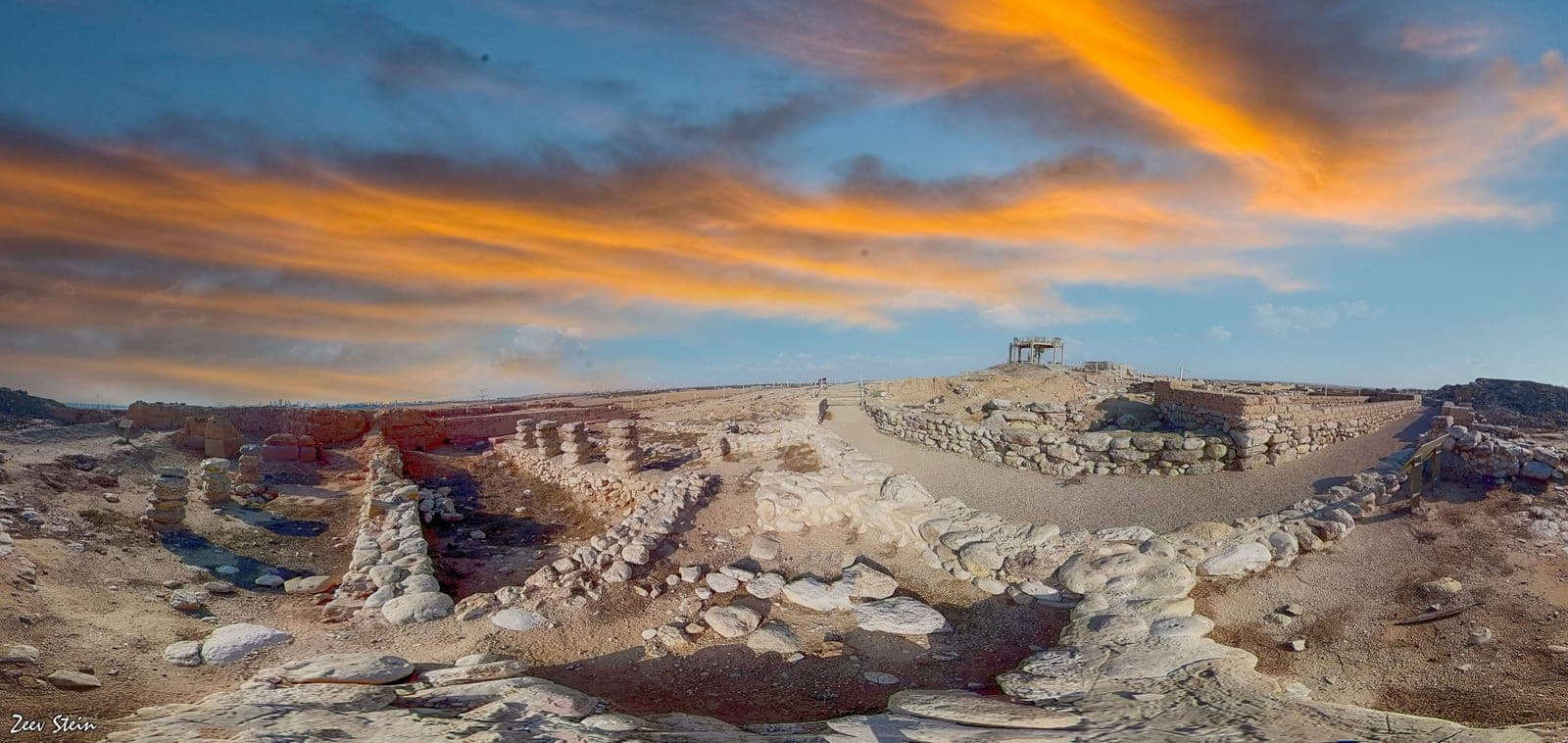
Photo: Zeev Stein / PikiWiki Israel, via Wikimedia Commons. License: CC BY 2.5. Source. Location: Tel Beer Sheva National Park, Israel. Resized for the web.
Explore the places of the Bible
See where biblical events happened, why each place matters, and what archaeology helps us understand.
Beersheba
Where Abraham and Isaac dug wells and worshiped the LORD, at the southern edge of the land.
Get full access with one subscription
Explore the people and places of the Bible. Read summaries of every book, with images and clear explanations covering every chapter. Access all these features and our Bible study tools with one subscription.
See PlansAsk AI about Jeremiah 27:12
Ask a question about this verse and get a clear answer, with Bible references you can read for yourself.
Every Bible book, explained chapter by chapter
Explore summaries of every book of the Bible, with images and easy-to-understand explanations covering every chapter.
Keep studying Jeremiah 27:12
Related Bible verses
Key themes
At a Glance — the Book of Jeremiah
- Author
- Jeremiah the prophet, with Baruch
- Written
- Around 600 BC
- Genre
- Prophecy
- Original Audience
- Judah before and during the Babylonian exile
Frequently Asked Questions
Quick, clear answers about this verse
What does Jeremiah 27:12 teach about submission to authority?
Jeremiah 27:12 emphasizes the importance of submitting to authority, specifically the Babylonian king, as a means of survival for Judah. This submission is portrayed as a necessary step to avoid destruction, highlighting that sometimes yielding to authority can lead to preservation and peace, even in difficult circumstances.
How does the concept of a 'yoke' relate to Jeremiah 27:12?
In Jeremiah 27:12, the 'yoke' symbolizes the burden of servitude and submission to the Babylonian king. It represents the idea that accepting this burden is essential for survival. The yoke serves as a metaphor for the obedience required to align with God's will, even when it involves difficult choices.
What is the broader theme of divine sovereignty in Jeremiah 27:12?
The broader theme of divine sovereignty in Jeremiah 27:12 illustrates how God can use foreign powers, like Babylon, to fulfill His purposes. This verse shows that God's plan may involve challenging circumstances, and recognizing His authority in these situations is crucial for understanding our place within His divine order.
How can we apply the lessons from Jeremiah 27:12 in our lives today?
The lessons from Jeremiah 27:12 encourage us to practice humility and submission in our own lives, especially when faced with authority or difficult situations. By trusting in God's plan and accepting our circumstances, we can find peace and guidance, knowing that obedience can lead to preservation and fulfillment of His will.
Daily Verse — straight to your inbox
A verse and a 2-sentence plain-English explanation, every morning. Free. Unsubscribe anytime.