Old Testament
Jeremiah 49:27
Read the Bible in clear, modern English—easy to understand, faithful to the meaning, and written for everyday readers.
"I will set fire to the walls of Damascus, and it will consume the palaces of Benhadad."
Compare translations
And I will kindle a fire in the wall of Damascus, and it shall consume the palaces of Benhadad.
What Jeremiah 49:27 means
Plain-English insight for readers
In this verse, God declares His intention to bring destruction upon Damascus, a significant city in ancient Syria. The imagery of fire symbolizes judgment and devastation. The walls of the city, which represent its defenses and strength, will be set ablaze, leading to the downfall of the palaces belonging to Benhadad, a prominent ruler of Damascus. This prophecy illustrates God's sovereignty over nations and His ability to execute judgment against those who oppose Him. The mention of Benhadad's palaces highlights the impending loss of power and wealth, emphasizing that no earthly authority can withstand God's will. This verse serves as a reminder of the consequences of turning away from God and the ultimate futility of relying on human strength and fortifications. It also reflects the broader theme of God's justice and the fate of nations that defy Him, reinforcing the idea that divine judgment is inevitable for those who do not follow His ways.
How to apply Jeremiah 49:27 to your life
This verse encourages us to reflect on our own lives and the foundations we build. Just as Damascus faced destruction for its disobedience, we must ensure that we align our actions with God's will. Trusting in God rather than worldly strength leads to true security and peace.
Curated for this public verse page. Jeremiah Summary
Explore more of the Bible
Learn the Bible through its people and places
Get to know the people in Scripture through illustrated stories, and explore the places where they lived and traveled.

Illustrated scene from David's story: Samuel Anoints David (1 Samuel 16:1–13)
Meet the people of the Bible
Follow their lives in order, with illustrated scenes and Bible passages that tell their stories.
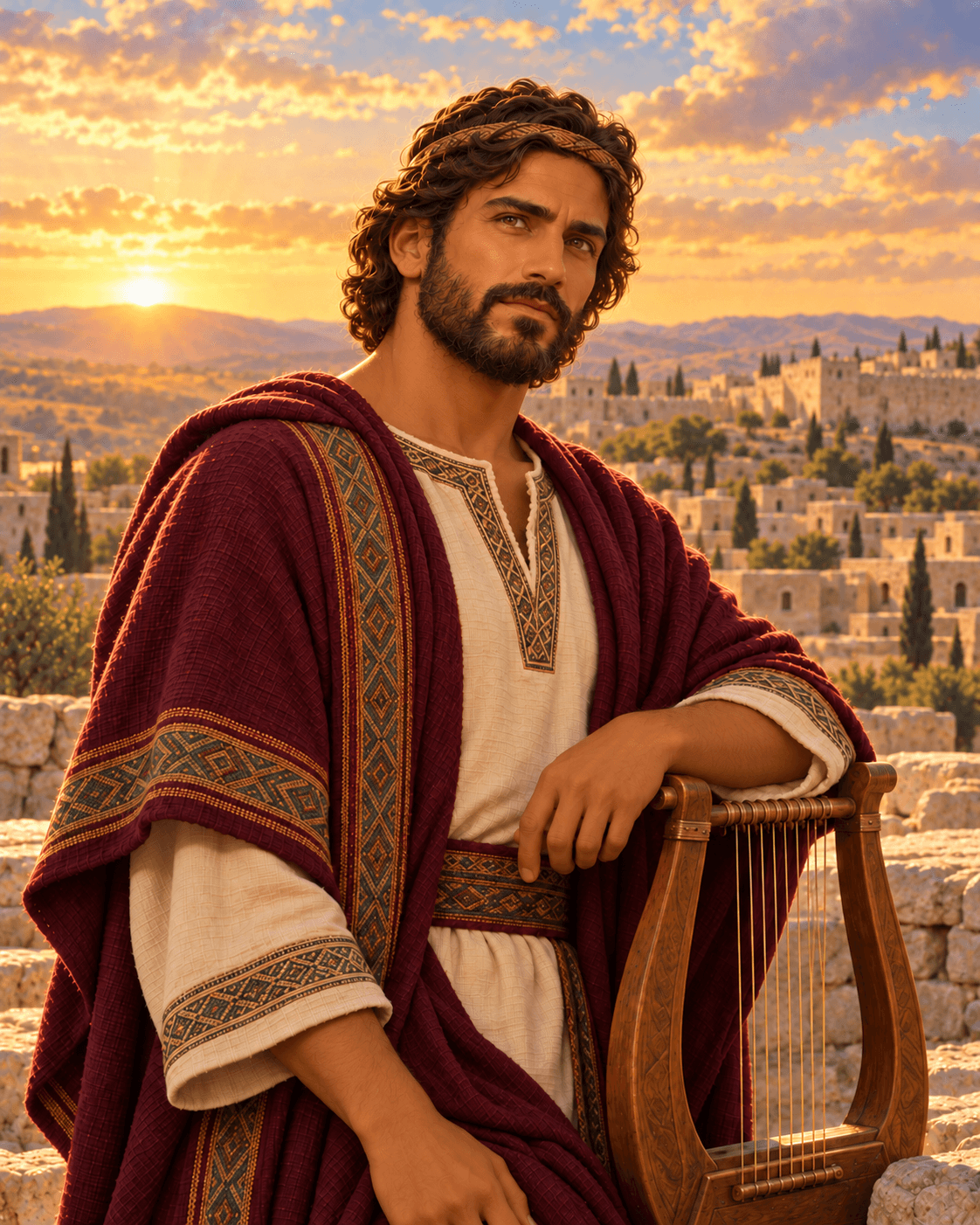 David
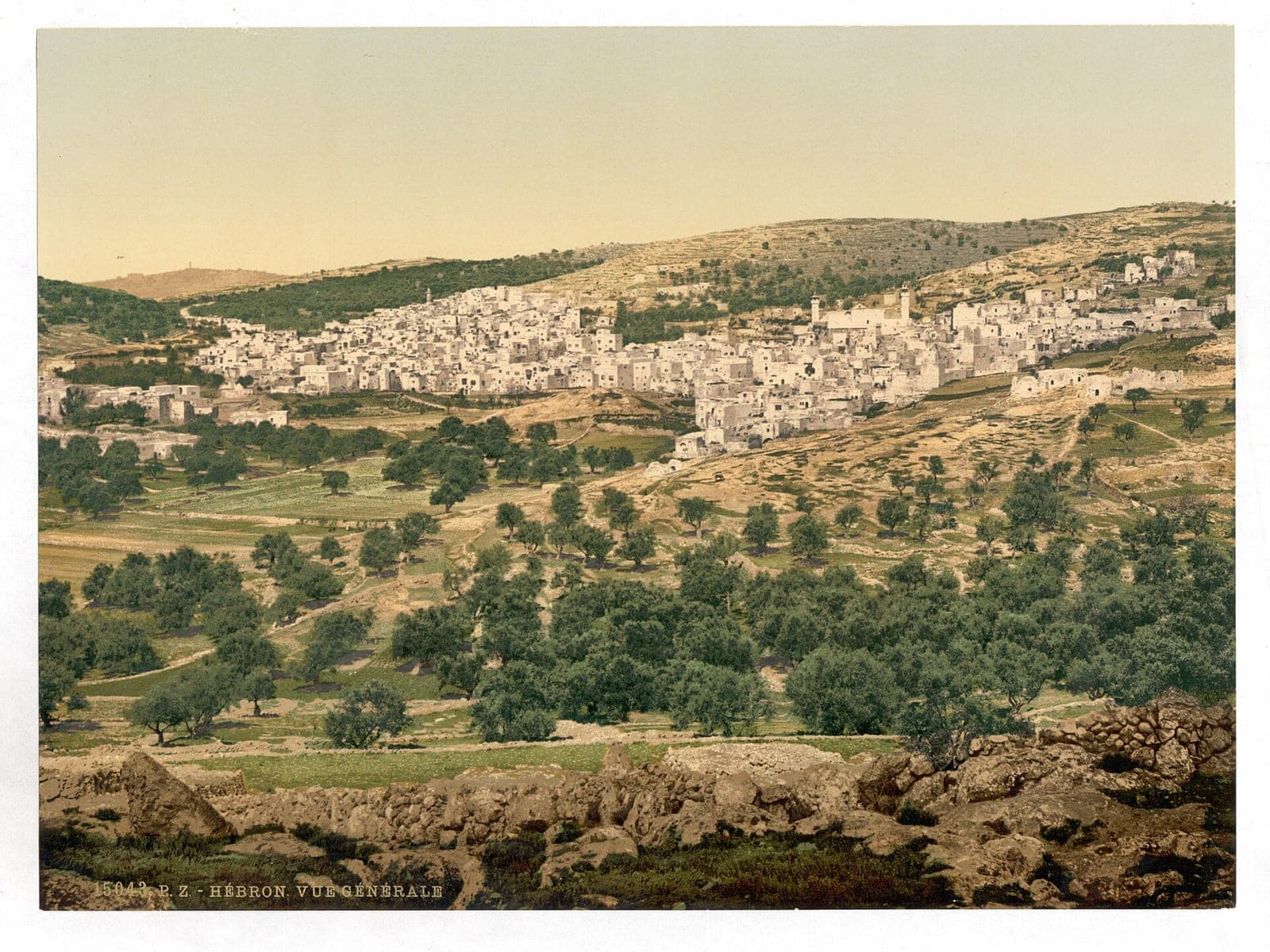
Photo: Photochrom print, Library of Congress Prints and Photographs Division (LCCN 2002724987). License: Public domain in the United States; Library of Congress states no known restrictions on publication. Source. Location: Hebron, West Bank; print preserved by the Library of Congress. Resized for the web.
Explore the places of the Bible
See where biblical events happened, why each place matters, and what archaeology helps us understand.
Hebron
Where Abraham lived and buried Sarah, and where David was first made king.
Get full access with one subscription
Explore the people and places of the Bible. Read summaries of every book, with images and clear explanations covering every chapter. Access all these features and our Bible study tools with one subscription.
See PlansAsk AI about Jeremiah 49:27
Ask a question about this verse and get a clear answer, with Bible references you can read for yourself.
Every Bible book, explained chapter by chapter
Explore summaries of every book of the Bible, with images and easy-to-understand explanations covering every chapter.
Keep studying Jeremiah 49:27
Related Bible verses
Key themes
Related topics
At a Glance — the Book of Jeremiah
- Author
- Jeremiah the prophet, with Baruch
- Written
- Around 600 BC
- Genre
- Prophecy
- Original Audience
- Judah before and during the Babylonian exile
Frequently Asked Questions
Quick, clear answers about this verse
What does Jeremiah 49:27 mean?
Jeremiah 49:27 expresses God's intention to destroy Damascus by setting its walls on fire, symbolizing judgment against the city and its ruler, Benhadad. This verse illustrates God's power over nations and the consequences of turning away from Him.
What is the significance of fire in Jeremiah 49:27?
In Jeremiah 49:27, fire symbolizes divine judgment and destruction. It represents the total devastation of Damascus, indicating that no earthly defenses can protect against God's will.
Who is Benhadad mentioned in Jeremiah 49:27?
Benhadad was a prominent ruler of Damascus, and his palaces are mentioned in Jeremiah 49:27 to highlight the impending loss of power and wealth due to God's judgment on the city.
What does this verse reveal about God's sovereignty?
Jeremiah 49:27 reveals God's sovereignty by demonstrating His authority to execute judgment on nations like Damascus. It emphasizes that no human strength or fortification can withstand God's plans.
Daily Verse — straight to your inbox
A verse and a 2-sentence plain-English explanation, every morning. Free. Unsubscribe anytime.