Jeremiah 9:14
Instead, they followed the stubbornness of their own hearts and chased after the Baals, just as their fathers taught them to do."
What Jeremiah 9:14 means
Plain-English insight for readers
In this verse, God is expressing disappointment with the people of Israel for following their own desires and the false gods known as Baals, rather than adhering to His teachings. The phrase 'stubbornness of their own hearts' indicates that they are choosing to ignore God's guidance and instead are influenced by their own thoughts and the traditions passed down from their ancestors. This reflects a broader theme of rebellion against God, where the people prioritize their own understanding and desires over divine instruction. The reference to 'Baalim' signifies the worship of idols, which was common in the surrounding cultures. This verse serves as a warning about the dangers of following one's own heart without seeking God's wisdom, leading to spiritual decline and disobedience.
How to apply Jeremiah 9:14 to your life
This verse encourages us to examine our own hearts and motivations. Are we following our own desires or seeking God's will? It's important to be aware of influences from our past and to prioritize God's teachings over societal or familial pressures. Regular prayer and reflection can help align our hearts with God's purpose.
In the King James Version
But have walked after the imagination of their own heart, and after Baalim, which their fathers taught them:
Ask about this verse
Ask anything about Jeremiah 9:14 and get a clear answer from Scripture.
Have a question about this verse? Explore it with ClearBible.
Premium answers your questions about any verse from Scripture itself, shows the verses it rests on, and opens Clear on every passage. You also get all 66 book summaries.
7 days free, then $99/year. Card required. Cancel anytime.
Explore more of the Bible
Learn the Bible through its people and places
Get to know the people in Scripture through illustrated stories, and explore the places where they lived and traveled.

Illustrated scene from Daniel's story: Faithful at the King's Table (Daniel 1:1–21)
Meet the people of the Bible
Follow their lives in order, with illustrated scenes and Bible passages that tell their stories.
 Daniel
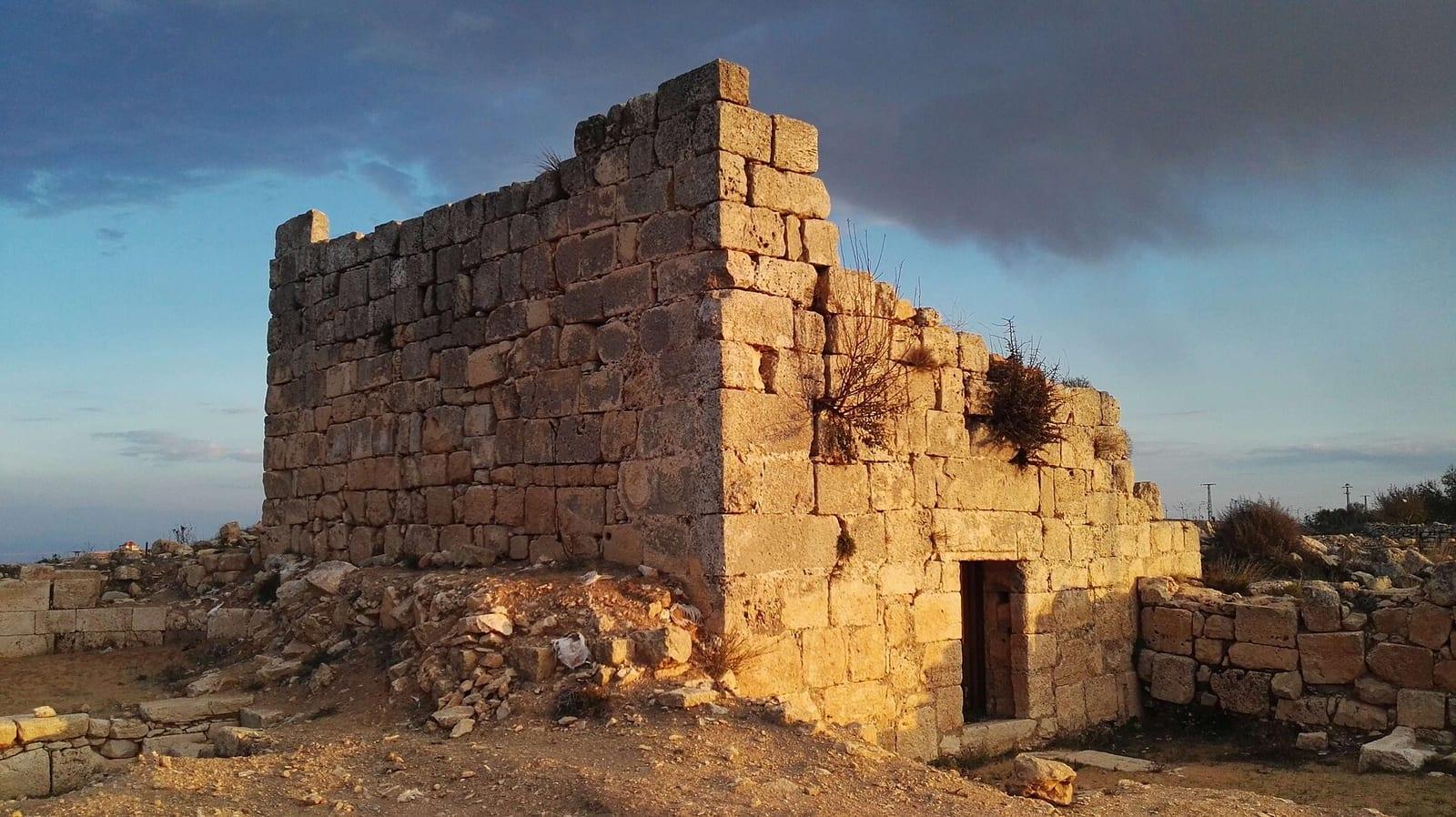
Photo: Bukvoed, via Wikimedia Commons. License: CC BY 4.0. Source. Location: Burj Beitin, Beitin, Ramallah and al-Bireh Governorate, West Bank. Resized for the web.
Explore the places of the Bible
See where biblical events happened, why each place matters, and what archaeology helps us understand.
Bethel
Where Jacob dreamed of a stairway to heaven and met God.
Every Bible book, explained chapter by chapter
Explore summaries of every book of the Bible, with images and easy-to-understand explanations covering every chapter.
Keep studying Jeremiah 9:14
Related Bible verses
At a Glance — the Book of Jeremiah
- Author
- Jeremiah the prophet, with Baruch
- Written
- Around 600 BC
- Genre
- Prophecy
- Original Audience
- Judah before and during the Babylonian exile
Frequently Asked Questions
Quick, clear answers about this verse
What does Jeremiah 9:14 mean?
Jeremiah 9:14 expresses God's disappointment with the Israelites for following their own desires and the false gods, Baals, instead of His teachings. It highlights their stubbornness and rebellion against divine guidance.
What is the significance of Baalim in Jeremiah 9:14?
Baalim refers to the false gods worshipped by the Israelites, representing idolatry and the influence of surrounding cultures. This term emphasizes the danger of turning away from God to follow traditions and practices that lead to spiritual decline.
How does Jeremiah 9:14 relate to personal desires?
Jeremiah 9:14 warns against prioritizing personal desires over God's will. It encourages self-examination to ensure that one's motivations align with divine guidance rather than societal or familial pressures.
What themes are present in Jeremiah 9:14?
Key themes in Jeremiah 9:14 include idolatry, rebellion against God, the impact of tradition, and the consequences of spiritual decline. It serves as a reminder of the importance of seeking God's wisdom.
Daily Verse — straight to your inbox
A verse and a 2-sentence plain-English explanation, every morning. Free. Unsubscribe anytime.