Old Testament
Job 19:24
Read the Bible in clear, modern English—easy to understand, faithful to the meaning, and written for everyday readers.
That they were engraved with an iron pen and lead in the rock forever!
Compare translations
That they were graven with an iron pen and lead in the rock for ever!
What Job 19:24 means
Plain-English insight for readers
In Job 19:24, Job expresses a deep desire for his words and his suffering to be permanently recorded. He uses the imagery of an iron pen and lead, which symbolize durability and permanence, to emphasize that his experiences and his plea for justice should not be forgotten. Job is in a state of despair, feeling abandoned and misunderstood, yet he longs for a lasting testament to his integrity and faith. This verse highlights the human need for recognition and validation, especially in times of suffering. Job's insistence on having his words engraved in stone reflects his hope that future generations will understand his plight and the righteousness of his character. It also points to the idea that truth and justice should endure beyond one's lifetime, serving as a reminder of the struggles faced and the faith maintained amidst adversity.
How to apply Job 19:24 to your life
This verse encourages us to reflect on our own struggles and the desire for our stories to be heard and understood. It reminds us to document our experiences, whether through writing, sharing, or other means, so that our truths and lessons can inspire others and endure through time.
Curated for this public verse page. Job Summary
Learn the Bible through its people and places
Get to know the people in Scripture through illustrated stories, and explore the places where they lived and traveled.

Illustrated scene from Job's story: “I Know That My Redeemer Liveth” (Job 19:23–27)
Meet the people of the Bible
Follow their lives in order, with illustrated scenes and Bible passages that tell their stories.
 Job
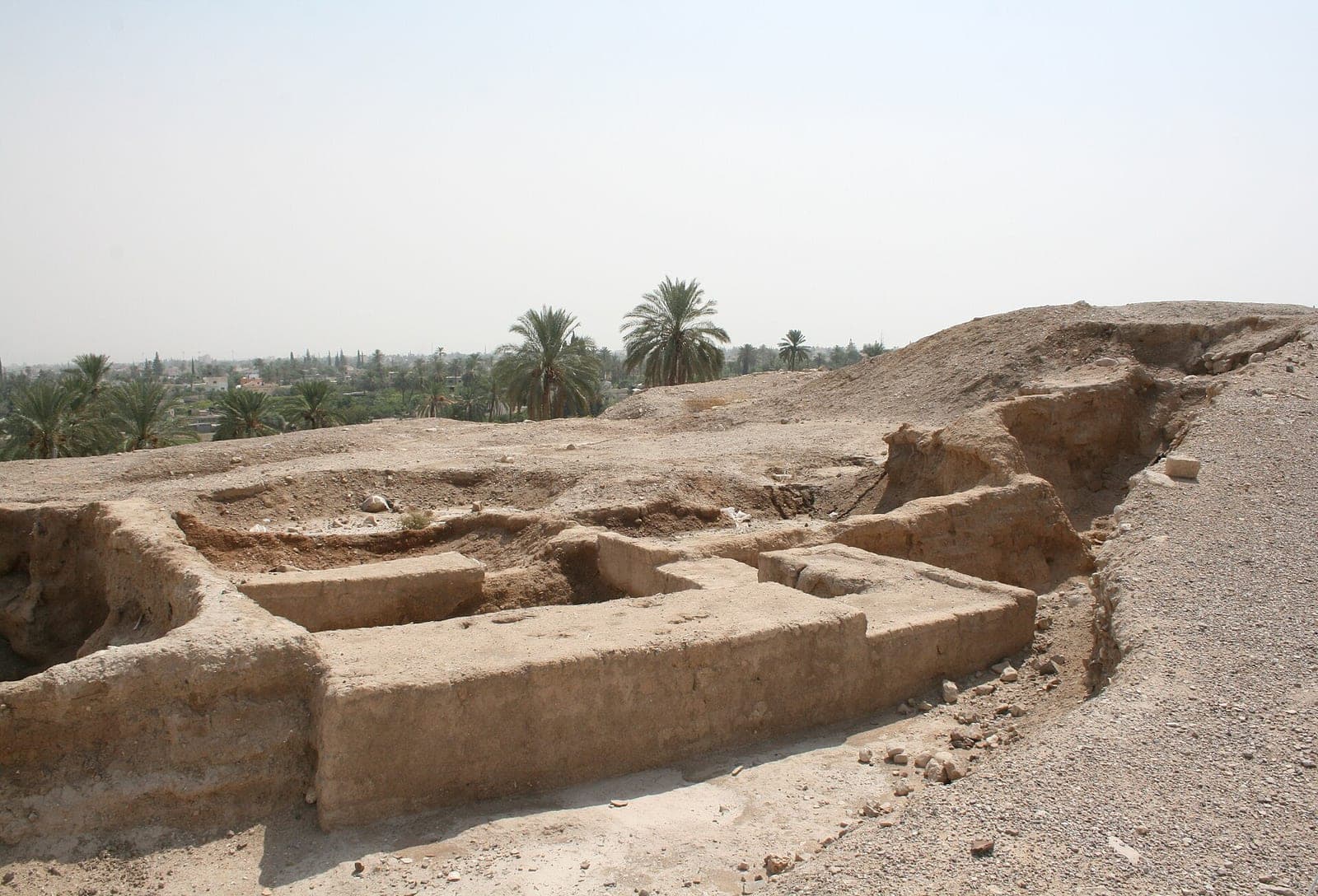
Photo: Diego Delso, via Wikimedia Commons. License: CC BY-SA 3.0. Source. Location: Tell es-Sultan, Jericho, West Bank. Resized for the web.
Explore the places of the Bible
See where biblical events happened, why each place matters, and what archaeology helps us understand.
Jericho
The city of palm trees, whose walls fell in Joshua's day.
Get full access with one subscription
Explore the people and places of the Bible. Read summaries of every book, with images and clear explanations covering every chapter. Access all these features and our Bible study tools with one subscription.
See PlansAsk AI about Job 19:24
Ask a question about this verse and get a clear answer, with Bible references you can read for yourself.
Every Bible book, explained chapter by chapter
Explore summaries of every book of the Bible, with images and easy-to-understand explanations covering every chapter.
Keep studying Job 19:24
Related Bible verses
At a Glance — the Book of Job
- Author
- Author unknown; events likely in the patriarchal era
- Written
- Date debated
- Genre
- Wisdom literature
- Original Audience
- All who suffer or question God
Frequently Asked Questions
Quick, clear answers about this verse
What does Job 19:24 mean in simple terms?
In Job 19:24, Job expresses a strong wish for his words and experiences to be permanently recorded. He uses the metaphor of an iron pen and lead to symbolize the durability of his message, emphasizing that his suffering and plea for justice should not be forgotten. This reflects his deep desire for recognition and validation during his hardships.
How can Job 19:24 be applied to modern life?
Job 19:24 encourages us to document our struggles and share our stories. In today's world, this can mean writing in journals, blogging, or speaking out about our experiences. By doing so, we not only validate our own journeys but also inspire others who may face similar challenges, ensuring that our truths and lessons endure.
What themes are highlighted in Job 19:24?
Job 19:24 highlights several key themes including suffering, justice, endurance, legacy, faith, and despair. It reflects the human experience of longing for recognition in times of pain and the hope that our struggles and integrity will be remembered and understood by future generations.
Why does Job want his words engraved in stone?
Job desires his words to be engraved in stone as a symbol of permanence and truth. He wants his experiences and his quest for justice to be acknowledged and remembered, indicating that he feels misunderstood and abandoned. This desire reflects a universal human need for our stories to be validated and recognized.
Daily Verse — straight to your inbox
A verse and a 2-sentence plain-English explanation, every morning. Free. Unsubscribe anytime.