Old Testament
Job 8:11
Read the Bible in clear, modern English—easy to understand, faithful to the meaning, and written for everyday readers.
Can the rush grow without marshy ground? Can the reeds grow without water?
Compare translations
Can the rush grow up without mire? can the flag grow without water?
What Job 8:11 means
Plain-English insight for readers
In this verse, Job's friend Bildad is emphasizing the importance of a proper environment for growth. Just as rushes and reeds need wet, marshy ground to thrive, people also need the right conditions to flourish. This metaphor suggests that spiritual and emotional growth requires a supportive foundation. Without the necessary resources, such as love, guidance, and faith, individuals may struggle to develop and succeed. Bildad is implying that Job's suffering may be a result of not having the right spiritual conditions, similar to how plants cannot grow without water. This highlights the interconnectedness of our circumstances and our ability to thrive, suggesting that we must cultivate our surroundings to foster growth and resilience in our lives.
How to apply Job 8:11 to your life
Reflect on your own life and consider the environments that nurture your growth. Are you surrounding yourself with supportive people and positive influences? Just as plants need water and good soil, we need healthy relationships and spiritual nourishment to thrive. Make intentional choices to cultivate a flourishing environment.
Curated for this public verse page. Job Summary
Explore more of the Bible
Learn the Bible through its people and places
Get to know the people in Scripture through illustrated stories, and explore the places where they lived and traveled.

Illustrated scene from Moses's story: Israel Enslaved in Egypt (Exodus 1:8–22)
Meet the people of the Bible
Follow their lives in order, with illustrated scenes and Bible passages that tell their stories.
 Moses
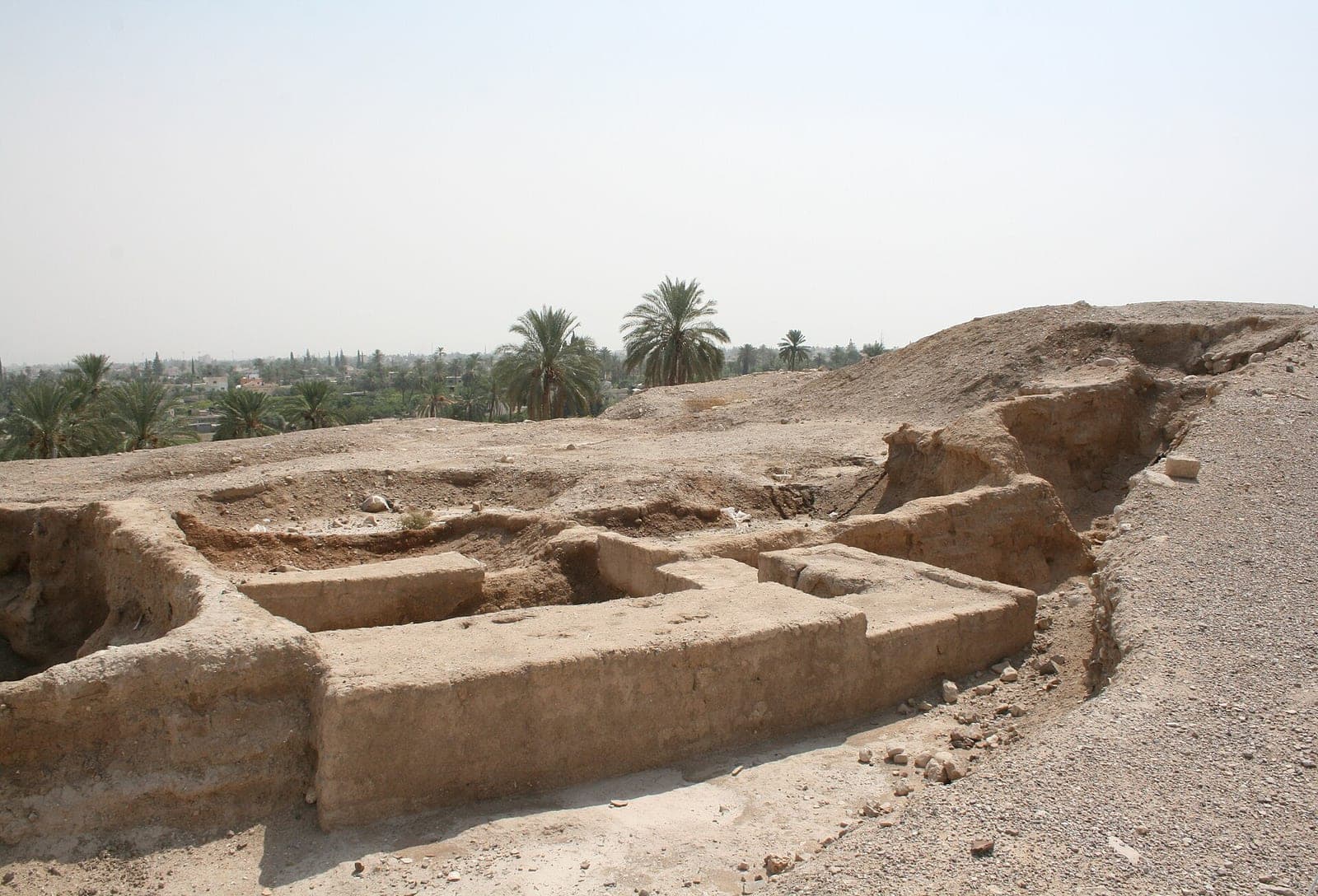
Photo: Diego Delso, via Wikimedia Commons. License: CC BY-SA 3.0. Source. Location: Tell es-Sultan, Jericho, West Bank. Resized for the web.
Explore the places of the Bible
See where biblical events happened, why each place matters, and what archaeology helps us understand.
Jericho
The city of palm trees, whose walls fell in Joshua's day.
Get full access with one subscription
Explore the people and places of the Bible. Read summaries of every book, with images and clear explanations covering every chapter. Access all these features and our Bible study tools with one subscription.
See PlansAsk AI about Job 8:11
Ask a question about this verse and get a clear answer, with Bible references you can read for yourself.
Every Bible book, explained chapter by chapter
Explore summaries of every book of the Bible, with images and easy-to-understand explanations covering every chapter.
Keep studying Job 8:11
At a Glance — the Book of Job
- Author
- Author unknown; events likely in the patriarchal era
- Written
- Date debated
- Genre
- Wisdom literature
- Original Audience
- All who suffer or question God
Frequently Asked Questions
Quick, clear answers about this verse
What does Job 8:11 mean?
Job 8:11 uses the metaphor of rushes and reeds needing wet ground to illustrate that just like plants require the right environment to grow, people also need supportive conditions for emotional and spiritual growth.
What is the significance of water in Job 8:11?
In Job 8:11, water symbolizes the essential resources and support needed for growth. Without these, individuals may struggle to thrive, similar to how plants cannot survive without water.
How does Job 8:11 relate to personal growth?
Job 8:11 highlights the importance of having a nurturing environment for personal growth. It suggests that just as plants need the right conditions to flourish, people also need love, guidance, and faith to develop.
What can we learn from Job 8:11?
From Job 8:11, we learn that our surroundings significantly impact our ability to grow and succeed. It encourages us to cultivate supportive relationships and environments that foster resilience and development.
Daily Verse — straight to your inbox
A verse and a 2-sentence plain-English explanation, every morning. Free. Unsubscribe anytime.