New Testament
John 1:11
Read the Bible in clear, modern English—easy to understand, faithful to the meaning, and written for everyday readers.
He came to his own, and his own did not receive him.
Compare translations
He came unto his own, and his own received him not.
What John 1:11 means
Plain-English insight for readers
In this verse, the 'he' refers to Jesus, who came to the people of Israel, His own chosen nation. Despite being their Messiah, they did not accept Him. This rejection highlights a significant theme in the Gospel of John: the contrast between light and darkness, acceptance and rejection. Jesus came with a message of hope and salvation, yet many turned away from Him. This rejection is not just a historical fact but a spiritual reality that continues today, as people still choose to ignore or reject the truth of who Jesus is. The verse serves as a reminder of the importance of recognizing and accepting Jesus in our lives, as He offers a relationship with God and eternal life. It also emphasizes the pain of rejection, not just for Jesus but for anyone who seeks to share love and truth with others. Understanding this verse helps us appreciate the depth of Jesus' mission and the challenges He faced, encouraging us to be open to His message and to share it with others.
How to apply John 1:11 to your life
This verse challenges us to reflect on our own acceptance of Jesus. Are we truly welcoming Him into our lives, or are we holding back? It encourages us to embrace His message and share it with others, ensuring we do not repeat the mistake of rejection.
Curated for this public verse page. John Summary
Explore more of the Bible
Learn the Bible through its people and places
Get to know the people in Scripture through illustrated stories, and explore the places where they lived and traveled.
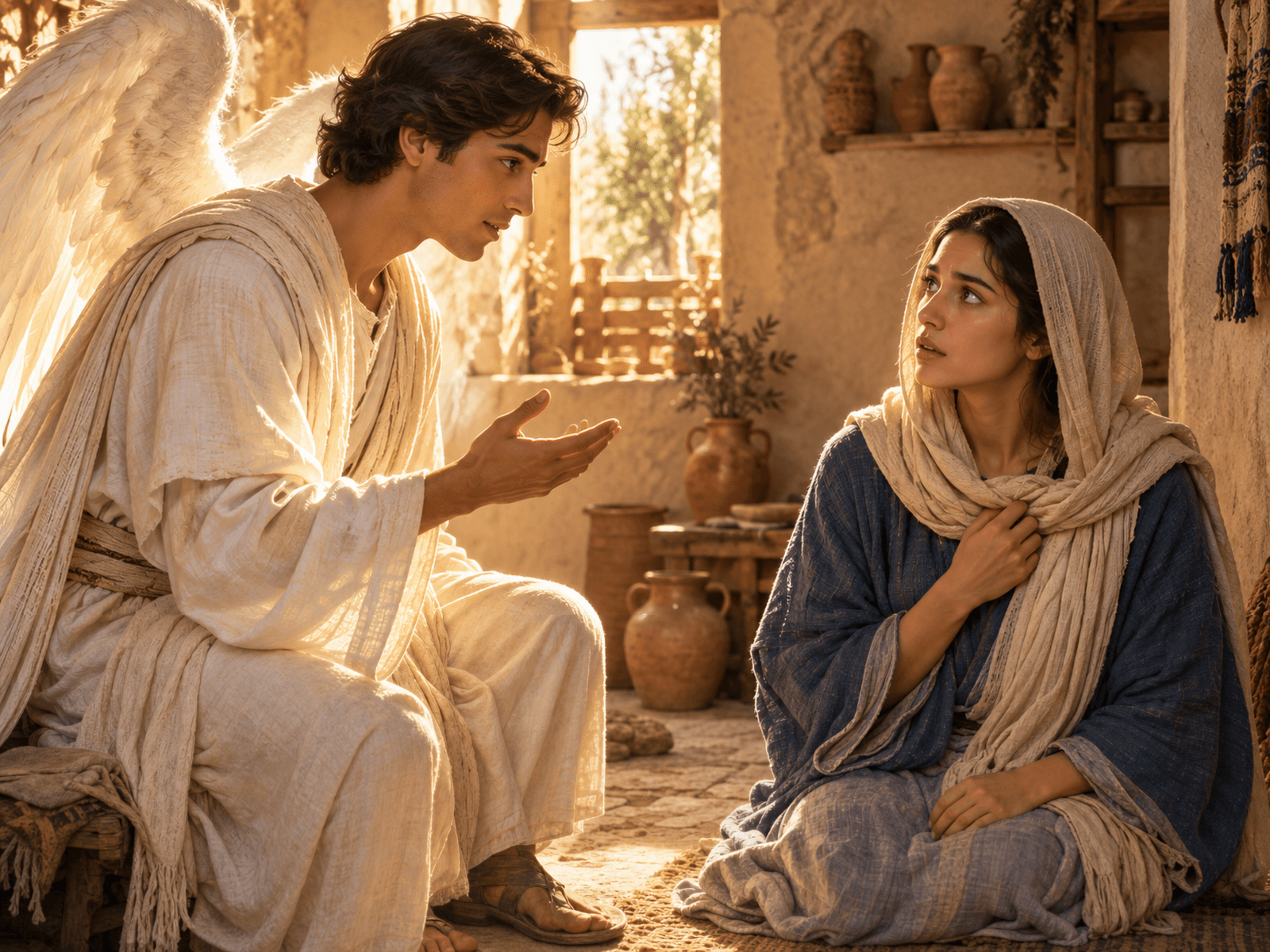
Illustrated scene from Jesus's story: An Angel Visits Mary (Luke 1:26–38)
Meet the people of the Bible
Follow their lives in order, with illustrated scenes and Bible passages that tell their stories.
 Jesus

Photo: zeevveez, via Wikimedia Commons. License: CC BY 2.0. Source. Location: Capernaum, on the northern shore of the Sea of Galilee. Resized for the web.
Explore the places of the Bible
See where biblical events happened, why each place matters, and what archaeology helps us understand.
Capernaum
Jesus' home base by the Sea of Galilee, and the town where Peter lived.
Get full access with one subscription
Explore the people and places of the Bible. Read summaries of every book, with images and clear explanations covering every chapter. Access all these features and our Bible study tools with one subscription.
See PlansAsk AI about John 1:11
Ask a question about this verse and get a clear answer, with Bible references you can read for yourself.
Every Bible book, explained chapter by chapter
Explore summaries of every book of the Bible, with images and easy-to-understand explanations covering every chapter.
Keep studying John 1:11
Related Bible verses
Key themes
Related topics
At a Glance — the Book of John
- Author
- John the apostle
- Written
- Around AD 85-95
- Genre
- Gospel
- Original Audience
- All believers
Frequently Asked Questions
Quick, clear answers about this verse
What does John 1:11 mean?
John 1:11 means that Jesus came to the Jewish people, His own chosen nation, but they did not accept Him as their Messiah. This verse highlights the theme of rejection that runs throughout the Gospel of John.
What is the significance of 'His own' in John 1:11?
In John 1:11, 'His own' refers to the people of Israel, indicating that Jesus came specifically to those who were meant to recognize Him as their Savior. Their rejection emphasizes the pain of not accepting the truth of who Jesus is.
Why did the people not receive Jesus in John 1:11?
The people did not receive Jesus in John 1:11 because they were expecting a different kind of Messiah, one who would fulfill their political and social desires, rather than recognizing Him as the spiritual Savior He came to be.
What themes are present in John 1:11?
John 1:11 presents themes of rejection, acceptance, and the contrast between light and darkness. It illustrates the struggle between recognizing Jesus as the Messiah and the choice to turn away from Him.
Daily Verse — straight to your inbox
A verse and a 2-sentence plain-English explanation, every morning. Free. Unsubscribe anytime.