New Testament
John 10:35
Read the Bible in clear, modern English—easy to understand, faithful to the meaning, and written for everyday readers.
If he called them gods, to whom the word of God came — and the Scripture cannot be broken —
Compare translations
If he called them gods, unto whom the word of God came, and the scripture cannot be broken;
What John 10:35 means
Plain-English insight for readers
In this verse, Jesus refers to a passage in the Psalms where certain individuals are called 'gods' because they received God's word. He emphasizes that if Scripture can refer to them in this way, it shows the authority and power of God's word. The phrase 'the Scripture cannot be broken' underscores the reliability and permanence of God's message. Jesus uses this argument to defend His own divine authority and to challenge the accusations against Him. He is asserting that the Scriptures are true and cannot be contradicted, reinforcing the idea that God's word holds ultimate authority. This statement serves to remind His listeners that the Scriptures are not just historical texts but are alive and relevant, carrying God's truth and power. Jesus' argument highlights the importance of understanding Scripture in its context and recognizing its divine origin, which should lead to a deeper respect for God's word and its implications for our lives.
How to apply John 10:35 to your life
This verse encourages us to trust in the authority of Scripture in our lives. It reminds us that God's word is unbreakable and should guide our beliefs and actions. We should study the Bible diligently, recognizing its power and relevance in our daily decisions and faith journey.
Curated for this public verse page. John Summary
Explore more of the Bible
Learn the Bible through its people and places
Get to know the people in Scripture through illustrated stories, and explore the places where they lived and traveled.
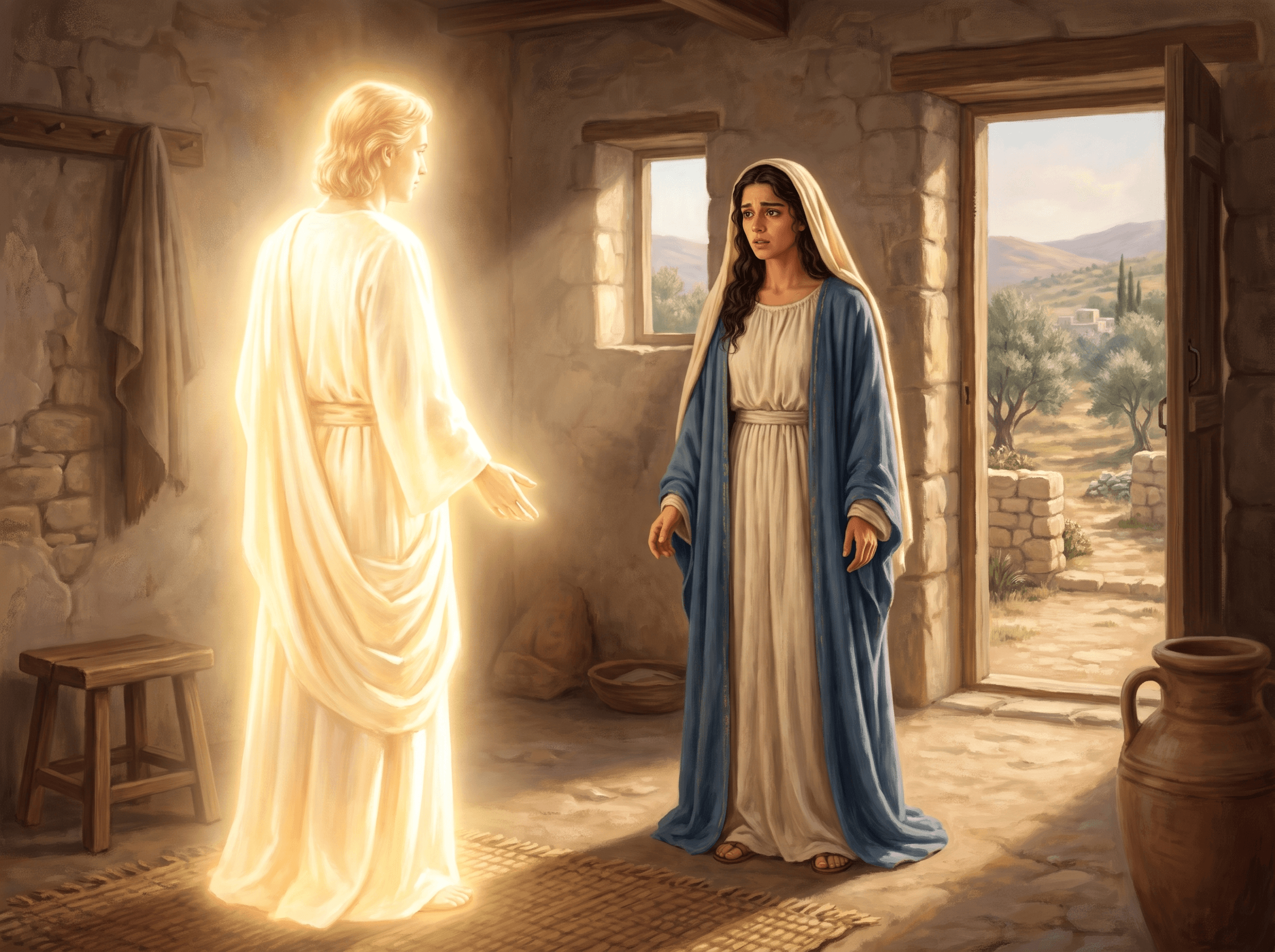
Illustrated scene from Mary, Jesus' mother's story: An Angel Visits Mary (Luke 1:26–38)
Meet the people of the Bible
Follow their lives in order, with illustrated scenes and Bible passages that tell their stories.
 Mary, Jesus' mother

Photo: zeevveez, via Wikimedia Commons. License: CC BY 2.0. Source. Location: Capernaum, on the northern shore of the Sea of Galilee. Resized for the web.
Explore the places of the Bible
See where biblical events happened, why each place matters, and what archaeology helps us understand.
Capernaum
Jesus' home base by the Sea of Galilee, and the town where Peter lived.
Get full access with one subscription
Explore the people and places of the Bible. Read summaries of every book, with images and clear explanations covering every chapter. Access all these features and our Bible study tools with one subscription.
See PlansAsk AI about John 10:35
Ask a question about this verse and get a clear answer, with Bible references you can read for yourself.
Every Bible book, explained chapter by chapter
Explore summaries of every book of the Bible, with images and easy-to-understand explanations covering every chapter.
Keep studying John 10:35
Related Bible verses
At a Glance — the Book of John
- Author
- John the apostle
- Written
- Around AD 85-95
- Genre
- Gospel
- Original Audience
- All believers
Frequently Asked Questions
Quick, clear answers about this verse
What does John 10:35 mean?
John 10:35 means that Jesus is referencing a Psalm where certain people are called 'gods' because they received God's word. He uses this to illustrate the authority of Scripture and to defend His own divine status.
What is the significance of 'the Scripture cannot be broken' in John 10:35?
The phrase 'the Scripture cannot be broken' emphasizes the reliability and permanence of God's word. It indicates that Scripture is true and cannot be contradicted, reinforcing its authority.
How does John 10:35 relate to Jesus' authority?
In John 10:35, Jesus uses the reference to those called 'gods' to assert His own divine authority. By highlighting that Scripture is unbreakable, He defends His claims against accusations and affirms His role as the Son of God.
What does John 10:35 teach about the nature of Scripture?
John 10:35 teaches that Scripture is powerful and authoritative, as it can refer to individuals as 'gods' due to their reception of God's word. This underscores the idea that Scripture is alive and relevant.
Daily Verse — straight to your inbox
A verse and a 2-sentence plain-English explanation, every morning. Free. Unsubscribe anytime.