New Testament
John 11:46
Read the Bible in clear, modern English—easy to understand, faithful to the meaning, and written for everyday readers.
But some of them went to the Pharisees and told them what Jesus had done.
Compare translations
But some of them went their ways to the Pharisees, and told them what things Jesus had done.
What John 11:46 means
Plain-English insight for readers
In this verse, we see a group of people who witnessed Jesus perform a miracle, specifically the raising of Lazarus from the dead. Instead of believing in Jesus or spreading the good news, some individuals chose to report this event to the Pharisees, the religious leaders of the time. This action highlights a significant tension between the followers of Jesus and the established religious authorities. The Pharisees were already threatened by Jesus' growing influence and miracles, and this report would likely lead to further scrutiny and opposition against Him. This moment illustrates the differing responses to Jesus' ministry; while some were moved to faith, others were motivated by fear or jealousy, leading them to inform the Pharisees. This verse sets the stage for the escalating conflict between Jesus and the religious leaders, ultimately culminating in His crucifixion. It serves as a reminder of how people can react differently to the same event based on their beliefs and motivations.
How to apply John 11:46 to your life
This verse encourages us to reflect on our responses to the works of God in our lives. Are we sharing the good news and testifying to His miracles, or are we hesitant and fearful of the consequences? We should strive to be bold in our faith and witness.
Curated for this public verse page. John Summary
Learn the Bible through its people and places
Get to know the people in Scripture through illustrated stories, and explore the places where they lived and traveled.
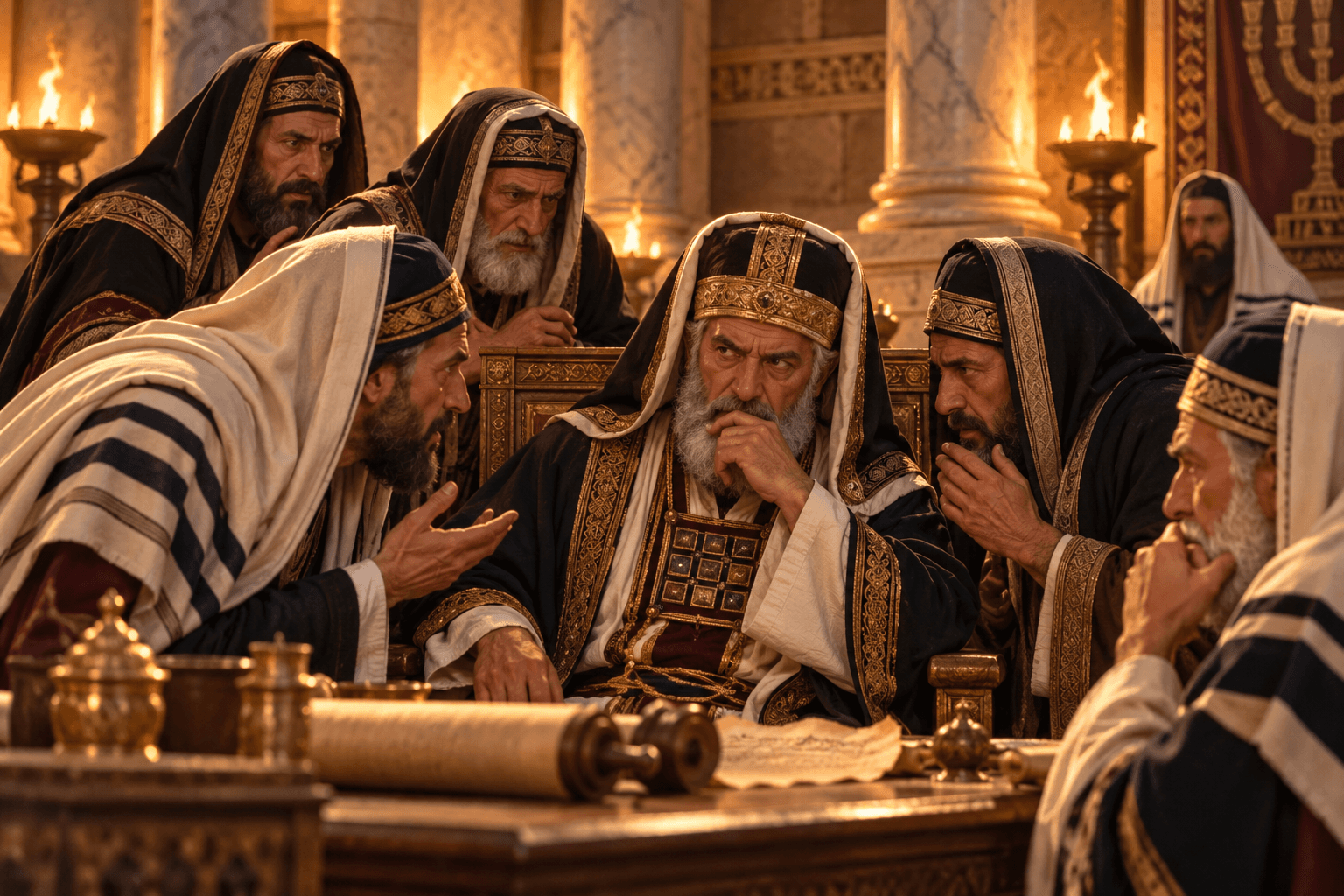
Illustrated scene from Jesus's story: The Plot to Kill Jesus (John 11:45–57)
Meet the people of the Bible
Follow their lives in order, with illustrated scenes and Bible passages that tell their stories.
 Jesus

Photo: Gary Todd (Gary Lee Todd, Ph.D.), via Wikimedia Commons. License: CC0 1.0 Universal Public Domain Dedication. Source. Location: Southern end of the Temple Mount, Jerusalem Old City. Resized for the web.
Explore the places of the Bible
See where biblical events happened, why each place matters, and what archaeology helps us understand.
Jerusalem
David's capital, the city of the temple, and the place where Jesus died and rose again.
Get full access with one subscription
Explore the people and places of the Bible. Read summaries of every book, with images and clear explanations covering every chapter. Access all these features and our Bible study tools with one subscription.
See PlansAsk AI about John 11:46
Ask a question about this verse and get a clear answer, with Bible references you can read for yourself.
Every Bible book, explained chapter by chapter
Explore summaries of every book of the Bible, with images and easy-to-understand explanations covering every chapter.
Keep studying John 11:46
Related Bible verses
Key themes
At a Glance — the Book of John
- Author
- John the apostle
- Written
- Around AD 85-95
- Genre
- Gospel
- Original Audience
- All believers
Frequently Asked Questions
Quick, clear answers about this verse
What does John 11:46 reveal about people's reactions to Jesus' miracles?
John 11:46 highlights the contrasting responses to Jesus' miracles. While some witnesses were inspired to believe in Him, others chose to report His actions to the Pharisees, reflecting fear and jealousy. This illustrates the tension between faith and opposition, showing that miracles can evoke different reactions based on individual beliefs and motivations.
Why did some people report Jesus to the Pharisees in John 11:46?
The individuals who reported Jesus to the Pharisees were likely motivated by fear of the religious authorities and jealousy of Jesus' growing influence. Instead of embracing the miracle of Lazarus' resurrection, they chose to align with the established religious leaders, which indicates a conflict between faith in Jesus and adherence to traditional authority.
What is the significance of the Pharisees in John 11:46?
The Pharisees represent the established religious authority that felt threatened by Jesus' ministry and miracles. Their role in this verse underscores the escalating conflict between Jesus and the religious leaders, which ultimately contributes to the events leading to His crucifixion. This highlights the struggle between new faith and traditional beliefs.
How can we apply the message of John 11:46 to our lives today?
John 11:46 encourages us to examine our own responses to God's works in our lives. It challenges us to be bold in sharing our faith and the miracles we witness, rather than succumbing to fear or societal pressures. This verse serves as a reminder to actively testify to God's goodness and to choose faith over fear.
Daily Verse — straight to your inbox
A verse and a 2-sentence plain-English explanation, every morning. Free. Unsubscribe anytime.