New Testament
John 21:20
Read the Bible in clear, modern English—easy to understand, faithful to the meaning, and written for everyday readers.
Peter turned around and saw the disciple whom Jesus loved following them — the one who had also leaned back against his chest at the supper and said, "Lord, who is the one who will betray you?"
Compare translations
Then Peter, turning about, seeth the disciple whom Jesus loved following; which also leaned on his breast at supper, and said, Lord, which is he that betrayeth thee?
What John 21:20 means
Plain-English insight for readers
In this verse, Peter notices another disciple, often identified as John, who is following them. This disciple is described as the one who had a close relationship with Jesus, having leaned against Him during the Last Supper. The reference to leaning on Jesus' chest signifies intimacy and trust. The mention of the disciple asking about the betrayer highlights his close connection to Jesus and the gravity of the situation. Peter's curiosity about this disciple's fate reflects human nature's tendency to compare ourselves with others, especially in moments of uncertainty. This moment captures the dynamics of friendship, loyalty, and the complexities of following Jesus, as Peter is focused on another's journey while grappling with his own. It serves as a reminder that each disciple has a unique relationship with Christ, and we should focus on our own path rather than comparing ourselves to others.
How to apply John 21:20 to your life
This verse encourages us to focus on our personal relationship with Jesus rather than comparing ourselves to others. Each person's journey is unique, and we should seek to understand our own calling and purpose. Emphasizing our connection with Christ can help us navigate challenges without distraction.
Curated for this public verse page. John Summary
Explore more of the Bible
Learn the Bible through its people and places
Get to know the people in Scripture through illustrated stories, and explore the places where they lived and traveled.
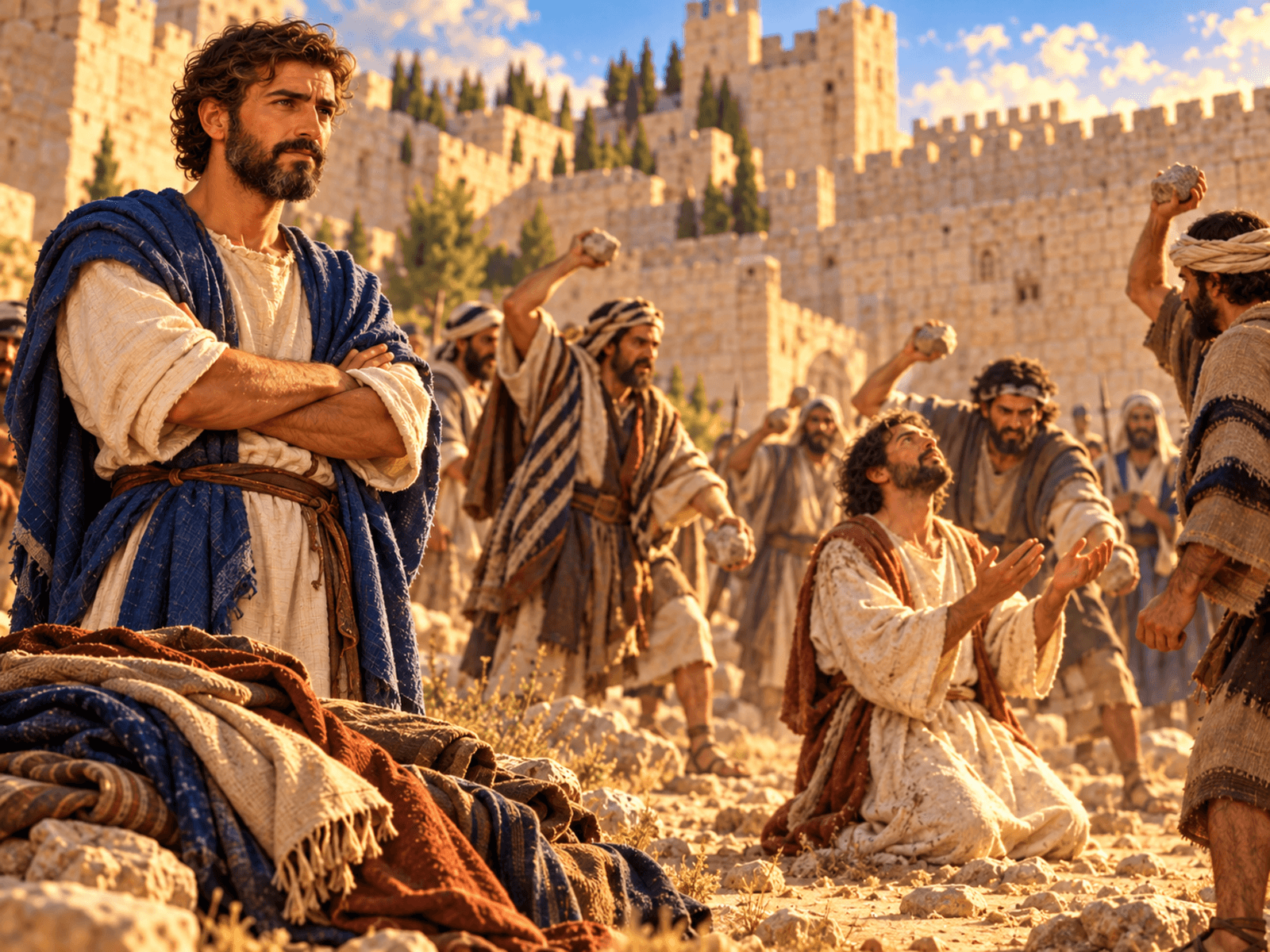
Illustrated scene from Paul's story: The Stoning of Stephen (Acts 7:57–8:2)
Meet the people of the Bible
Follow their lives in order, with illustrated scenes and Bible passages that tell their stories.
 Paul
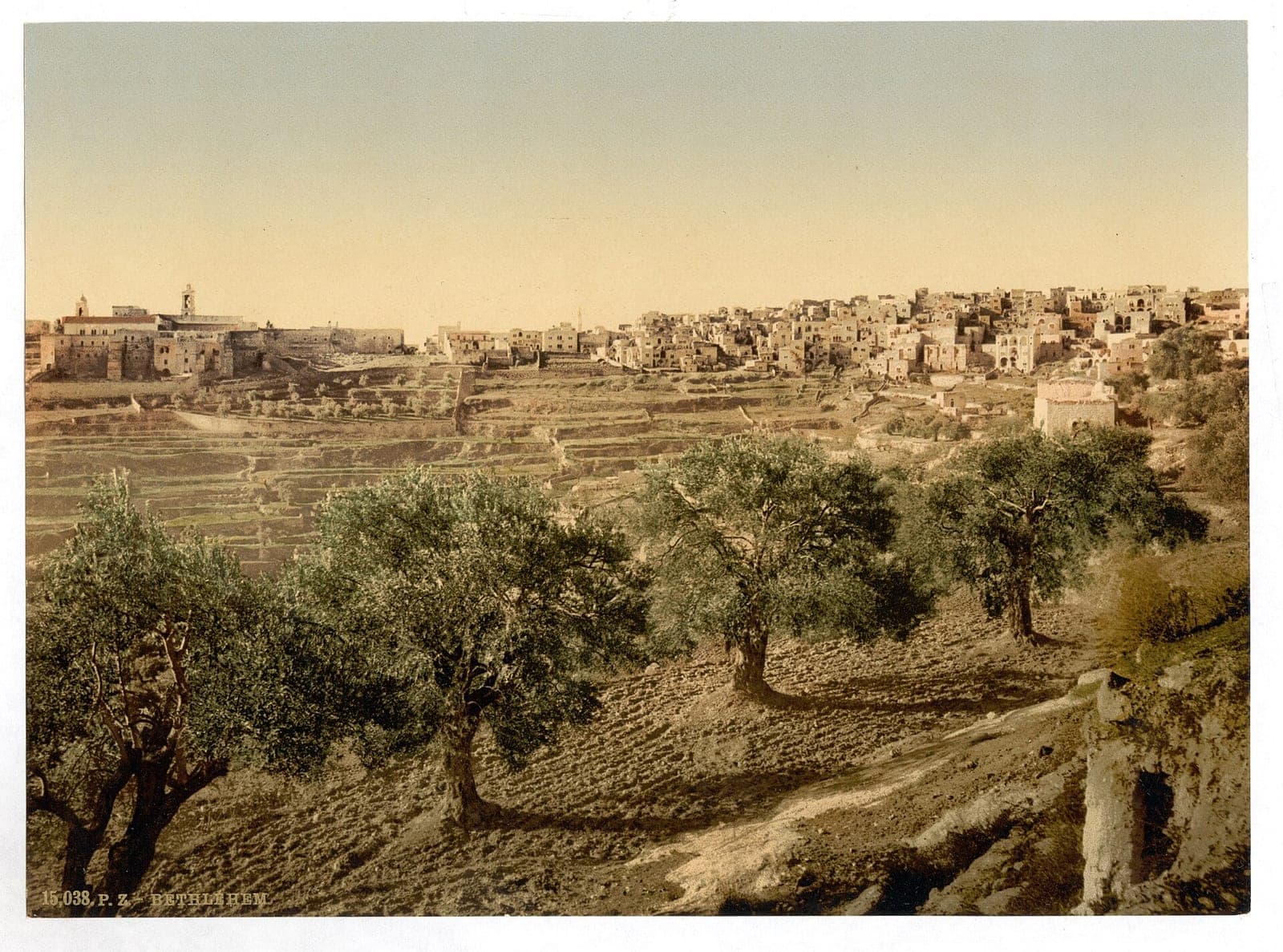
Photo: Photochrom print, Library of Congress Prints and Photographs Division (LCCN 2002724966). License: Public domain in the United States; Library of Congress states no known restrictions on publication. Source. Location: Bethlehem, West Bank; print preserved by the Library of Congress. Resized for the web.
Explore the places of the Bible
See where biblical events happened, why each place matters, and what archaeology helps us understand.
Bethlehem
David's hometown, and the town where Jesus was born.
Get full access with one subscription
Explore the people and places of the Bible. Read summaries of every book, with images and clear explanations covering every chapter. Access all these features and our Bible study tools with one subscription.
See PlansAsk AI about John 21:20
Ask a question about this verse and get a clear answer, with Bible references you can read for yourself.
Every Bible book, explained chapter by chapter
Explore summaries of every book of the Bible, with images and easy-to-understand explanations covering every chapter.
Keep studying John 21:20
Related Bible verses
Key themes
Related topics
At a Glance — the Book of John
- Author
- John the apostle
- Written
- Around AD 85-95
- Genre
- Gospel
- Original Audience
- All believers
Frequently Asked Questions
Quick, clear answers about this verse
What does John 21:20 mean?
John 21:20 describes Peter noticing the disciple whom Jesus loved, traditionally understood to be John. This verse highlights the close relationship John had with Jesus, emphasizing themes of intimacy and loyalty among the disciples.
Who is the disciple mentioned in John 21:20?
The disciple mentioned in John 21:20 is commonly identified as John, the author of the Gospel. He is noted for his close relationship with Jesus, symbolized by leaning against Him during the Last Supper.
What is the significance of leaning on Jesus' chest in John 21:20?
Leaning on Jesus' chest signifies a deep intimacy and trust between the disciple and Jesus. It illustrates the close bond they shared, which is central to understanding the dynamics of their relationship.
What themes are present in John 21:20?
John 21:20 encompasses themes of discipleship, intimacy with Jesus, curiosity about others' paths, and the complexities of friendship and loyalty among the disciples.
Daily Verse — straight to your inbox
A verse and a 2-sentence plain-English explanation, every morning. Free. Unsubscribe anytime.