John 6:26
Jesus answered them, "Truly, truly, I say to you, you seek me not because you saw the miracles, but because you ate the loaves and were filled."
What John 6:26 means
Plain-English insight for readers
In John 6:26, Jesus tells the crowd that they are following him for the wrong reason. They came back hoping for another free meal, not because his miracles showed them who he is. He goes on to point them from bread that fills the stomach toward food that lasts.
The day before, Jesus fed about five thousand men with five loaves and two fish (John 6:1–13). That night he walked on the water to his disciples (John 6:16–21), and the crowd followed by boat to Capernaum. When they asked, "Rabbi, when did you get here?" Jesus skipped the question and named their motive. Readers are left wondering what seeking Jesus for the right reason looks like.
How to apply John 6:26 to your life
This verse encourages us to examine our own motivations for following Jesus. Are we seeking Him for our physical needs or for a deeper relationship? We should strive to pursue spiritual growth and understanding, recognizing that true satisfaction comes from knowing Him personally.
In the King James Version
Jesus answered them and said, Verily, verily, I say unto you, Ye seek me, not because ye saw the miracles, but because ye did eat of the loaves, and were filled.
Ask about this verse
Ask anything about John 6:26 and get a clear answer from Scripture.
Have a question about this verse? Explore it with ClearBible.
Premium answers your questions about any verse from Scripture itself, shows the verses it rests on, and opens Clear on every passage. You also get all 66 book summaries.
7 days free, then $99/year. Card required. Cancel anytime.
Learn the Bible through its people and places
Get to know the people in Scripture through illustrated stories, and explore the places where they lived and traveled.
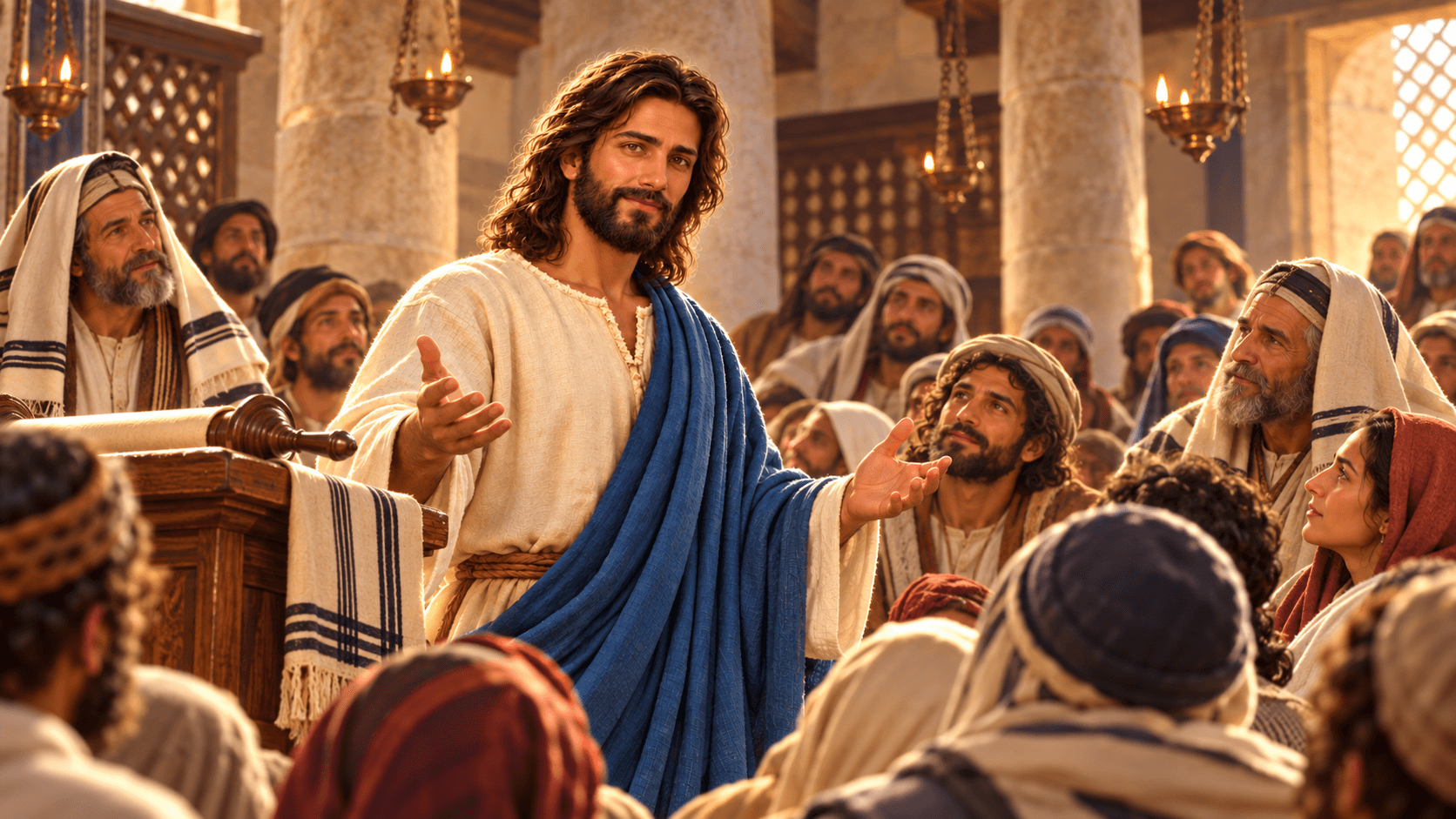
Illustrated scene from Jesus's story: The Bread of Life (John 6:22–71)
Meet the people of the Bible
Follow their lives in order, with illustrated scenes and Bible passages that tell their stories.
 Jesus
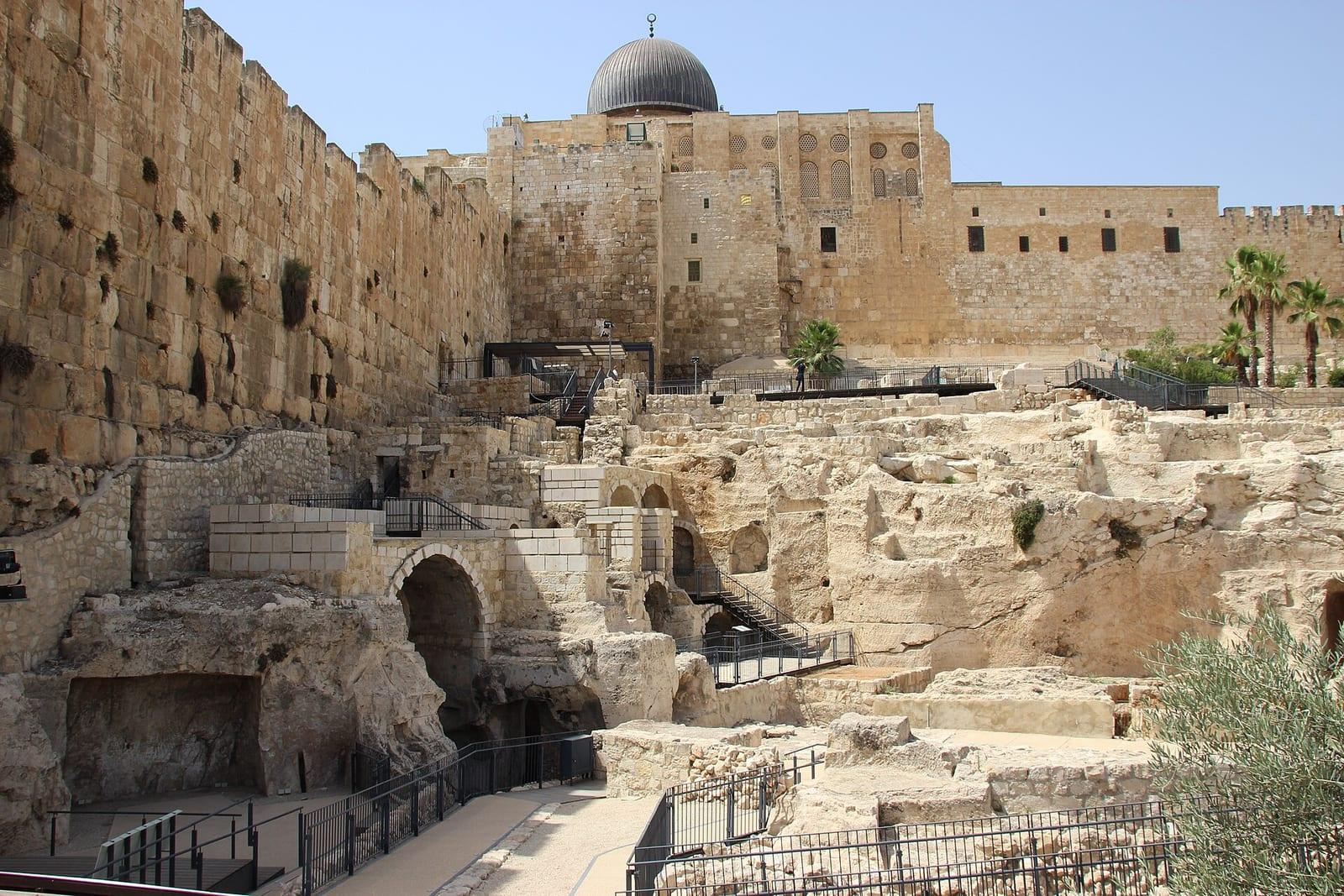
Photo: Gary Todd (Gary Lee Todd, Ph.D.), via Wikimedia Commons. License: CC0 1.0 Universal Public Domain Dedication. Source. Location: Southern end of the Temple Mount, Jerusalem Old City. Resized for the web.
Explore the places of the Bible
See where biblical events happened, why each place matters, and what archaeology helps us understand.
Jerusalem
David's capital, the city of the temple, and the place where Jesus died and rose again.
Every Bible book, explained chapter by chapter
Explore summaries of every book of the Bible, with images and easy-to-understand explanations covering every chapter.
Keep studying John 6:26
Related Bible verses
Key themes
Related topics
At a Glance — the Book of John
- Author
- John the apostle
- Written
- Around AD 85-95
- Genre
- Gospel
- Original Audience
- All believers
Frequently Asked Questions
Quick, clear answers about this verse
What does John 6:26 mean?
Jesus exposes why the crowd chased him across the sea: they wanted their stomachs filled again. They had seen his miracles but missed what those miracles revealed about him.
What does "verily, verily" mean in John 6:26?
The KJV says "Verily, verily," an old English way of saying that what follows is true. Modern translations use plainer wording with the same meaning. Jesus often uses this doubled phrase in John's Gospel to mark a solemn statement.
What miracle is Jesus talking about in John 6:26?
He is referring to the feeding of the crowd the day before, when he fed about five thousand men with five loaves and two fish (John 6:1–13). John's Gospel treats such miracles as signs that point to who Jesus is (John 20:30–31).
What does Jesus say after John 6:26?
In John 6:27 he tells the crowd not to work for food that perishes but for food that endures to everlasting life, which the Son of Man will give. Later in the chapter he calls himself the bread of life (John 6:35).
Daily Verse — straight to your inbox
A verse and a 2-sentence plain-English explanation, every morning. Free. Unsubscribe anytime.